
การคัดเลือกโดย Seedsun
Baptisia 'Grape Taffy' (FALSE INDIGO)
ขอใบเสนอราคาที่ปรับแต่งให้เหมาะสมกับความต้องการของคุณ

รหัสสินค้า: XANT-SIMP-01G
John Bartram collected Xanthorhiza simplicissima from the Carolina mountains sometime before 1776 and brought the plant back to his famous Philadelphia garden, which tells you two things: that yellowroot has been in cultivation for as long as this country has existed, and that people who know.
ราคา ขนาดบรรจุภัณฑ์ และความพร้อมจำหน่ายจะได้รับการยืนยันในใบเสนอราคาส่วนบุคคลของคุณ การส่งคำสอบถามไม่ได้หมายถึงการสั่งซื้อและชำระเงินเรียบร้อยแล้ว
John Bartram collected Xanthorhiza simplicissima from the Carolina mountains sometime before 1776 and brought the plant back to his famous Philadelphia garden, which tells you two things: that yellowroot has been in cultivation for as long as this country has existed, and that people who know plants have always recognized something worth paying attention to here. The Cherokee had known the plant far longer, using the roots, sliced open to reveal a vivid, almost electric chrome yellow, as a dye, a bitter tonic, and a medicine for ailments from mouth sores to stomach complaints. The active compound is berberine, the same antimicrobial alkaloid found in goldenseal, and the roots produce berberine in striking quantity. Xanthorhiza is Greek for yellow root, and the name is no metaphor.
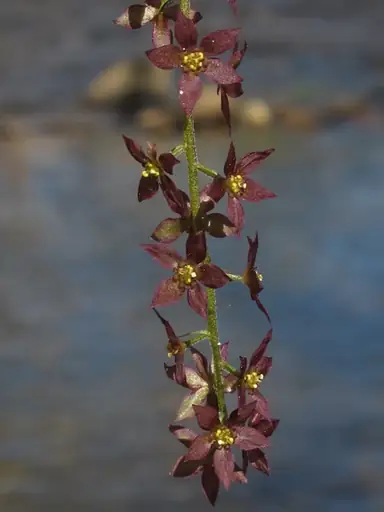
Yellowroot is a great deal more than a first glance suggests. Technically a shrub, and the only genus in a small family within the Ranunculaceae, the buttercup clan, the plant surprises anyone who meets those parsley-like compound leaves for the first time. In early spring, before the foliage fully extends, drooping panicles of tiny purplish-brown flowers with yellow centers appear, not showy from a distance but worth crouching down for. The summer character is the foliage: bright, finely textured, fern-like in effect, forming a dense low canopy that suppresses weeds and holds composure through the heat. Then autumn arrives, and the leaves move through a full spectrum of maroon, scarlet, orange, and gold, a fall display that looks borrowed from a much showier plant.
The plant spreads steadily by underground rhizome, tolerates shade that defeats most flowering shrubs, handles wet soils, and, once established, reasonable drought. Four centuries of cultivation, a Bartram connection, a living ethnobotanical record, and fall color worth photographing. The argument makes itself.
Photos courtesy of Julie Makin and Alan Cressler.
ขอใบเสนอราคาที่ปรับแต่งให้เหมาะสมกับความต้องการของคุณ

ขอใบเสนอราคาที่ปรับแต่งให้เหมาะสมกับความต้องการของคุณ

ขอใบเสนอราคาที่ปรับแต่งให้เหมาะสมกับความต้องการของคุณ

ขอใบเสนอราคาที่ปรับแต่งให้เหมาะสมกับความต้องการของคุณ
คำถามและการอภิปราย