
How to Plant and Grow Beefsteak Tomatoes
There is nothing like a big slab of juicy, tasty, meaty… tomato? That’s right, beefsteak tomato plants grow hefty fruits with pink, red, or orange flesh that taste great fresh, and fit perfectly on burgers or sandwiches. While growing beefsteak tomatoes is similar to growing other types, there are.
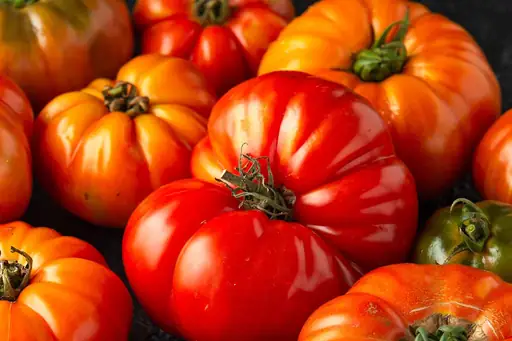
There is nothing like a big slab of juicy, tasty, meaty… tomato? That’s right, beefsteak tomato plants grow hefty fruits with pink, red, or orange flesh that taste great fresh, and fit perfectly on burgers or sandwiches.
While growing beefsteak tomatoes is similar to growing other types, there are a few things you need to know to be successful in cultivating the big, often ribbed version of America’s favorite vegetable.
The plants can produce fruits weighing several pounds, and they are primarily indeterminate in their growth habit. Among other things, they are late-maturing, large, and demand plenty of water.
This article will cover all that and more!
Here’s what we’ll talk about:
What You’ll Learn
Quick Look
Propagation
How to Grow
Cultivars to Select
Maintenance
Pests and Disease
Harvesting
Tomatoes originated in the South American Andes and were brought to the rest of the world by the Spanish.
The beefsteak type – the bulky size of which exists thanks to mutation causing the normally small fruits to balloon – was one of several types to quickly gain favor among eager eaters. Often sporting pumpkin-like ribs, they are easily recognized.
Quick Look
Common name(s): Beefsteak tomatoes
Plant type: Annual vegetable
Hardiness (USDA Zone): 2-11
Season: Summer
Exposure: Full sun
Soil type: Organically rich, well draining
Soil pH: 6.0-7.0, slightly acidic to neutral
Time to maturity: 75-85 days
Spacing: 24-36 inches
Planting depth: 1/2 inch (seeds), up to second leaf node (transplants)
Mature size: 36-48 inches wide x 48-60 inches high
Water Needs: High
Taxonomy
Order: Solanales
Family: Solanaceae
Genus: Solanum
Species: Lycopersicum
Cultivars: Various
Rich in vitamins A and C, and packing classic mouth-watering tangy or sweet flavors, depending on the variety, it’s no wonder they became garden and table favorites!
Beefsteak types make up only one percent of total commercial production. Their generous weight – with some managing to reach four pounds per fruit! – makes them difficult to pack and ship. But they are perfect for home growers!
“Beefsteak tomato” is regarded by growers as its own type, and many hybrid and heirloom cultivars are available, giving you a range of color, taste, and size choices.
Seeds from open-pollinated heirlooms can be saved to plant the following year and these will be true to type.
Hybrids are the result of intentional breeding between two plants with desirable traits, but if you plant unstable hybrids, these seeds will not produce plants and fruit with the same qualities as the one you took them from.
Propagation
These big guys can take a long time to reach maturity, up to 85 days, so start seeds six weeks before the average last frost date in your area.
Plant seeds half an inch deep in a moistened peat-based growing medium, cover with plastic or a humidity dome to retain moisture, and keep in a warm area that’s about 70 to 75°F.
Place in a bright area once the seeds have germinated, and check the moisture of the medium often, watering as needed.
Learn more about starting tomatoes from seed here.
Transplanting
Transplant seedlings at about one and a half inches (four centimeters) high, and after the threat of frost has passed in your area.
Choose a cloudy day or transplant later in the day so the plants don’t wilt, and space plants at least two to three feet apart.
Here’s how:
- Dig a hole two times as wide and deep as the pot.
- If the plant is leggy, remove the lower leaves and plant up to the top two leaf nodes deep. The stem that gets covered in dirt will sprout roots, helping to anchor the large plant later.
- Water it in well.
How to Grow Beefsteak Tomatoes
Warmth, direct sun, and plenty of water – keep these three things in mind and you will be well on your way to growing beefsteaks.
Oh, and the number of days to harvest for these big boys can require a patience-testing 75 to 85 days, so start them early, as discussed above.
Light
Beefsteak tomatoes demand full sun—at least six hours a day, though more is better. Sunlight fuels flowering and fruit production, so the more direct rays, the more tomatoes you’ll get.
Avoid areas with even partial shade unless you’re growing in extremely hot regions, where a bit of afternoon protection might prevent fruit scald.
Soil
Plant in well-draining soil that’s high in organic matter. You can amend your garden soil to increase the organic matter content by spreading a two- to three-inch-thick layer of compost, leaves, or rotted hay over the bed and working it into the top four to six inches of soil.
Growing tomatoes in compacted clay can provide additional challenges. You can find suggestions for doing this in our article.
Temperature and Humidity
Warm days and mild nights make for the happiest beefsteak plants. These tomatoes won’t set fruit if daytime temps dip below 70°F or soar above 90°F for long stretches. Nighttime temps should stay above 55°F.
Humidity should be moderate; too much can encourage disease, while too little may cause blossom drop.
Use mulch to regulate soil temperature and moisture.
Water
These plants need regular watering, about one to two inches per week split between two waterings. Water deep, and don’t let the plant wilt.
Use drip or soaker irrigation if possible, since keeping the leaves dry will help to mitigate disease pressure. If you’re using a hose or sprinkler, water early in the day so the leaves have a chance to dry out before the evening.
Sufficient water will prevent blossom end rot, which we will discuss more below. An even supply of water prevents skin cracking.
Fertilizer
Espoma Organic Tomato-Tone
Providing too much nitrogen before fruit set means the plant will grow very large but won’t produce much fruit.
Though the overall size of each individual fruit can be quite significant, it’s important to understand that growing such a large energy sink, such as a two-pound tomato, means the plant won’t be producing many fruits per season like cherry tomato plants do.
If you have the space, plan to grow multiple beefsteak plants if you want a bigger harvest.
Container Growing
While these plants are best grown in-ground due to their size, you can grow beefsteaks in containers—just go big.
Use a container that holds at least 10 gallons and supports strong root growth. Choose a lightweight, moisture-retentive potting mix, and provide a sturdy trellis or cage.
Be prepared to water and feed more frequently than in-ground plants.
Beefsteak Cultivars to Select
There are quite a few cultivars available, each with its own delectable features. Here are a few that stand out for you to choose from.
Many stores and nurseries that sell plants will also carry young beefsteak seedlings in the spring, so check them out as well if you don’t want to start your own seeds.
Big Rainbow
Sure, think tomato and you see red. But why not change things up with an heirloom that has marbled yellow and red skin and flesh?
Described as tasting mild and sweet, ‘Big Rainbow’ fruits average a massive 22 ounces – that’s over a pound each!
‘Big Rainbow’
These plants take 85 days to reach maturity. Find packs of 30 or 100 seeds at .
Cherokee Purple
This heirloom variety is a pretty, deep, almost purple red, and it is flavorful to boot! These take 85 days to reach maturity, and you can read more about growing this heirloom cultivar here.
‘Cherokee Purple’
Seeds are available in packages of 50 or 100 from , as well as live plants that ship in season.
Pineapple
Described as having a fruity, fresh taste, these yellow-orange fruits sport few seeds and dense, crisp flesh. They do take 90 days to reach maturity, so be sure to order and start these seeds early.
‘Pineapple’
‘Pineapple’ seeds are available at in packs of 30.
Read our growing guide here.
Porterhouse Hybrid
Juicy, meaty, and solid are good descriptors for this big red boy, with fruits tipping the scales at two to four pounds!
‘Porterhouse’
They might take 80 days to reach maturity, but harvesting this amount of tomato as a result is worth the wait!
‘Porterhouse’ is available at in either a 40 pack of seeds or as live plants.
Steak Sandwich Hybrid
Firm, rich, sweet fruits on vigorous, bountiful plants are what you’ll get if you select ‘Steak Sandwich.’
According to , these are the most delicious and perfect slicing tomatoes ever, and they only take 70 days to reach maturity.
‘Steak Sandwich’
You’ll find this cultivar available in 50-seed packets from .
Super Beefsteak
These prolific plants produce large fruits that are thick, smooth, and delectable, and they come in the classic tomato red.
‘Super Beefsteak’
‘Super Beefsteak’ takes 80 days to reach maturity.
You can find seeds at in packs of 175.
Maintenance
These plants will need staking or caging, and sometimes even the portly fruits need supporting.
Stake soon after transplanting so you won’t damage the roots while trying to stake later, and tie up the plant as it grows. Since most types of beefsteaks are indeterminate, growth will continue throughout the season.
Mulch around each plant to maintain moisture, increase fertility, and suppress weeds.
You can use compost, leaves, or rotted hay like you used to increase the amount of organic matter in the soil at planting time.
Pests and Disease
Birds can’t resist the ripening fruit any more than we can, so they will sometimes come and peck holes into the flesh.
Squirrels like them too, often taking a bite or two and ditching them for the next tasty morsel in your garden. Use plastic owls, moving them frequently, or bird netting to protect your fruits as they begin to ripen.
Flea beetles and whiteflies can both plague tomatoes. Read our articles on each for in-depth information on how to deal with these two pests!
Tomato hornworms can be a nuisance as well, chewing through your foliage. Handpick these large caterpillars and destroy them, unless you see white bulges protruding from their backs.
These white projections are the larvae of your garden friend, a beneficial parasitic wasp.
Catfacing, a deformity potentially caused by several factors including high nitrogen and abnormal temperatures, can quickly uglify your big beefsteaks.
Luckily, any fruit that’s affected is still edible, and we have an article for you to read on how to prevent catfacing here.
Tomatoes are also susceptible to blossom end rot, which is exactly what it sounds like, in terms of the symptoms that you’ll see.
This is a physiological disorder caused by low calcium concentrations in the fruit, and it is not caused initially by any type of infectious pathogen. Of course, once compromised, opportunistic fungi will move in, just as they will with catfacing.
We’ve got an entire article on how to deal with blossom end rot for you here.
Other common diseases include anthracnose, early blight (Alternaria), late blight (Phytophthora), and Septoria leaf spot.
Need help managing these? You guessed it, we have a handy guide to tomato diseases for you as well, which includes these very problems and how to deal with them!
Harvesting
You can pick beefsteaks as soon as the fruits begin to show some color, and they will keep ripening on your counter at room temperature. But they taste best if you let them ripen fully on the plant.
Store harvested fruits at room temperature for two to three days in indirect sunlight before eating them if you picked them early, or in the fridge if you don’t want them to ripen further.
Take advantage of their perfect hamburger-bun size and slice them to eat fresh!
They are tasty, juicy, and ideal for stacking with so many other delicious ingredients, whether you enjoy them on burgers or sandwiches, or with other fresh vegetables in a vibrant salad.
Enjoy the Homegrown Red Meat
I must admit, my mouth was watering for a BLT with thick slices of vine-ripened, juicy tomato the whole time I was writing this.
I imagine a glimpse of a beefsteak – big, bright, and luscious – might even make people who don’t like tomatoes drool a little. What do you think?
Let us know in the comments below if you grow beefsteaks and share how you like to use them!
While you’re here, stay a while and explore Gardener’s Path for guides to growing other types of tomatoes, starting with these:
- How to Grow and Care for Tomatoes in Your Garden
- Tips for Growing Roma Tomatoes
- How to Plant and Grow Brandywine Tomatoes
- How to Grow Tomatoes in Containers
- Facebook232
- X




Sorular ve tartışma