
How to grow zucchini
Seed to Harvest Growing Guide How to grow zucchini A practical guide to warm-soil sowing, compact bush care, pollination, pest diagnosis, and frequent harvests of tender young fruit. Plant after frostSupport pollinatorsPick every 1–2 days Shop zucchini seed →Start the guide ↓ Crop family:.
Seed to Harvest Growing Guide
How to grow zucchini
A practical guide to warm-soil sowing, compact bush care, pollination, pest diagnosis, and frequent harvests of tender young fruit.
Plant after frostSupport pollinatorsPick every 1–2 days Shop zucchini seed →Start the guide ↓ Crop family: Cucurbitaceae SeasonWarm weatherFrost-tender annualSow depth1 inchWarm soilLightFull sun8 or more hoursSpacing2–3 feetMost are bush typesFirst harvest45–60 daysThen pick repeatedlyBefore you begin
Plan for fast growth and frequent picking.
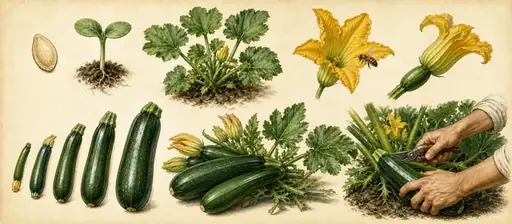
Zucchini is a tender summer squash harvested while its skin and seeds are still soft. Healthy plants can produce faster than expected, so easy access and consistent harvests matter.
Best first decisionChoose fruit shape, color, disease tolerance, and plant habit, then reserve enough room to reach every side of the plant.Build your zucchini-growing plan
Plan warm planting, vine space, seed quantity, and repeat harvests.
One planting can yield heavily; a later summer-zucchini sowing can extend production after early plants decline.
When to plant zucchiniFind your local planting windowConnect last frost, warm soil, and enough frost-free days for the chosen type.Check zucchini timing →Lay out the zucchini bedReserve sun and vine spaceAllow access for picking without shading smaller crops.Plan the zucchini bed →How much zucchini seedCalculate the seed you needEstimate hills and plants from bush or vining spread.Calculate zucchini seed →Extend summer-zucchini harvestsPlan a later sowingSchedule a second small planting where the frost-free season is long enough.Plan zucchini successions →Zucchini at a glance
The path from seed to harvest
Select any milestone to jump directly to its full instructions.
01PlanAfter frost02SowWarm soil03Thin2–3 leaves04PollinateFirst flowers05ProtectScout weekly06Harvest45–60 daysStage 1–3
Sow after frost and give vines room
Warm soil and intact roots let zucchini establish quickly enough to outrun pests and mature before fall.
01Prepare the patch
Choose fertile, well-drained soil in full sun. Work compost into the bed and install drip irrigation before vines cover the ground.
- Allow 3–5 feet between typical plants.
- Give giant or long-vined types more room.
- Avoid low areas that stay wet.
Sow or transplant
Direct sow 1 inch deep after frost when soil is at least 70°F, placing 2–3 seeds per hill. In short seasons, start indoors 2–3 weeks early in individual pots.
Protect the rootsHarden seedlings carefully and transplant before they become root-bound. 03Thin and guide vines
Keep the strongest plant per station, mulch after soil warms, and guide runners toward open ground while they are flexible.
- Cut extras instead of pulling them.
- Protect seedlings from cucumber beetles.
- Keep weeds controlled before runners spread.
Stage 4
Support flowers, fruit set, and steady growth
Deep water, healthy leaves, and active pollinators help a large vine finish mature fruit.
WWater deeply
Supply 1–2 inches weekly at soil level, keeping moisture even during flowering and fruit enlargement.
PProtect pollinators
Male flowers appear first; avoid insecticides during bloom and hand-pollinate early in the morning if fruit set is poor.
FFeed moderately
Follow a soil test. Excess nitrogen grows leaves at the expense of flowers and delays ripening.
RRaise fruit
Slide straw, a board, or a tile under enlarging zucchini to reduce soil contact and improve air movement.
Growth checkpoints
Know what to watch for.
Flower sequence, fruit set, rind development, and stem color reveal the crop’s progress.
Early growthVigorous runners
Leaves expand without beetle damage or sudden wilting.
First bloomMale flowers first
Female flowers with a tiny fruit at the base follow as vines mature.
After pollinationFruit enlarges
The flower closes while the young zucchini remains green and steadily swells.
Late seasonHard rind and corky stem
Fruit reaches full color and the rind resists a thumbnail.
Stage 5
Diagnose zucchini problems early
Open a symptom to compare what you see, likely causes, and the next practical check.
PestZucchini bugsBronze egg clusters, stippling, and wilting leavesInspect leaf undersides, crush egg masses, handpick adults and nymphs, remove hiding places, and clean up vines after harvest.
PestZucchini vine borerSudden runner wilt and sawdust-like frassCheck the crown, remove larvae carefully where practical, mound soil over undamaged nodes to encourage rooting, and rotate the patch next season.
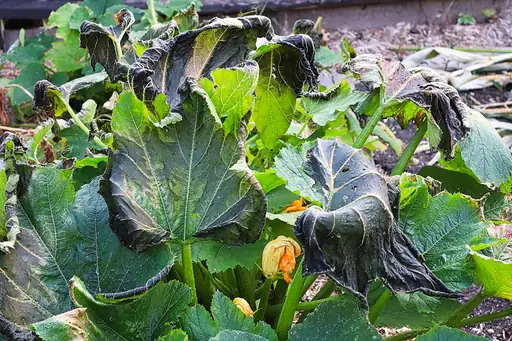
DiseasePowdery mildewWhite powdery patches on mature leavesImprove spacing, water at soil level, choose resistant varieties, and protect healthy foliage with a labeled treatment before disease becomes severe.
Fruit setPoor pollinationTiny fruit yellows and rots after the flower closesEncourage bees, avoid spraying during bloom, and hand-pollinate in the morning by transferring fresh pollen from a male flower to a female flower.
Stage 6
Cut zucchini while glossy and tender
Fruit can grow from ideal size to oversized in only a few days during warm weather.
- Check daily: Harvest standard zucchini around 6–8 inches, or follow the cue for round and specialty types.
- Cut cleanly: Use a knife or pruners and leave a short stem; do not twist and damage the plant.
- Cool promptly: Refrigerate unwashed fruit in a loose bag and use within about a week.
Choose with purpose
Match zucchini type to harvest and space
Compare a classic heirloom, a productive hybrid, and a round specialty type.
Classic heirloomBlack BeautyCompact, high-yielding plants with glossy dark-green fruit best at 6–8 inches.Shop Black Beauty →Productive hybridBlack Coral F1Open bush plants produce glossy dark fruit with useful mildew tolerance.Shop Black Coral →Round organic heirloomRonde de Nice OrganicTender pale-green globes ideal for stuffing, roasting, and smaller gardens.Shop Ronde de Nice →Questions gardeners ask
Zucchini growing FAQ
Quick answers for planting, spacing, pollination, harvest, curing, and storage.
When should zucchini be planted?Plant after frost when soil is warm, generally at least 65–70°F. Winter types also need enough remaining frost-free days to mature.
How deep should zucchini seed be planted?Sow about 1 inch deep, keeping soil evenly moist until emergence.
How far apart should zucchini plants be?Compact bush plants often need 2–3 feet; vining winter types commonly need 3–5 feet or more. Follow the packet.
Can zucchini be started indoors?Yes. Start 2–3 weeks before transplanting in individual pots and set out after frost without disturbing roots.
Why are there flowers but no fruit?Male flowers usually appear first. Later failure may indicate poor pollination, heat, drought, or excess nitrogen.
How do I hand-pollinate zucchini?In the morning, transfer pollen from a newly opened male flower to the central stigma of a newly opened female flower.
How often should zucchini be watered?Provide roughly 1–2 inches weekly, adjusted for heat and soil, watering deeply at the base.
Can zucchini grow in containers?Compact bush summer or winter varieties can. Use a very large container, rich mix, full sun, and steady moisture.
When should summer zucchini be harvested?Pick zucchini around 6–8 inches and scallop or crookneck types while the skin is glossy and easily pierced.
How can I tell when zucchini is ripe?Look for mature color, a hard rind that resists a thumbnail, and a dry corky stem.
Does all zucchini need curing?Most benefit from warm curing, but acorn types need little or no curing and can lose quality in prolonged heat. Check the variety.
How should zucchini be stored?Refrigerate unwashed summer zucchini for short storage. Keep cured zucchini in a cool, dry, ventilated place and inspect it regularly.
Ready to plant?
Choose zucchini for your garden.
Compare pie, carving, miniature, giant, ornamental, hulless-seed, organic, heirloom, and hybrid varieties.
Shop all zucchini seed →
Sorular ve tartışma