
Vegetable Seeds: Which to Sow Outdoors vs. Indoors?
You have your seed packets, you have your seed starting essentials, and you have a garden plan – sounds like you are ready to plant! But are you sure you know which seeds can go directly into your garden and which will do better if you start them indoors? When preparing to plant your veggie seeds,.
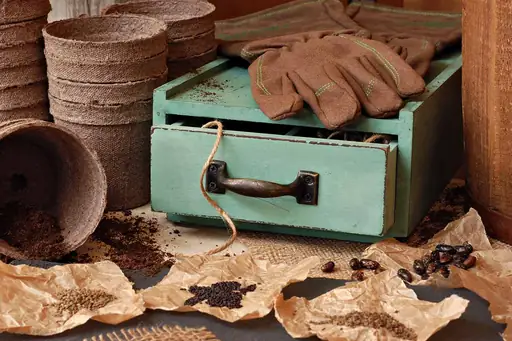
You have your seed packets, you have your seed starting essentials, and you have a garden plan – sounds like you are ready to plant!
But are you sure you know which seeds can go directly into your garden and which will do better if you start them indoors?
When preparing to plant your veggie seeds, there are some general guidelines to follow – some do better sown directly into your garden while others need the more protected conditions that starting indoors provides.
In this article you’ll learn not only which vegetables should usually be started indoors and which outdoors, but why, so that you can make an informed decision for any variety you decide to grow in the future.
And I’ll also mention some exceptions that may work well for your own garden.
Here’s an overview of what I’ll cover:
What You’ll Learn
Count Your Growing Days
Direct Sow Outdoors
Crops to Start Indoors
Quick Reference Guide
Count Your Growing Days
Before we get started, it will be very useful for you to have an idea of the length of your growing season.
That is, how many frost-free days you have on average between your last frost in spring and your first frost in fall.
I’d probably conclude that I didn’t have a green thumb and gardening just wasn’t for me!
Instead, I must humbly accept that my growing season is only about 130 days long, on average, lasting roughly from the beginning of June through the end of September.
I adapt my planting strategy to this number rather than crossing my fingers and hoping that, maybe, first frost will come late this year.
And you should know the length of your growing season, too.
If you aren’t familiar with the length of your growing season, this tool from the National Gardener’s Association can help you calculate this number.
Here’s how it works:
Just type in your zip code, wait for the next page to appear showing a chart of probabilities for average first and last frost dates, then scroll down and click the “Garden Planting Calendar” link for your location.
Then you’ll see the average number of days in your local growing season.
Now that you have calculated the number of frost-free days in your region, we’re ready to dig in to the particulars of our vegetable seed needs.
Direct Sow Outdoors
Even working with a measly 130 frost-free days, I generally like to direct sow as many of my crops as possible – and I encourage you to do so, too.
There is less work involved in this approach – no hardening off or transplanting, and no worrying about young seedlings being shocked by the change from indoor to outdoor living.
We don’t use the term “hothouse flower” to describe delicate individuals for nothing!
Luckily, there are many more types of edible annuals that can be directly sown compared to the number that must be started as transplants.
It is pretty easy to plant the bulk of your vegetable garden directly from seed – especially if you choose to grow a wide variety of different crops.
With the goal of direct sowing as many crops as possible in mind, let’s start by considering what we can easily start outdoors, right in the garden.
Cool Season Crops
Outdoor temperatures in spring tend to be on the cool side, which is just what we need for sowing most cool season crop seeds.
These seeds are generally planted several weeks before the last frost date.
Cool season crops are well adapted to chilly conditions and tend to grow best in spring and fall. And many, such as arugula seeds, actually germinate better in cold soil.
Cool weather crops that you should plan to direct-sow include:
- Arugula
- Batavia
- Beets
- Belgian endive
- Broccoli rabe
- Carrots
- Corn salad (lamb’s lettuce/mache)
- Daikon
- Fava beans
- Frisee
- Kale
- Kohlrabi
- Mizuna
- Mustard
- Orach
- Parsnips
- Peas
- Radicchio
- Radishes
- Rutabaga
- Spinach
- Turnips
- Watercress
While many cool season crops are fairly cold hardy, different plants have different levels of susceptibility to frost.
For an in-depth look at which plants are frost hardy and to what degree, check out our article on frost damage in vegetables.
And if you have hard freezes late in spring like I do, make sure to keep an eye on the weather report, and plant after any risk of dips back into the low temperatures.
There are some exceptions to the cool season rule.
Some cool season plants will bolt when exposed to light frosts, or days with temperatures below 50°F – bok choy and tatsoi, for instance.
These cool weather crops can be direct sown – or started indoors and transplanted out – after the first frost date for better results.
Short Season Tender Annuals
Other vegetables that do well with direct sowing are tender annuals that can fully mature during a short summer season – within 110 days or less.
These plants are not cold hardy, so they should be sown after all risk of frost has passed, and they will generally have plenty of time to reach maturity.
Short season tender annuals include most varieties of:
- Amaranth
- Beans (pole and bush)
- Cowpeas
- Cucumbers
- Summer squash
- Winter squash
- Watermelon and other types of melons
However, some varieties of cucumbers, melons, and squash are slower to mature. I’ll address those in just a bit.
Seedlings that Don’t Transplant Well
There are some veggies – both cool season and warm season crops – that should be direct sown because their seedlings aren’t typically very successful when transplanted.
Some have sensitive root systems, which are easily disturbed during transplanting – such as carrots and spinach, two cool season plants.
Others, like radicchio, tend to bolt when transplanted, so direct sowing remains the best planting method.
Here’s a list of veggies that are poor candidates for transplanting, and should always be direct sown:
- Beans (pole, bush)
- Beets
- Carrots
- Corn
- Radicchio
And then there is another group of veggies that only do moderately well with transplanting, so direct sowing is recommended where possible:
- Amaranth
- Cucumbers
- Fennel
- Melons
- Okra
- Peas
- Pumpkins
- Spinach
- Swiss chard
- Summer squash
- Winter squash
If you do need to transplant, you’ll have greater success if you use biodegradable pots for starting your seeds.
However, transplanting in biodegradable pots will only work if you live in a climate where the biodegradable pot will actually break down.
For those of us who are gardening in dry climates, the biodegradable pot won’t stay wet enough to break down properly, and this could eventually stunt the roots of the transplant.
An alternative that works even in dry climates is to grow these delicate-rooted veggies in compressed soil blocks.
According to Master Gardener Sandy Patry, in a 1993 edition of “Cognition: The Voice of Canadian Organic Growers,” published by McGill University’s Ecological Agriculture Projects, these blocks increase survival rates of seedlings dramatically by reducing damage to seedling roots during transplanting.
Ladbrooke Soil Blocker
Crops to Start Indoors
Unlike the freewheelers mentioned above, some types of vegetables perform better when started indoors.
And beyond the preferences of your seeds as to how they get their start, there are times when you may want to give your preferences priority, and start some of the above indoors anyway.
Long Season Tender Annuals
Generally, the vegetables that are sown indoors are the ones that are tender, require warmer germination conditions, and need additional time to reach maturity – long season tender annuals.
These seeds are started indoors, either in a warm and sunny southern facing window, under grow lights, or in a heated greenhouse, usually six to 10 weeks before the first frost.
Then they are transplanted out to the garden after all risk of frost has passed.
Depending on the variety, different plants can require varying amounts of time to grow from seed to maturity.
Some tomatoes can take 140 days to reach maturity, and some pepper varieties need 175 days.
Plus, many plants will produce harvestable crops over an extended period – so we don’t want to choose cultivars that won’t reach maturity until the day before our first frost.
We want to give them additional time to keep producing.
In most regions of the US, the growing season isn’t quite long enough to successfully bring these tender plants to maturity and allow them ample time for fruit production when sown directly into the ground.
So these plants, all of which happen to be nightshades, are best started indoors and then transplanted into the garden:
- Eggplant
- Ground cherries
- Hot peppers
- Sweet peppers
- Tomatoes
- Tomatillos
Although starting indoors is the general recommendation, you may want to experiment with direct sowing – particularly if you have a long growing season.
Have you ever had volunteer tomatoes come up in your garden soil, and even produce fruit?
Yep, me too – even in Zone 5. (However, these successful volunteers tend to be from short season varieties.)
If you want to experiment with sowing nightshade seeds directly, compare the days to maturity listed on your seed packet to the number of days in your local growing season, and make sure there is enough time available for the plant to bear fruit before the first frosts arrive.
As a general rule, start these indoors for a higher probabilities of success – and early harvests.
And don’t forget about germination temperature requirements.
Tomatoes require soil temperatures to be 70 to 90°F to germinate, so when experimenting, wait until your soil is nice and warm. For indoor seed starting, a heat mat can come in handy.
If you’re growing tomatoes from seed, you’ll find some great tips in our tomato seed starting guide.
Long Season Varieties
In addition to the tender annuals mentioned above, there is another group of veggies that often need to be started indoors.
These are the slower-growing varieties of various types of vegetables that are commonly short season plants.
This group includes some cultivars of:
- Gourds
- Leeks
- Loofah
- Watermelon and other types of melons
- Winter squash
Slow-growing varieties of these may not have enough time to come to maturity if sown outdoors in many USDA Hardiness Zones.
Always check the days to maturity for your seeds and compare this against the number of days in your local growing season.
If the days to maturity are beyond or very close to the number of days in your frost free season, start these indoors to give them a head start.
Slow-Growing Cool Season Crops
There are also some vegetables that almost never have time to reach maturity when started outdoors.
These crops are adapted to regions with cooler climates, which can make them difficult to grow in places with hot summers.
Starting them indoors well before the last frost date will allow them to enough time to become established and develop some resiliency before the heat of summer sets in.
These include:
- Artichokes
- Brussels sprouts
- Celeriac
- Celery
Brussels sprouts are an example of a cool-season crop usually started indoors in most regions because it is such a slow grower.
Since some varieties of brussels sprouts can take up to 200 days from transplanting to reach maturity, starting indoors is a requirement in most Zones.
For Short Growing Seasons
As I mentioned earlier, some of us have to make do with a limited growing season.
Even common “short season” tender annual crops may not grow to maturity within our average number of frost-free days.
For us short-season gardeners, we have to compare our local number of frost-free days against the total average number of days to maturity on seed packets.
This will make sure we’ll have enough time to pick a tasty harvest.
If any of our intended crops won’t have time to reach maturity, we should consider starting them indoors.
Be on the lookout for cultivars known for shorter numbers of days to maturity as well.
Tender annual crops that commonly need to be started indoors by gardeners with shorter growing seasons include gourds, melons, and winter squash.
For Earlier Harvests
Even if your selected variety of a certain type of plant has time to reach maturity, you may want an earlier harvest.
Starting seeds indoors is one way to get those early veggie crops.
You can start most any veggie indoors – except those that really don’t like transplanting – for an earlier harvest.
My father-in-law plants his garden this way every year. He buys summer squash transplants, but when he plants them in his garden, he also sows additional seeds.
This way he has a few early squash to harvest from his transplants, and then his seed-sown plants take over and out-produce the transplants.
It’s a beneficial tactic to fill the hunger gap.
Beyond hopes for early squash, you may also want to use transplants to produce earlier harvests if your spring weather tends to heat up quickly.
Stifling, hot weather will slow the growth of many crops. In warmer climates, starting plants in the winter and setting seedlings out early can help you to beat the worst of the heat.
Plants That Prefer Transplanting
There are also some crops that do better when transplanted vs. direct-sown, such as broccoli, cauliflower, and Romanesco.
These crops are finicky about their growing conditions, and tend to be more productive when transplanted out to the garden as seedlings.
You can learn more about growing cauliflower and broccoli in our complete guides.
Quick Reference Guide
| Cool Season Crops | Warm Season Crops |
|---|---|
| Sow Outdoors Before Last Frost | Sow Outdoors After Last Frost |
| Arugula, batavia, beets, Belgian endive, broccoli raab*, bunching onions*, carrots, collards*, corn salad, daikon, fava beans, fennel (bulb)*, frisee*, kale*, kohlrabi, leeks*, lettuce*, mizuna, mustard, orach, parsnips, peas, radicchio, radishes, rutabagas, shallots*, spinach*, Swiss chard*, turnips, watercress | Amaranth, beans (bush, pole), bitter melon*, corn, cucumbers*, edamame, gourds*, loofah*, melons*, okra, pumpkins*, summer squash*, watermelons*, winter squash* |
| Start Indoors | Start Indoors |
| Artichoke, bok choy (pak choi)**, broccoli**, brussels sprouts**, cabbage,** cauliflower, celeriac, celery**, Chinese cabbage**, onions (bulb)**, romanesco, tatsoi** | Eggplant, ground cherries**, hot peppers, malabar spinach**, New Zealand spinach**, sweet peppers, tomatoes, tomatillos |
* can be started indoors if preferred, or if season is short
** can be direct sown outdoors in some cases
Sow Much Produce
Now that you have some general guidelines to determine which veggies to sow directly in the garden and which should be started indoors, you should be ready to divvy up your seed packets into two separate piles.
But before you get busy with your indoor seed sowing, why not brush up on your skills with our guide to starting annual seeds indoors?
If you calculated the length of your local growing season, did you discover any surprises about seeds you should really be starting indoors? Let me know in the comments section below!
And if you’re getting ready to start a vegetable garden, these articles will come in handy:
- 13 of the Best Grow Lights for Indoor Plants and Seedlings
- 9 Fast-Growing Vegetables and Herbs to Pep Up Your Pantry Menu
- What Is a Survival Garden? Tips to Grow Your Own
- Facebook268
- X
Sorular ve tartışma