

Bu sayfa orijinal dilinde gösterilmektedir. Çevirisi henüz mevcut değil.
Seedsun seçimi
Dyschoriste oblongifolia
Ürün Kodu: DYSC-OBLO-01Q
Oblongleaf twinflower, Dyschoriste oblongifolia, is a low, spreading wildflower of the American Southeast, a member of the acanthus family that carpets the dry pine flatwoods, sandhills, and open savannas of Florida and neighboring states. The common name comes from the habit of carrying the small,.
Size özel fiyat teklifi isteyin.
Fiyatlandırma, paket boyutları ve stok durumu kişisel teklifinizde teyit edilecektir. Sorgulama göndermek ücretli sipariş anlamına gelmez.
Uygunluk, ekim ve yetiştirme gereksinimleri hakkında bilgi alın.
Teklifinizde teslimat seçeneklerini ve gerekli belgeleri teyit edin.
Bu çeşit hakkında
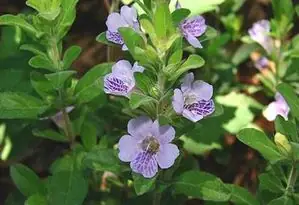
Oblongleaf twinflower, Dyschoriste oblongifolia, is a low, spreading wildflower of the American Southeast, a member of the acanthus family that carpets the dry pine flatwoods, sandhills, and open savannas of Florida and neighboring states. The common name comes from the habit of carrying the small, funnel-shaped flowers in pairs, twinned in the leaf axils along low stems, while the botanical epithet oblongifolia simply describes the neat, oblong leaves. An older regional name is snakeherb, a tag shared across the genus Dyschoriste.
From late spring into early winter the plant opens inch-wide blooms of soft blue to lavender-purple, each a five-lobed funnel veined in a deeper tone at the throat. Modest one at a time, they add up to a long, quiet season of color across the mat. For native-garden makers the real value runs deeper than looks: oblongleaf twinflower is a documented larval host for the common buckeye butterfly, and the flowers draw bees and a range of butterflies through the warm months, so a planting works as quietly for wildlife as for the eye.
Standing only six to eight inches tall and spreading slowly into a dense, low groundcover, the plant fills the ground layer where taller things would overwhelm. Set oblongleaf twinflower between stepping stones, along a path edge, at the front of a native bed, or as a tidy understory beneath pines and open-canopy shrubs. The slow, clumping spread stays where wanted rather than running, which makes the plant an easy neighbor in mixed native plantings and a natural fit for water-wise, low-input gardens.
True to the dry, sunny flatwoods of the plant's origin, oblongleaf twinflower wants full sun to light shade and sharp, sandy drainage, and shrugs off heat and short droughts once the roots take hold. Hardy through roughly USDA zones 7 to 10 and semi-evergreen in the warmer end of that range, the plant returns dependably year after year. grew this stock from wild Florida material, so gardeners in the Southeast get a genuinely local native, at home in the very soils and seasons the species evolved to meet.
Keşfedilecek daha çok şey var.



Sorular ve tartışma