

Bu sayfa orijinal dilinde gösterilmektedir. Çevirisi henüz mevcut değil.
Seedsun seçimi
Franklinia altamaha
Ürün Kodu: FRAN-ALAT-01G
Few plants carry a story like the Franklin tree. Collected from the banks of the Altamaha River in Georgia by John and William Bartram in the 1760s and named by them for their friend Benjamin Franklin, Franklinia alatamaha was last seen growing wild around 1803 and has never been found in nature.
Size özel fiyat teklifi isteyin.
Fiyatlandırma, paket boyutları ve stok durumu kişisel teklifinizde teyit edilecektir. Sorgulama göndermek ücretli sipariş anlamına gelmez.
Uygunluk, ekim ve yetiştirme gereksinimleri hakkında bilgi alın.
Teklifinizde teslimat seçeneklerini ve gerekli belgeleri teyit edin.
Bu çeşit hakkında
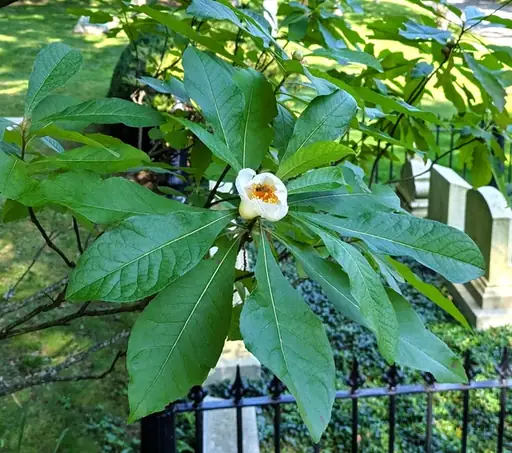
Few plants carry a story like the Franklin tree. Collected from the banks of the Altamaha River in Georgia by John and William Bartram in the 1760s and named by them for their friend Benjamin Franklin, Franklinia alatamaha was last seen growing wild around 1803 and has never been found in nature since. Every Franklinia alive today, in every garden and arboretum on earth, descends from the seed the Bartrams carried home to Philadelphia. To grow one is to hold a living piece of that lineage.
The tree earns a place on its own merits, history aside. In late summer and into fall, white, camellia-like flowers with a central boss of golden stamens open in succession, sweetly fragrant and three inches across, often while the foliage is already turning a deep, burnished crimson. Flower and fire together is a generosity few plants manage, and the show arrives in a season when most trees have long finished.
Franklinia belongs to the tea family, Theaceae, kin to the camellias and stewartias, and shares their taste for cool, acid, perfectly drained ground. The tree can be temperamental, resenting wet feet, heavy clay, and soil where cotton or other crops have left root-rot pathogens behind, so give a raised, humus-rich, freely draining bed, a little afternoon shade in the hottest climates, and the patience to let a slow plant settle.
We have grown Franklinia at for decades, and the growing never stops feeling like a privilege. Site the tree as a specimen where the late flowers and crimson fall color can be admired at close range, near a path, a patio, or a window framed for autumn, and pair with other acid-lovers such as camellias, azaleas, and stewartias. A rare and storied small tree for the collector willing to give it the drainage it demands.
Keşfedilecek daha çok şey var.



Sorular ve tartışma