

Bu sayfa orijinal dilinde gösterilmektedir. Çevirisi henüz mevcut değil.
Seedsun seçimi
Hibiscus dasycalyx
Ürün Kodu: HIBI-DASY-01G
Important: This plant is sold within South Carolina only. Hibiscus dasycalyx is one of the rarest wildflowers in the country, described only in 1968, and even then from a mere handful of sites in the bottomlands of east Texas, in Houston, Trinity, and Cherokee counties, along the Neches, Angelina,.
Size özel fiyat teklifi isteyin.
Fiyatlandırma, paket boyutları ve stok durumu kişisel teklifinizde teyit edilecektir. Sorgulama göndermek ücretli sipariş anlamına gelmez.
Uygunluk, ekim ve yetiştirme gereksinimleri hakkında bilgi alın.
Teklifinizde teslimat seçeneklerini ve gerekli belgeleri teyit edin.
Bu çeşit hakkında
Important: This plant is sold within South Carolina only.
Hibiscus dasycalyx is one of the rarest wildflowers in the country, described only in 1968, and even then from a mere handful of sites in the bottomlands of east Texas, in Houston, Trinity, and Cherokee counties, along the Neches, Angelina, and Trinity rivers. The total wild population has been estimated in the low thousands. Whole seasons of botanical fieldwork across the Southeast have turned up fewer plants than a single good nursery bed.
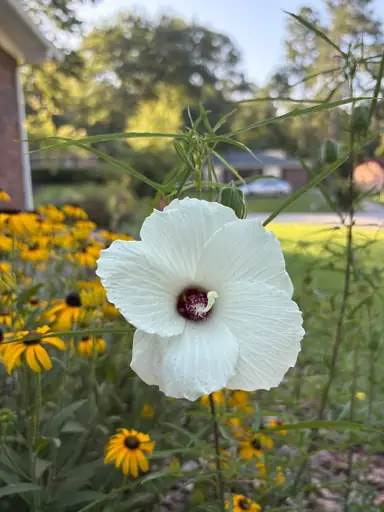
The Neches River rose mallow lives in a strange and specific habitat: seasonally flooded sloughs and oxbow margins, often threaded through the pimple-mound microtopography peculiar to east Texas bottomlands. The plants stand in spring floodwater for weeks, then ride out August on cracked clay. Multiple stems rise from a thick woody base to four or five feet, carrying the narrow, linear leaves that tell this species apart at a glance from the showier rose mallows. Saucer-sized flowers open one at a time from midsummer, ivory white with a deep maroon throat, the calyx behind them softly hairy, which is exactly what the name records: dasycalyx means hairy cup.
The threats are habitat loss, of course, but also something quieter and genetic. Hibiscus laevis is common, aggressive, and hybridizes freely wherever the two ranges touch, diluting the dasycalyx line within a few generations; some botanists consider this the more pressing danger. Federally listed as threatened in 2013, the Neches River rose mallow cannot cross state lines, so sales are restricted to South Carolina and in-person purchase only.
For all that rarity, the plant is easy and rewarding in cultivation. Give full sun and moist to wet soil, and treat the Neches River rose mallow as a bottomland native at heart, equally at home in a rain garden, at a pond margin, or in a regularly watered border. Growing a nursery plant keeps a threatened species alive and in circulation, and the narrow leaves and clean ivory flowers bring a quiet, unusual grace to a wet, sunny corner. Pair with other moisture-loving natives, and grow well away from other perennial hibiscus to keep the line pure.
Keşfedilecek daha çok şey var.



Sorular ve tartışma