

Bu sayfa orijinal dilinde gösterilmektedir. Çevirisi henüz mevcut değil.
Seedsun seçimi
Koelreuteria bipinnata
Ürün Kodu: KOEL-BIPI-01G
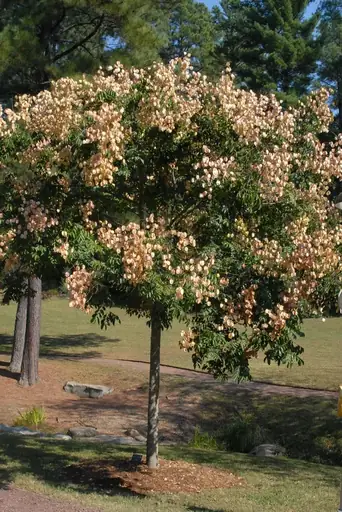
The Chinese flame tree is a fast-growing, upright ornamental of coarse, handsome structure, casting medium shade and broadening with age into a rounded crown of twenty to forty feet. A member of the soapberry family (Sapindaceae) native to southern China, Koelreuteria bipinnata carries large,.
Size özel fiyat teklifi isteyin.
Fiyatlandırma, paket boyutları ve stok durumu kişisel teklifinizde teyit edilecektir. Sorgulama göndermek ücretli sipariş anlamına gelmez.
Uygunluk, ekim ve yetiştirme gereksinimleri hakkında bilgi alın.
Teklifinizde teslimat seçeneklerini ve gerekli belgeleri teyit edin.
Bu çeşit hakkında
The Chinese flame tree is a fast-growing, upright ornamental of coarse, handsome structure, casting medium shade and broadening with age into a rounded crown of twenty to forty feet. A member of the soapberry family (Sapindaceae) native to southern China, Koelreuteria bipinnata carries large, twice-pinnate compound leaves that give the canopy a light, ferny texture through the growing season before turning soft yellow in fall.
The performance comes in two acts. In late summer, when most trees have finished, the branches raise broad panicles of small, bright yellow flowers, a welcome burst of color and a valuable late source of nectar for bees and butterflies. These are followed by the real showstopper: large clusters of papery, lantern-like seed pods that open pink, salmon, and rose before fading to bronze, and that second flush of color is the source of the common name, flame tree. The pods hang on well into fall, and often into winter.
Long grown across the American South yet still surprisingly little planted, the Chinese flame tree is tough where many ornamentals struggle, shrugging off heat, drought, urban pollution, and compacted soil once established. The papery pods do drop in quantity, so a lawn or bed setting suits the tree better than a spot over a patio or a drive. Give full sun and well-drained ground, and expect a moderate pace of a foot or two of growth each year.
In the garden, use this flame tree as a medium shade or specimen tree for a lawn, a wide border, or a street-side planting where the late flowers and glowing pods can be enjoyed against open sky. The airy foliage pairs well with lower shrubs and perennials that carry the earlier season, letting the tree take a turn in the quieter weeks of late summer and fall. Photos courtesy of Jim Robbins.
Keşfedilecek daha çok şey var.



Sorular ve tartışma