

Bu sayfa orijinal dilinde gösterilmektedir. Çevirisi henüz mevcut değil.
Seedsun seçimi
Pycnanthemum muticum
Ürün Kodu: PYCN-MUTI-01Q
If any native perennial could be said to hum, the honor would go to Pycnanthemum muticum. From mid to late summer the blunt mountain mint gathers a shimmer of broad, silver-frosted bracts at the top of every stem, and within them open dense heads of tiny pink-to-white flowers that draw an almost.
Size özel fiyat teklifi isteyin.
Fiyatlandırma, paket boyutları ve stok durumu kişisel teklifinizde teyit edilecektir. Sorgulama göndermek ücretli sipariş anlamına gelmez.
Uygunluk, ekim ve yetiştirme gereksinimleri hakkında bilgi alın.
Teklifinizde teslimat seçeneklerini ve gerekli belgeleri teyit edin.
Bu çeşit hakkında
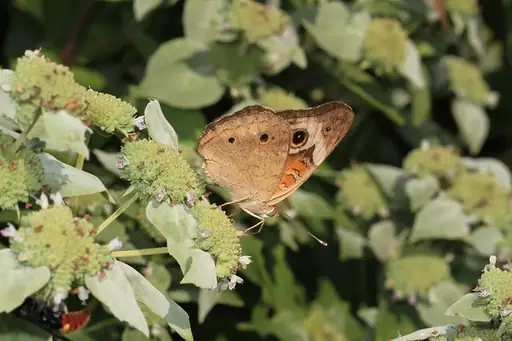
If any native perennial could be said to hum, the honor would go to Pycnanthemum muticum. From mid to late summer the blunt mountain mint gathers a shimmer of broad, silver-frosted bracts at the top of every stem, and within them open dense heads of tiny pink-to-white flowers that draw an almost comic density of life: bees of every kind, wasps, butterflies, skippers, moths, and flies working the nectar from dawn to dusk. In a three-year Penn State study that monitored eighty-six species, no plant drew a greater number and diversity of pollinators.
The plant is a true easterner, native from Maine to Texas along the lowlands and foothills of the Appalachians, at home in grassy openings, meadows, moist woodland edges, and old fields. Tough, deer-resistant, and quick to knit into a colony, blunt mountain mint has become a mainstay of ecological and pollinator plantings, and in 2025 the Perennial Plant Association named the species its Plant of the Year, a rare official nod to a plant grown as much for the insects as for the gardener.
The mountain mints carry a long human history as well. Native peoples across eastern North America used various Pycnanthemum species as aromatic teas for chills, fever, coughs, and upset stomach, and the crushed, pulegone-scented leaves have long served as a rough-and-ready insect repellent, rubbed on skin or clothing to turn away chiggers, gnats, ticks, and mosquitoes. The botanical name is a quiet piece of description: Pycnanthemum, from the Greek for densely flowered, for those crowded heads, and muticum, meaning blunt or awnless, for the rounded leaf tips behind the common name.
In the garden, blunt mountain mint is a plant for the sunny, informal middle ground: a meadow, a native or pollinator border, a wild garden, or the transition between bed and field, where the silvery late-summer bracts cool a hot planting and read as a haze of frost from a distance. Give full sun to part shade and average to moist soil, and give room, since the plant spreads steadily by rhizome into broad, well-mannered colonies; site where that spread is welcome, or edge the planting to keep the colony in bounds. Pair the mountain mint with black-eyed Susans, asters, native grasses, and other late bloomers, and set the plant along a path where a brushed leaf releases the clean, minty scent.
Keşfedilecek daha çok şey var.



Sorular ve tartışma