

Bu sayfa orijinal dilinde gösterilmektedir. Çevirisi henüz mevcut değil.
Seedsun seçimi
Quercus oglethorpensis
Ürün Kodu: QUER-OGLE-01G
Few oaks in North America are rarer. Quercus oglethorpensis went unnoticed by science until 1940, when the botanist Wilbur Duncan described the tree from material gathered in Oglethorpe County, Georgia, and gave the species the county's name. Even now Oglethorpe oak is known from only a scattering.
Size özel fiyat teklifi isteyin.
Fiyatlandırma, paket boyutları ve stok durumu kişisel teklifinizde teyit edilecektir. Sorgulama göndermek ücretli sipariş anlamına gelmez.
Uygunluk, ekim ve yetiştirme gereksinimleri hakkında bilgi alın.
Teklifinizde teslimat seçeneklerini ve gerekli belgeleri teyit edin.
Bu çeşit hakkında
Few oaks in North America are rarer. Quercus oglethorpensis went unnoticed by science until 1940, when the botanist Wilbur Duncan described the tree from material gathered in Oglethorpe County, Georgia, and gave the species the county's name. Even now Oglethorpe oak is known from only a scattering of stands across the Georgia and South Carolina Piedmont, with far-flung outliers in Louisiana and Mississippi, and the species sits on every serious list of oaks of conservation concern.
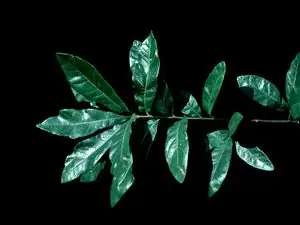
This is, despite long mislabeling, a member of the white oak group: the leaves are narrow, elliptic, and untoothed, without the bristle tips of the red oaks, and the acorns ripen in a single season rather than waiting out two. Those leaves are the ornament, slim and refined for an oak, turning soft orange to red in autumn over a clean, rounded crown of moderate size, more at home on a campus or a large lawn than many of the outsized cousins in the genus.
We grow Oglethorpe oak because someone must. The fuller history and ecology are laid out in our guide to the species. To plant one is a small act of keeping, a way of holding a vanishing tree in the ground a little longer, and that, more than the fall color, is the reason to find the tree room.
In the garden, treat Oglethorpe oak as a refined, moderate-sized shade or specimen tree for a campus, a large lawn, a park, or a naturalistic native planting on good upland ground. Give full sun to part shade and well-drained soil, allow room for a forty- to sixty-foot rounded crown, and pair with other Piedmont natives. The slim, willow-like leaves and clean orange-to-red fall color are handsome in their own right, but the deeper reason to grow the tree is conservation: every planted Oglethorpe oak is one more foothold for a species the wild is losing.
Keşfedilecek daha çok şey var.



Sorular ve tartışma