
How and When to Deadhead Hollyhocks
My grandma would make dolls out of the hollyhocks that grew in her front yard, turning the large blossoms into skirts for her new companions. She taught us to do the same thing when my sister and I were young, so my mom never had to worry about deadheading her hollyhocks. We’d always gotten to them.
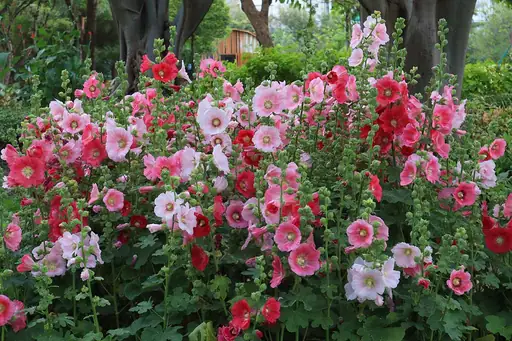
My grandma would make dolls out of the hollyhocks that grew in her front yard, turning the large blossoms into skirts for her new companions.
She taught us to do the same thing when my sister and I were young, so my mom never had to worry about deadheading her hollyhocks. We’d always gotten to them first.
I no longer make hollyhock dolls, which means I had to figure out if I should be deadheading the flowers as I do with so many other plants. Turns out, the answer isn’t totally straightforward.
It depends on your goals. Coming up, we’re going to discuss when and why you should deadhead and if it’s necessary at all. Here’s what we’ll discuss:
What You’ll Learn
- Is Deadheading Necessary?
- When to Deadhead
- How to Deadhead Hollyhocks
- Cleaning Up for the Winter
Hollyhocks are biennials, which means they only live for two years. But if you’ve ever had them in your garden before, then you know they’ll keep coming back year after year. How does that happen?
These plants are happy to self-seed all over the place. While I wouldn’t call them invasive, they are certainly quick to reproduce if given the right conditions. Read our guide to growing hollyhocks learn more about this (and more!).
When you decide whether or not to deadhead, self-sowing is something you need to keep in mind. So let’s discuss.
Is Deadheading Necessary?
In a word, no. Deadheading your hollyhocks isn’t strictly necessary. Your plants will bloom for a good long while from midsummer to fall without any encouragement from you.
When they’re done blooming, they’ll send out seeds and then die back to the ground for the winter.
However, if you deadhead, you encourage the plant to send up another flush of blossoms in the late summer. Additionally, if you remove the spent heads, you prevent self-seeding. That can be a bad thing or a good thing, depending on your goals.
If you want to see your plants return year after year, deadheading too soon can be a bad thing.
So while deadheading isn’t essential, it can certainly be helpful if you time it right.
When to Deadhead
There’s no set time on when you should be deadheading. Every plant and every climate is different.
The trick is to simply watch your flowers. Once they start to look spent and they turn brown, cut the flower stalk down to the base.
However! If you want your plants to self-seed, don’t remove them until all of the flowers have turned brown and have dropped their seeds. Otherwise, you’ll prevent them from reproducing.
To figure out if the seeds have dropped, look at the little brown pods that are left after the blossoms have fallen. They have a cupped center that will either have a bunch of black seeds inside, or it will be empty.
If you can see the seeds but the rest of the pod is totally dry and brown, you can provide a little assistance and remove the pod and sprinkle the seeds on the ground, or save them for planting elsewhere.
How to Deadhead Hollyhocks
Deadheading hollyhocks is a little different than doing the same chore on a different species that only produces one flower per stalk, such as peonies. Each flower stalk has many flower heads and the buds don’t all open at the same time.
You can pinch off the spent flowers, which usually start at the bottom of the stalk, if you want to maintain a tidy appearance while you wait for the upper flowers to open.
To encourage a second round of blossoms, you need to cut the entire flowering stalk off at the base, and you should do this when a majority of the blossoms are spent.
When a quarter or so of the flowers are left at the top and the rest are looking pretty sad, that’s the right time.
Just use a pair of scissors or pruners and make a clean cut at the base.
Soon, you should start to see a few new flowering stalks form. They won’t grow as big or tall as the original ones did, but you should still see some new flowers bloom.
This method will prevent seeds from dispersing, though you may get some from the second set of blooms if you don’t deadhead them.
Cleaning Up for the Winter
Cleaning up for the winter is different than deadheading. You won’t see a second round of blossoms.
If you want your plants to self-seed, then you need to refrain from deadheading them. I know, it can be unsightly to leave those dying flower stalks alone, but it will pay off in the long run.
Once the stalks look pretty ragged and the seed pods are all (or mostly) empty, use a clean pair of pruners and cut the stalk off at the base. You can do this before or after the foliage has died back.
Happy Hollyhocks Are a Sight to See
When you’re looking up at those impressive stalks packed full of vibrant blossoms, it’s pretty hard not to be impressed. These cottage garden classics are incredibly beautiful when they’re in full bloom.
But when they fade? Not so much. Now you know how to decide when and how to gussy them up a bit.
What cultivar of hollyhocks are you growing? Do you let them self-seed? Let us know in the comments section below!
Want to learn more about some marvelous hollyhock relatives in the Malvaceae (or mallow) family? Consider checking out these guides next:
- How to Grow and Care for Rose of Sharon
- How to Grow Hardy Hibiscus
- 37 of the Best Hibiscus Varieties
- Facebook4
- X




问题与讨论