
How to Keep Kale from Wilting in the Garden
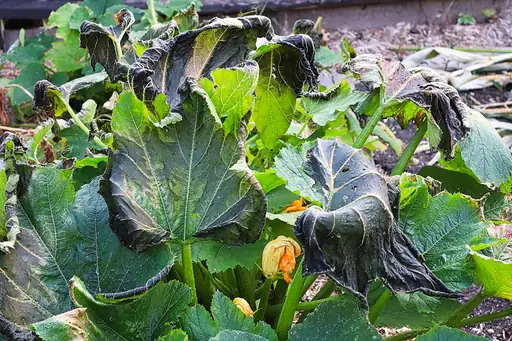
Kale’s nutritional benefits are well-known, and the leafy green has become a favorite with restaurant chefs and home cooks alike. Perhaps you love this veggie so much you’ve added it to your garden. But, oh no! You’re seeing that some of the leaves of your kale plants (Brassica oleracea var..
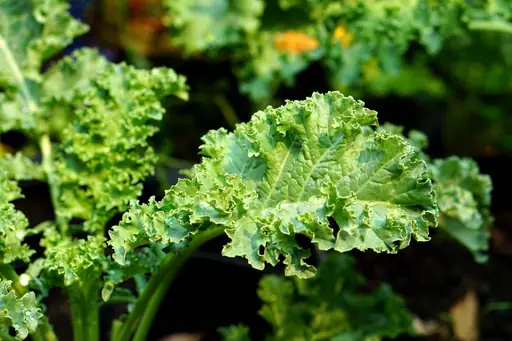
Kale’s nutritional benefits are well-known, and the leafy green has become a favorite with restaurant chefs and home cooks alike.
Perhaps you love this veggie so much you’ve added it to your garden.
But, oh no! You’re seeing that some of the leaves of your kale plants (Brassica oleracea var. acephala) are wilting!
What’s causing this and how do you fix it? Read on to learn more!
What You’ll Learn
- Timing Is Everything
- Before You Plant
- Water, Water, Water
- Look Out for Pests and Diseases
- Standing Tall
Timing Is Everything
First and foremost, it’s important to recognize that kale is a cool-weather crop, and its planting should be timed accordingly. It doesn’t like temperatures much above 70°F.
If you’ve planted your fall crop a bit early and Mother Nature has sprung a warm spell on you, you may see a bit of deflation in the heat of the day, but the kale should perk up again as the day cools.
However, if you plant this veggie in May in Texas, for example, you’re going to see some seriously wilting leaves.
Depending on your local climate, of course, you can maybe get crops in both spring and fall. Pay attention to the time-to-harvest information indicated on the back of your seed packet or on the plant pick if you’ve purchased transplants. Map out your schedule for succession planting accordingly.
Before You Plant
Give your kale plants a solid foundation by preparing an optimal growing environment. This plant appreciates well-drained soil that’s rich in organic matter.
Amend your soil with compost before you plant, and then apply a balanced fertilizer once or twice during the growing season, according to package instructions, to ensure your plants are well-fed.
If you’re planting a spring crop, you may need to plant in an area that is partially shaded in the afternoon or use a floating row cover with a shade cloth, in order to prevent the plants from overheating, which can cause them to wilt.
Fall-planted kale, again depending on where you live, can tolerate full sun, and so providing shade isn’t as important.
Water, Water, Water
Kale needs plentiful, consistent moisture – one to two inches of water per week is usually about right. Make sure you have a thick layer of mulch around your plants to help with moisture retention.
If the kale leaves get too dried out, they are likely to wilt.
Additionally, keeping your kale beds weed-free will ensure critical resources such as water are available for the kale, rather than for, say, the dandelions.
Look Out for Pests and Diseases
Certain fungal diseases can cause kale to wilt. Small, dark spots are often the first sign of a fungal infection. If you see these, treat your plants with a fungicide right away.
Thrips can carry a virus that can cause wilt. Treat these pests with insecticidal soap or neem oil. Find more tips for managing a thrip infestation here.
Aphids are another wilt-causing pest to look out for. Check the undersides of your kale leaves occasionally for these small bugs, which can be treated as you would treat thrips. A strong spray with the hose can help as well.
Standing Tall
If you give your kale plants exactly what they need, they’ll stand proudly at attention in your garden, with nary a flop.
Ensuring the growth of healthy plants starts with timing, as well as good site selection and preparation.
Make sure plants are watered adequately, and check for pests now and again.
Adhere to these simple principles, and you will have wilt-free kale for your harvest.
Have you ever experienced floppy kale? What was your choice of treatment? Share your secrets in the comments section below.
If you want more information about growing kale, check out few of these articles:
- What Causes Yellowing and Thinning of Kale Leaves?
- 6 Best Types of Kale for Cold Climates
- How to Harvest Kale
- Facebook26
- X
问题与讨论