

此页面以其原始语言显示,暂无翻译版本。
Seedsun 精选
Citrus cavaleriei (ichangensis)
SKU: CITR-ICHA-01G
The Ichang papeda is a thorny evergreen small tree of twelve to fifteen feet, and the most cold-tolerant true citrus known to science, reported hardy to roughly five degrees Fahrenheit. The leaves are the tell: unusually large winged petioles, sometimes nearly as big as the blade itself, so each.
索取定制报价
价格、包装规格和供货情况将在您的专属报价单中确认。发送询价并不代表您已下单付款。
询问其适宜性、播种和生长要求。
请在报价单中确认送货方式和所需文件。
品种介绍
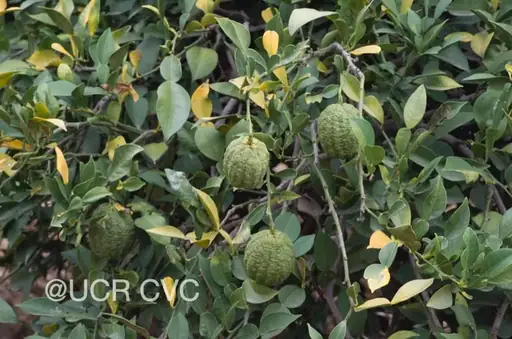
The Ichang papeda is a thorny evergreen small tree of twelve to fifteen feet, and the most cold-tolerant true citrus known to science, reported hardy to roughly five degrees Fahrenheit. The leaves are the tell: unusually large winged petioles, sometimes nearly as big as the blade itself, so each leaf looks like two leaves joined end to end. White flowers open in spring with the sweet heavy scent the whole genus is loved for. Fruit follows, rough-skinned and yellow, orange-sized, packed with large seeds and very little flesh. Sharply aromatic rather than sweet, and nobody would call this dessert fruit, though the zest is fragrant and useful and the juice finds work in marmalade, salt preserving, and drying.
The name has recently changed, and both versions are worth knowing. Gardeners and citrus breeders have called this plant Citrus ichangensis since Walter Tennyson Swingle published the name in 1913, but Citrus cavaleriei, published by Léveillé two years earlier, has priority, and Kew's Plants of the World Online now treats cavaleriei as the accepted name with ichangensis as a synonym. Ichang, the older romanization of Yichang in Hubei, marks the place; papeda is the name given to the group of hard, seedy, primitive citrus that sit outside the sweet oranges and lemons in the family tree.
Swingle himself brought the plant to the United States. In 1926 he carried home a healthy young seedling raised for him at Nanking by C. C. Hu, grown from stock out of Hubei Province, and the interest was never ornamental. As the hardiest evergreen species in the genus, this papeda has been the raw material for cold-hardy citrus breeding ever since. The yuzu, now a fixture of Japanese cooking and increasingly of Western kitchens, is a cross of this species with a mandarin. The Ichang lemon is another of the offspring. Almost every serious attempt to push edible citrus north of its comfortable range runs through this tree somewhere.
Grow in full sun with sharp drainage and shelter from cold drying wind. The species will take temperatures that kill any other evergreen citrus outright, but wet cold is a different matter than dry cold, and a soggy winter root run will do far more damage than the thermometer. In zone 7 give a warm south wall and expect some leaf burn in a hard year; from zone 8 south, plant with confidence. Container culture works well and lets northern growers keep one under glass. Use as a specimen where the fragrance can be reached from a path, and be honest with yourself about the thorns, which are long, stiff, and unforgiving. This is a plant for collectors, citrus breeders, and anyone who enjoys owning the answer to a question nobody expects.
您可能也感兴趣



问题与讨论