

此页面以其原始语言显示,暂无翻译版本。
Seedsun 精选
Iris virginica
SKU: IRIS-VIRG-01Q
Iris virginica takes the genus name that Linnaeus borrowed from Iris, the Greek goddess who carried messages along the rainbow, a fitting patron for a family that scatters every color through the flower. The species epithet virginica records where botanists first met the plant, in colonial.
索取定制报价
价格、包装规格和供货情况将在您的专属报价单中确认。发送询价并不代表您已下单付款。
询问其适宜性、播种和生长要求。
请在报价单中确认送货方式和所需文件。
品种介绍
Iris virginica takes the genus name that Linnaeus borrowed from Iris, the Greek goddess who carried messages along the rainbow, a fitting patron for a family that scatters every color through the flower. The species epithet virginica records where botanists first met the plant, in colonial Virginia, though Southern blue flag ranges far beyond, threading wet ground from the Chesapeake down through Florida and west to Texas, and north into the Midwest. In the wild the iris is an obligate wetland plant, at home in marshes, wet meadows, swamps, and the shallow margins of ponds where the roots can sit in standing water for weeks at a time.
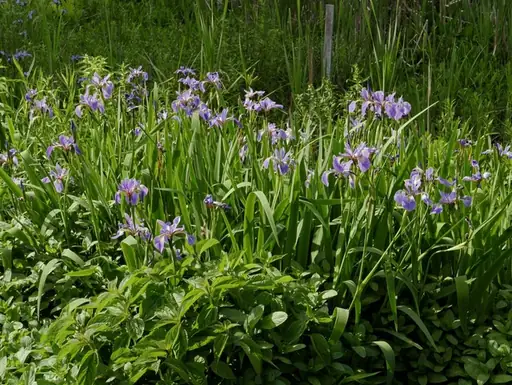
From clumps of bright green, sword-shaped leaves, Southern blue flag lifts flowering stalks one to three feet high in late spring and early summer. Each bloom carries the classic iris architecture, three upright standards above three arching falls, painted in blue to deep violet and occasionally a clean white, with a bright yellow signal at the base of each fall that guides bumblebees toward the nectar. Gardeners sometimes confuse this species with the more northern harlequin blue flag, Iris versicolor, but Southern blue flag wears a bolder yellow flash, tolerates real heat, and often carries leaves that stand taller than the flowers.
The blue flags carry a long and cautionary human history. Cherokee and other Southeastern peoples dug the rhizomes in late summer, pounding the rhizome into a skin salve and steeping the root as an infusion for complaints of the liver and kidneys, and nineteenth-century Eclectic physicians later took up blue flag as a so-called blood purifier. All of that came with respect for a genuinely acrid root: the rhizomes hold iridin and volatile oils that irritate the skin and can turn sharply emetic if swallowed, so this is history to read rather than a recipe to try. In the garden the same toxicity is quietly useful, since deer and rabbits leave the foliage alone.
Southern blue flag earns a place wherever water collects. Set the iris along a pond or stream margin, in the wet heart of a rain garden, or in a boggy low spot that defeats most perennials, and give full sun to part shade; the plant will knit into loose colonies by creeping rhizome and stand as a vertical accent among the softer textures of sedges, rushes, and hardy hibiscus. In the Deep South the fans often hold half green through winter, while farther north the plant dies back to the ground and returns in spring. Mass a dozen for a sweep of late-spring violet, or tuck a single clump at the water's edge where the reflection can double the show.
您可能也感兴趣



问题与讨论