

此页面以其原始语言显示,暂无翻译版本。
Seedsun 精选
Organic Thai Basil
SKU: PV140
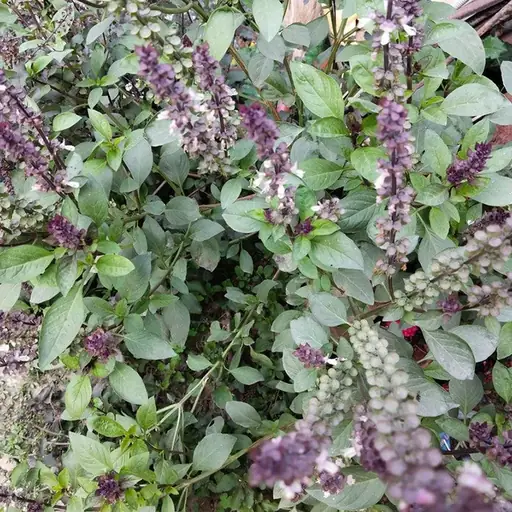
Thai Basil, with a bolder taste than sweet basil and a subtle hint of licorice, features smaller leaves with purple stems, making attractive garnishes. Widely used in Thai and Southeast Asian cuisine, its popularity has surged due to the discovery of delectable regional dishes. Compact in size, it.
索取定制报价
价格、包装规格和供货情况将在您的专属报价单中确认。发送询价并不代表您已下单付款。
询问其适宜性、播种和生长要求。
请在报价单中确认送货方式和所需文件。
品种介绍
Thai Basil, with a bolder taste than sweet basil and a subtle hint of licorice, features smaller leaves with purple stems, making attractive garnishes. Widely used in Thai and Southeast Asian cuisine, its popularity has surged due to the discovery of delectable regional dishes. Compact in size, it is an ideal choice for container gardening.
Sustainably grown in 2.75" pots
Selecting the Right Location
Thai Basil thrives in warm, sunny conditions. Choose a location in your garden that receives at least 6 to 8 hours of direct sunlight per day. Ensure that the soil is well-draining and rich in organic matter. If growing Thai Basil indoors, place it near a south-facing window where it can receive ample sunlight.
Planting Thai Basil
Plant Thai Basil starts when the soil temperature is around 50°F. Plant them at the same depth as they were in their containers. Water thoroughly after planting to help the roots establish in the soil. Pot it indoors in winter for a consistent, year-round yield. Ensure optimal conditions for growth by starting the plant directly when the soil temperature reaches the threshold. Basil is sensitive to temperatures below 50°F, so bringing it indoors during winter guarantees a continuous and reliable supply throughout the year.
Watering and Care
Thai Basil plants require regular watering to keep the soil evenly moist, especially during hot, dry weather. Water the plants at the base to avoid wetting the foliage, which can lead to fungal diseases. Avoid overwatering, as Thai Basil is susceptible to root rot in waterlogged soil. Mulching around the plants can help retain soil moisture and suppress weeds.
Fertilizing
Thai Basil is a light feeder and does not require heavy fertilization. However, you can apply a balanced fertilizer once a month during the growing season to promote healthy growth and abundant foliage. Alternatively, top-dressing with compost or organic matter can provide the necessary nutrients for optimal growth.
Pest and Disease Management
Thai Basil is relatively pest-resistant but may occasionally attract pests such as aphids, spider mites, or whiteflies. Monitor your plants regularly for signs of pests and treat them promptly with insecticidal soap or neem oil if necessary. Avoid overhead watering to prevent fungal diseases such as powdery mildew.
Harvesting Thai Basil
Thai Basil can be harvested once the plants reach a height of 6 to 8 inches and have developed several sets of leaves. To harvest, pinch off individual leaves or cut stems just above a set of leaves using clean, sharp scissors or pruners. Regular harvesting encourages bushy growth and prolongs the harvesting period.
Overwintering
In colder climates, Thai Basil is grown as an annual and will not survive freezing temperatures. However, you can extend the growing season by bringing potted Thai Basil plants indoors before the first frost. Place them in a sunny window and continue to harvest fresh leaves throughout the winter months.
Growing Thai Basil is a rewarding experience that allows you to enjoy fresh, aromatic leaves right from your garden or kitchen windowsill. By following the tips and guidelines outlined in this guide, you can successfully cultivate Thai Basil and enhance your culinary creations with its delightful flavor and fragrance.
您可能也感兴趣



问题与讨论