
Tips for Growing Hardy Chicago Fig Trees (Bensonhurst Purple)
In general, fig trees, Ficus carica, are well-known for their preference for mild climates. But northern gardeners won’t be denied a supply of fresh backyard fruit if they grow a ‘Hardy Chicago’ variety, which can withstand fairly cold temperatures if properly cared for. Also known as ‘Bensonhurst.
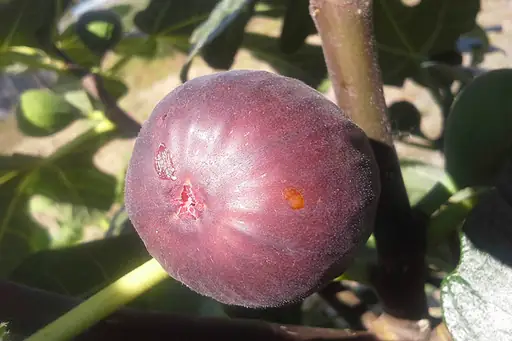
In general, fig trees, Ficus carica, are well-known for their preference for mild climates.
But northern gardeners won’t be denied a supply of fresh backyard fruit if they grow a ‘Hardy Chicago’ variety, which can withstand fairly cold temperatures if properly cared for.
Also known as ‘Bensonhurst Purple,’ this variety produces purple-brown figs that ripen in late summer.
The flavorful fruit is small to medium-sized, and is sometimes compared to the fruit of another popular fig variety, ‘Brown Turkey.’
‘Hardy Chicago’ grows 10 to 15 feet tall, and has a spread of nine to 12 feet at maturity.
This fig can be grown in warmer climates, too, and it does well in USDA Hardiness Zones 5 to 11.
While Southern fig lovers have an abundance of choices for cultivars that do well in their areas, ‘Hardy Chicago’ is one of just a handful of fig varieties that can survive chilly climes.
Think this fig might be the one for you? Read on to get our tips for growing the ‘Hardy Chicago’ variety. Also, make sure you take a look at our fig growing guide.
What You’ll Learn
- Getting Started
- Maintenance
- Winter Care
Getting Started
Site selection is important for growing ‘Hardy Chicago’ in northern areas.
Choose a location that is protected from chilly winds and will enable the tree to receive eight hours of sun per day. With its wide spread, you’ll want to be sure the spot you choose affords plenty of room for it to stretch out, too.
Figs prefer soil with a pH of 6.0 to 6.5, and the tree will reward particularly well if you incorporate some compost into the planting area.
Plan to transplant when the tree is dormant, in early spring or late fall.
After you’ve amended the soil with compost, dig a hole wide enough to accommodate the root ball, and about two to three inches deeper, depending on the size of your plant.
Place the root ball in the hole and backfill with the soil you pulled out.
Water well and apply a thick layer of mulch such as woodchip or shredded bark, to help the soil retain moisture and reduce evaporation.
Place the mulch around the plant but make sure it’s not touching the stem. Leave a gap of two to four inches to prevent moisture building up around the stem that could lead to rot.
Maintenance
Continue to water your young tree twice a week for the first couple of years, until it becomes established.
After that, it’s a good idea to water every three to five days during the growing season, particularly if there is no rainfall. The goal is to keep the soil moist but not waterlogged.
Photo via Wikimedia Commons. Famartin CC BY-SA 4.0.You can quit watering an established tree in the fall as it will go dormant in the winter months.
You shouldn’t need to fertilize your fig unless it is slow to develop leaves in spring, in which case you can apply a balanced slow-release fertilizer – NPK 5-5-5 should do the trick.
Alternatively, apply compost in the spring. To do this, remove the mulch and apply one to two inches of compost then replace the mulch over the top.
Photo via Wikimedia Commons. Debouch CC BY-SA 4.0.Fig trees don’t require a lot of pruning, but a snip here and there to encourage new growth – especially on older trees – isn’t a bad strategy. You’ll also want to cut away any deadwood, of course.
Pruning should be done during the winter months when the tree is dormant.
Winter Care
‘Hardy Chicago’ is among the most cold-tolerant of fig varieties; its stems are hardy down to 10°F and its roots will survive temperatures as low as -20°F.
Photo via Wikimedia Commons. Famartin CC BY-SA 4.0.Nevertheless, it’s good to give these trees some extra love when winter winds blow in.
For starters, mulch thickly with woodchip, shredded bark, or straw to the drip line to give the roots extra protection against the cold.
For small trees, you can wrap the branches and trunk with an insulating material, securing it with string. You can then cover the whole tree with a tarp or other waterproof material to provide additional insulation.
You might also consider building a cage around the trunk, and then filling the cage with hay, leaves, or other mulching material.
Read more about preparing fruit trees for winter here.
Takes the Cold and Keeps on Fruiting
‘Hardy Chicago’ fig trees are just the ticket for gardeners who need a tough tree that can take a brutal chill and still reward with bushels of flavorful fruit.
Fairly easy to grow, with minimal water and fertilization requirements once established, ‘Hardy Chicago’ figs make a lovely and nearly carefree addition to the landscape.
Have you grown this beauty? Share your tips in the comments section below.
For more information on growing fruit trees in your orchard, you’ll need these guides next:
- 7 of the Best Cold Hardy Apricot Trees
- 9 of the Best Cold Hardy Avocado Trees
- Growing Citrus Indoors: Create a Little Slice of Paradise
- Facebook160
- X




問題與討論