
When and How to Harvest Caraway Seed
Caraway, or Carum carvi, is a biennial herb that is entirely edible. It’s best known for its pungent fruit, or seed, that is used to flavor classic rye bread. In this guide, we’ll talk about when and how to harvest caraway seed at the peak of their flavor for consumption and future crops. All in.
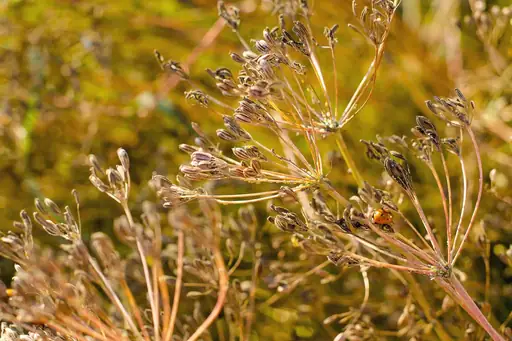
Caraway, or Carum carvi, is a biennial herb that is entirely edible. It’s best known for its pungent fruit, or seed, that is used to flavor classic rye bread.
In this guide, we’ll talk about when and how to harvest caraway seed at the peak of their flavor for consumption and future crops.
All in Good Time
C. carvi is a pretty plant, with feathery leaves and umbrella-like flowerheads made up of many tiny white or pink blossoms. It infuses a garden with a pleasant aroma and attracts beneficial insects.
In temperate zones, where caraway grows as a biennial, it matures in its second summer. In warmer climes, it grows as an annual, and matures in late spring.
The tender young leaves can be eaten fresh in salads and the roots can be consumed as you would potatoes or carrots at the end of the plant’s life cycle.
But the seed is a bit finicky when it comes to harvesting. It’s all about timing.
Cutting and Curing
Check your plant each morning, and when you see that most of the flowerheads have turned brown, it’s time to cut them off. This is the most crucial step in the harvesting process.
If you cut too soon, the fruit will be immature, lacking in oil and flavor.
If you wait too long, the fruit may shatter, or burst from the plant and land on the ground, too tiny to gather without great patience.
Some folks like to leave a good bit of stem attached, bunch the stems, put a paper bag around them, and suspend the whole bunch upside-down.
Others spread out a clean cloth and place short-stemmed flowerheads on top. The purpose of each method to allow the harvested plants time to dry out, or cure.
Choose a location for the bag or cloth that is dry and undisturbed.
After several weeks, check for dryness. If you shake the paper bag and hear rattling, or you lift a flowerhead from the cloth and fruit falls, it’s time for the next step.
Threshing
Once dry, the seed must be separated from the dry plant fibers, or chaff. This is called threshing.
Gently rub each flowerhead between your thumb and index finger to release any remaining seed.
If you’ve been working with a paper bag, now it’s time to spread the contents out onto a clean cloth.
Use a piece of cardboard to gently fan away the lighter chaff, and remove the rest carefully by hand, retaining only the two-tone brown ridged seed.
Once cured and threshed, caraway has a shelf life of up to four years in an airtight glass jar stored in a cool, dark, dry location. Use it in the kitchen, or save it to start next year’s crop.
A Labor of Love
I know you’re going to agree that separating such tiny fruit from chaff is totally worth it when you taste the robust flavor of homegrown caraway in your baked goods and savory dishes.
For a steady supply of this biennial herb, sow it annually. A jarful makes a clever hostess gift when dining at a friend’s home.
Happy harvesting!
Let us know which method you use in the comments section below!
And for more caraway plant guides, be sure to check out some of these:
- How to Plant and Grow Caraway
- Tips for Growing Caraway in Containers
- How to Identify and Control Caraway Pests and Diseases
- Facebook42
- X
問題與討論