
Chicory Health Benefits and Uses
Cichorium intybus Herbs and roots have been used in alternative medicine for centuries, and chicory is no exception. What is this mystical plant, and does it really boast legitimate health benefits? Here’s what’s to come in this article: What You’ll Learn What Is Chicory? Culinary Uses Health.
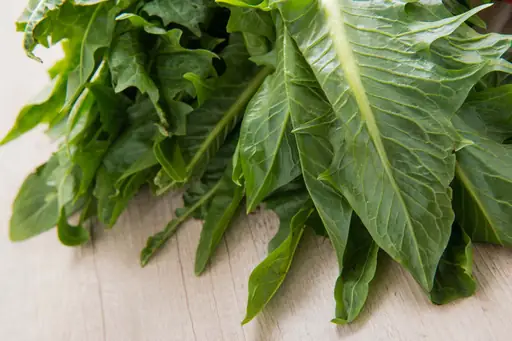
Cichorium intybus
Herbs and roots have been used in alternative medicine for centuries, and chicory is no exception.
What is this mystical plant, and does it really boast legitimate health benefits?
Here’s what’s to come in this article:
What You’ll Learn
- What Is Chicory?
- Culinary Uses
- Health Benefits
What Is Chicory?
C. intybus is a perennial plant related to the dandelion that blooms with beautiful blue flowers.
The leaves and roots are both edible, but traditionally the root is more commonly found in culinary use, to make brewed hot beverages.
Chicory is native to Europe, western Asia, and parts of North and West Africa, and today it has naturalized in North America.
Culinary Uses
C. intybus leaves have a bitter taste, so they are often cooked to make their flavor more mild. Wild chicory leaves are commonly eaten in Greece and Albania, and they are delicious paired with garlic or anchovies.
Cultivated leaves of other subspecies related to this plant are commonly known as radicchio, Belgian endive, escarole, and sugarloaf.
These are also bitter leaves that can be used in salads or cooked, similar to wild leaves. We’ll cover these in more detail in separate guides.
C. intybus root is often used as a food additive or dietary supplement. The roots are processed to allow manufacturers to extract the inulin they contain, a type of insoluble dietary fiber.
The root can also be roasted and ground to brew a beverage similar to coffee, or chicory and coffee are sometimes blended to make a less expensive beverage that is also lower in caffeine.
Health Benefits
One of the main compounds in C. intybus root is inulin, as mentioned above, a starch-like molecule similar to fructose (aka fruit sugar). Inulin is a low-calorie, soluble dietary fiber – known as a fructan or fructooligosaccharide – which makes it ideal for extraction and use as an artificial sweetener.
Inulin is also a prebiotic, meaning it helps to feed the helpful bacteria in our guts.
Chicory also contains phenolic acids, which are a type of polyphenol. Phenolic compounds include coumarins, tannins, chlorogenic acid, and caffeic acids, and may have anti-inflammatory and antioxidant properties.
C. intybus leaves and roots contain compounds that could potentially mitigate or prevent certain types of chronic illness.
Another benefit of C. intybus root is its ability to soothe indigestion. Some studies have shown that the root can help with constipation, bloating, diarrhea, or gallbladder disorders. These claims need to be investigated further.
Many studies have been conducted to examine its effects on digestion in ruminants.
The leaves of the plant provide their own host of nutritional benefits. They are high in vitamins A and K, and low in calories. The leaves are also a good source of vitamin C.
If you are interested in giving chicory root a go, check out these seeds from to grow your own!
Chicory Seeds
The beautiful blue flowers will make a great addition to the garden that the pollinators will love as well.
Learn more about how to grow chicory in this guide and find tips on harvesting the roots and leaves here.
Choose Chicory
C. intybus root (and its leaves!) do offer some health benefits. Before adding too much to your diet, consult with your doctor to be sure that it won’t interfere with any medical conditions you may have or medications you may be taking.
Have you tried chicory before? Let me know your favorite way to enjoy it in the comments!
And if you’re interested in learning more about medicinal plants, check out these articles next:
- How to Grow and Care for Borage Plants
- How to Grow and Care for Yarrow
- How to Grow Stinging Nettle in Your Garden
- Facebook206
- X
The contents of this article have been reviewed and verified by a registered dietitian for informational purposes only. This article should not be construed as personalized or professional medical advice. Gardener’s Path and Ask the Experts, LLC assume no liability for the use or misuse of the material presented above. Always consult with a medical professional before changing your diet, or using supplements or manufactured or natural medications.
問題與討論