

此頁面以其原始語言顯示,暫無翻譯版本。
Seedsun 精選
Osmunda regalis
SKU: OSMU-REGA-01G
Osmunda regalis, the royal fern, is a plant of stature and quiet nobility, at home where the woods remember water and time moves slowly. The genus Osmunda gives its name to an ancient family, the Osmundaceae, sometimes called the flowering ferns, with a fossil lineage that reaches back past the.
索取客製報價
價格、包裝規格和供貨情況將在您的專屬報價單中確認。發送詢價並不代表您已下單付款。
詢問其適宜性、播種和生長要求。
請在報價單中確認送貨方式和所需文件。
品種介紹
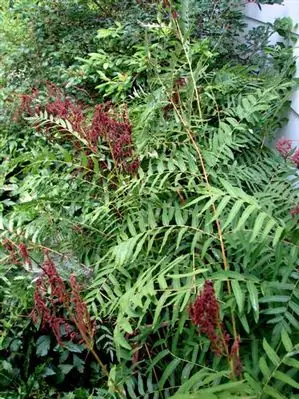
Osmunda regalis, the royal fern, is a plant of stature and quiet nobility, at home where the woods remember water and time moves slowly. The genus Osmunda gives its name to an ancient family, the Osmundaceae, sometimes called the flowering ferns, with a fossil lineage that reaches back past the Jurassic; a royal fern in the garden is a living relic of a far older flora. The natural range runs from Nova Scotia to Florida in North America, and on through Europe, Africa, and Asia, making this one of the most widely distributed ferns on earth. Both the common name and the Latin regalis salute the same quality: among the largest and most robust of all North American herbaceous plants, the royal fern reaches four to six feet where truly content.
The fronds set this fern apart from lacier kin. Coarse and twice-pinnate, they are built of broad, softly rounded leaflets that read more like the foliage of a young locust or ash than the filigree of daintier ferns, and the effect is statuesque rather than delicate. In late spring the plant lifts separate fertile fronds tipped with tassel-like clusters of sporangia, rust-brown and grain-like, and these give the old name flowering fern, though no true flower is involved. Fresh growth is flushed with bronze in spring and turns clear gold before the fronds die back in autumn.
The name Osmunda has gathered folklore over the centuries. One tradition ties the word to Osmund, a Saxon waterman said to have hidden his wife and daughter among the ferns of a river island during Danish raids; another reaches back to the Norse god Osmunder. Gardeners once knew the wiry, fibrous rootstock as osmunda fiber and prized the material as the classic potting medium for orchids. Herbalists valued the astringent rhizome as well: twelfth-century European herbals record its use on wounds and broken bones, and folk healers across Britain, northern Spain, and beyond turned to the plant for fractures, rickets, and aching joints, which earned yet another old name, bone-break fern.
In the garden, royal fern belongs where the ground stays wet: a shaded streambank, a pond or bog margin, a rain garden, or the humus-rich low ground beneath hardwoods. Alan Armitage said of the plant, "Where they are happy, they are some of the biggest, most robust plants around, not just in the fern family, but in all herbaceous plants." Give dappled light, damp feet, and acid soil that smells of leaf mold, and the fern will build slow, long-lived, statuesque clumps that anchor a wet corner for decades. Pair the royal fern with cinnamon and interrupted ferns, sedges, hostas, and Louisiana iris, and let deer pass the bold fronds by.
您可能也感興趣



問題與討論