

此頁面以其原始語言顯示,暫無翻譯版本。
Seedsun 精選
Pinckneya bracteata (pubens)
SKU: PINC-BRAC-PUBE-01G
Pinckneya is a large shrub or small deciduous tree with showy pink flowers that are not flowers at all. What carries the colour is a single enlarged sepal on some of the blooms, expanded into a soft rose-pink blade three or four inches long, so a tree in full display looks convincingly like a.
索取客製報價
價格、包裝規格和供貨情況將在您的專屬報價單中確認。發送詢價並不代表您已下單付款。
詢問其適宜性、播種和生長要求。
請在報價單中確認送貨方式和所需文件。
品種介紹
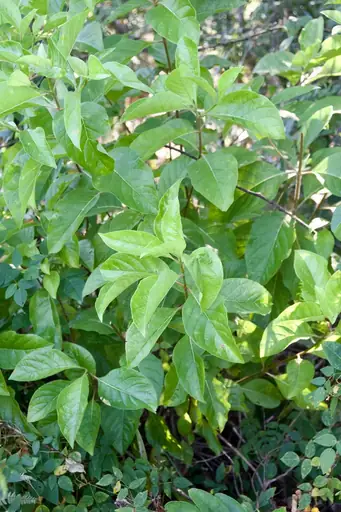
Pinckneya is a large shrub or small deciduous tree with showy pink flowers that are not flowers at all. What carries the colour is a single enlarged sepal on some of the blooms, expanded into a soft rose-pink blade three or four inches long, so a tree in full display looks convincingly like a poinsettia that has escaped into a Georgia bog. The true flowers are smaller, greenish-yellow, tubular, and easy to overlook beside the bracts. The leaves are oval and four to five inches long, and the whole plant is loose and open rather than dense.
The range is small and particular: scattered locations from southeastern South Carolina through Georgia into Florida, always in moist, acid ground that is not subject to standing water. In the wild you find the tree along the edges of bayheads, in pitcher-plant bogs, at the margins of swamp forest, and in moist pine and cypress savanna. That habitat description is also the growing instruction, and it explains the plant's reputation. Pinckneya is not an easy plant to grow, but the tree grows well where the tree is happy, and is striking when in flower. Plant in sun or part shade, in acid soil that stays moist without ever going stagnant, and do not fight the plant on drainage.
The common name Feverbark alludes to the tree having once been used as a substitute for quinine to treat malaria, and the claim has better foundations than most folk remedies. Pinckneya sits in the Rubiaceae, the coffee and madder family, in close company with Cinchona, the South American genus that is the actual source of quinine. The inner bark is bitter and was collected in Georgia and Florida for intermittent fevers through the eighteenth and nineteenth centuries, with nineteenth-century medical writers rating the bark as nearly equal to the official Peruvian article. The genus commemorates Charles Cotesworth Pinckney, the South Carolina soldier and statesman, and the species was described from William Bartram's collections, which puts this tree in the same historical company as Franklinia.
A connoisseur plant, rare and not readily available, and worth the trouble for anyone with the right ground. Site the tree at a pond edge, in a rain garden, or in the moist low corner most gardens have and few know what to do with, where the bracts can be seen against dark evergreen. Nursery-propagated plants also keep a scarce Southeastern native in cultivation, which matters for a species this narrowly distributed. Our cuttings came from Screven County, Georgia, in August 2026, on the same collecting trip that produced the Armstrong campus material.
您可能也感興趣



問題與討論