

此頁面以其原始語言顯示,暫無翻譯版本。
Seedsun 精選
Viburnum prunifolium
SKU: VIBU-PRUN-01G
Viburnum is the classical Latin name for the wayfaring tree, and prunifolium means plum-leaved, for foliage that could pass for a wild plum at a glance. The English names have piled up over the centuries: blackhaw, stagbush, stagberry, sloe-leaved viburnum, and in some counties nannyberry. The haw.
索取客製報價
價格、包裝規格和供貨情況將在您的專屬報價單中確認。發送詢價並不代表您已下單付款。
詢問其適宜性、播種和生長要求。
請在報價單中確認送貨方式和所需文件。
品種介紹
Viburnum is the classical Latin name for the wayfaring tree, and prunifolium means plum-leaved, for foliage that could pass for a wild plum at a glance. The English names have piled up over the centuries: blackhaw, stagbush, stagberry, sloe-leaved viburnum, and in some counties nannyberry. The haw in blackhaw is borrowed from hawthorn, which the shrub resembles in flower and in fruit while being no relation at all.
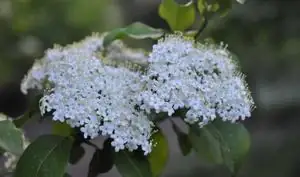
Blackhaw makes an attractive small tree with oval, leathery, deciduous leaves and showy flat-topped clusters of white flowers, followed by blue fruits that ripen almost black and are much liked by birds. The trunks carry very interesting, almost black checkered bark, broken into small thick blocky plates like alligator hide, and that bark alone earns the plant a place where winter structure matters. Native across the eastern United States, blackhaw begins as a suckering shrub and gradually becomes a small tree of fifteen to twenty feet. Plant in sun or semi-shade; the soil should be well drained.
The fruit is genuinely edible, sweetest after frost, thin-fleshed and mild rather than sharp, and good in jams and preserves if the birds leave enough behind. They rarely do. The flower clusters are rich in nectar and are worked hard by butterflies, native bees and beetles, and the fruit feeds songbirds, gamebirds and mammals well into winter. Few native shrubs of this size do as much for wildlife across as many months.
Few native shrubs, either, have a longer record in American medicine. Blackhaw bark was a favorite of the nineteenth-century Eclectic physicians and was carried in the United States Pharmacopoeia from 1894 to 1916 as a sedative and antispasmodic. Indigenous peoples and later settlers used the bark for cramping and for the complaints of pregnancy and labor. Modern chemistry has since found reasons for the reputation: the coumarin scopoletin, along with aesculetin, relaxes smooth muscle directly in laboratory work, and the bark also carries salicin, a close relation of aspirin, which would account for the pain relief. That is history and pharmacology, not a prescription.
In the garden, use blackhaw as an understory small tree at a woodland edge, as a hedgerow shrub, or limbed up as a specimen where the checkered bark can be seen and touched. Sun gives the heaviest bloom and the best red to purple fall color, while part shade suits the plant perfectly well and is closer to how blackhaw grows wild. Pair with Amelanchier, Itea and native azaleas for a spring-through-fall succession. Blackhaw suckers modestly and can be kept as a multi-stemmed thicket or trained to a single trunk, whichever the site asks for.
您可能也感興趣



問題與討論