

此頁面以其原始語言顯示,暫無翻譯版本。
Seedsun 精選
Xanthorhiza simplicissima
SKU: XANT-SIMP-01G
John Bartram collected Xanthorhiza simplicissima from the Carolina mountains sometime before 1776 and brought the plant back to his famous Philadelphia garden, which tells you two things: that yellowroot has been in cultivation for as long as this country has existed, and that people who know.
索取客製報價
價格、包裝規格和供貨情況將在您的專屬報價單中確認。發送詢價並不代表您已下單付款。
詢問其適宜性、播種和生長要求。
請在報價單中確認送貨方式和所需文件。
品種介紹
John Bartram collected Xanthorhiza simplicissima from the Carolina mountains sometime before 1776 and brought the plant back to his famous Philadelphia garden, which tells you two things: that yellowroot has been in cultivation for as long as this country has existed, and that people who know plants have always recognized something worth paying attention to here. The Cherokee had known the plant far longer, using the roots, sliced open to reveal a vivid, almost electric chrome yellow, as a dye, a bitter tonic, and a medicine for ailments from mouth sores to stomach complaints. The active compound is berberine, the same antimicrobial alkaloid found in goldenseal, and the roots produce berberine in striking quantity. Xanthorhiza is Greek for yellow root, and the name is no metaphor.
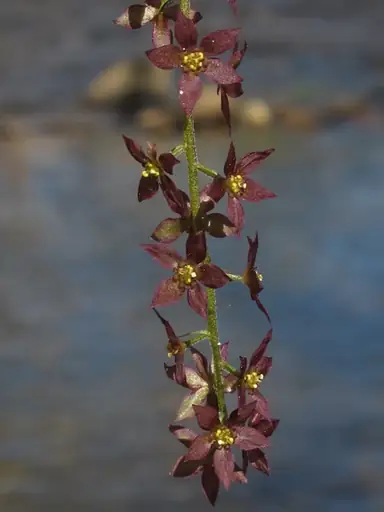
Yellowroot is a great deal more than a first glance suggests. Technically a shrub, and the only genus in a small family within the Ranunculaceae, the buttercup clan, the plant surprises anyone who meets those parsley-like compound leaves for the first time. In early spring, before the foliage fully extends, drooping panicles of tiny purplish-brown flowers with yellow centers appear, not showy from a distance but worth crouching down for. The summer character is the foliage: bright, finely textured, fern-like in effect, forming a dense low canopy that suppresses weeds and holds composure through the heat. Then autumn arrives, and the leaves move through a full spectrum of maroon, scarlet, orange, and gold, a fall display that looks borrowed from a much showier plant.
The plant spreads steadily by underground rhizome, tolerates shade that defeats most flowering shrubs, handles wet soils, and, once established, reasonable drought. Four centuries of cultivation, a Bartram connection, a living ethnobotanical record, and fall color worth photographing. The argument makes itself.
Photos courtesy of Julie Makin and Alan Cressler.
您可能也感興趣



問題與討論