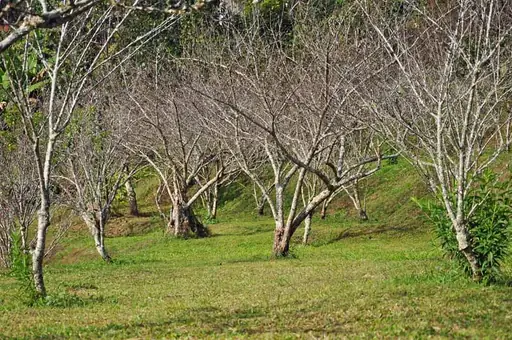
How to Identify and Control Cotton Root Rot in Fruit and Nut Trees
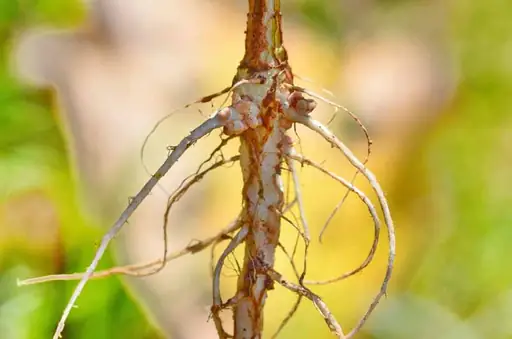
Phymatotrichum omnivorum Cotton root rot, also known as Texas root rot and by its scientific name Phymatotricum root rot, is caused by the the soil-borne fungus
Lea la guíaInformación práctica sobre el cultivo, perfiles de plantas e inspiración para un jardín más gratificante.
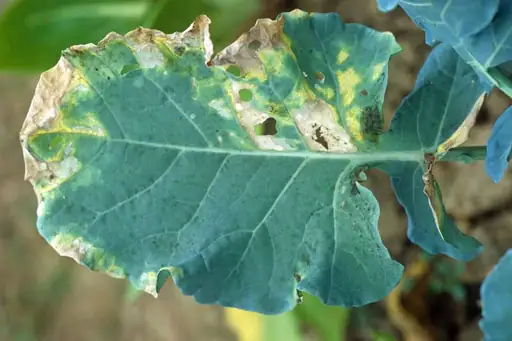
Phymatotrichum omnivorum Cotton root rot, also known as Texas root rot and by its scientific name Phymatotricum root rot, is caused by the the soil-borne fungus
Lea la guía
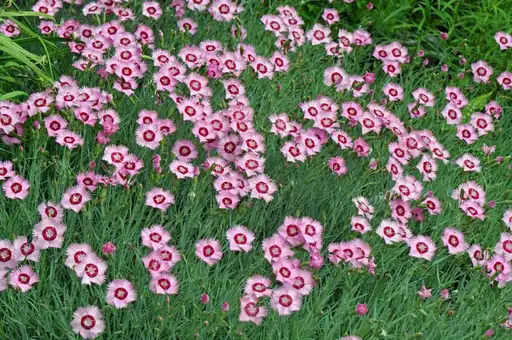
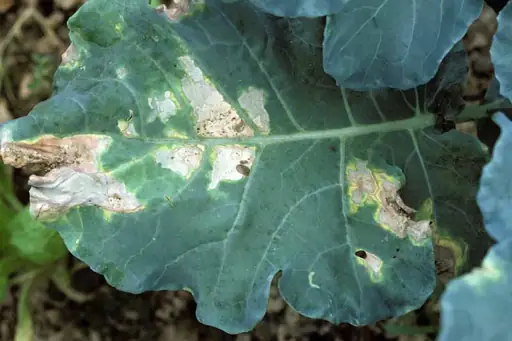
Xanthomonas campestris pv. campestris Black rot caused by the bacterium Xanthomonas campestris pv. campestris (Xcc) is a highly destructive disease of crucifers
Lea la guía
Dianthus plumarius Garden pinks are an old-fashioned favorite beloved for the sweetly spicy fragrance and charming, frilled flowers in shades of pink, red, and
Lea la guía
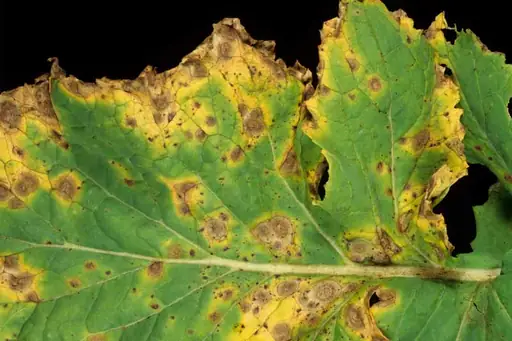
Alternaria brassicicola / brassicae Two species of the fungus Alternaria, A. brassicicola and A. brassicae, can cause leaf spot on turnips. You will know that y
Lea la guía
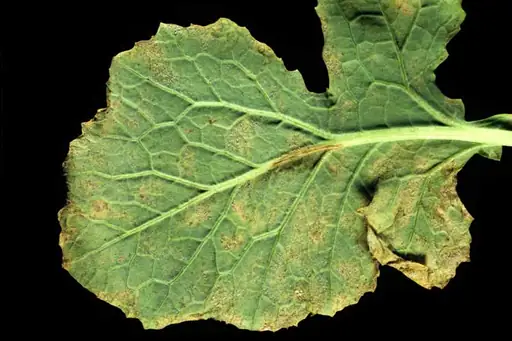
Peronspora parastica Downy mildew is a serious disease that may afflict turnips, especially under cool fall conditions. The fungal-like pathogen can destroy you
Lea la guía
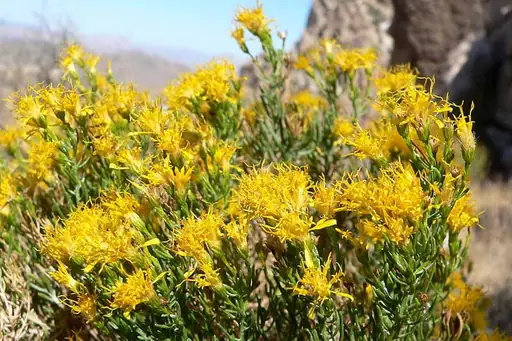
Ericameria laricifolia A gift from the Sonoran and Chihuahuan deserts, sun-loving turpentine bush is native to the southwestern United States, including southea
Lea la guía
Pseudomonas syringae pv. maculicola and Xanthomonas campestris pv. amoraciae Bacterial diseases of turnip leaves are very serious infections. There are no highl
Lea la guía
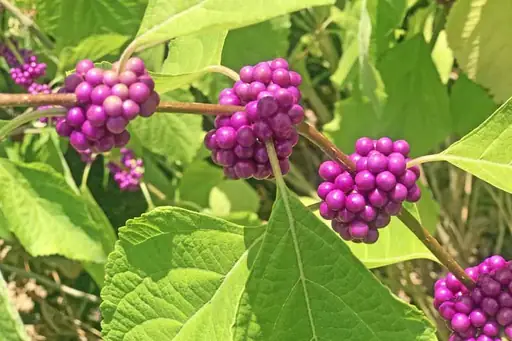
Callicarpa americana How can you not immediately fall in love with a plant called “American beautyberry”? It just makes the heart swell. Here, take a Kleenex. T
Lea la guía
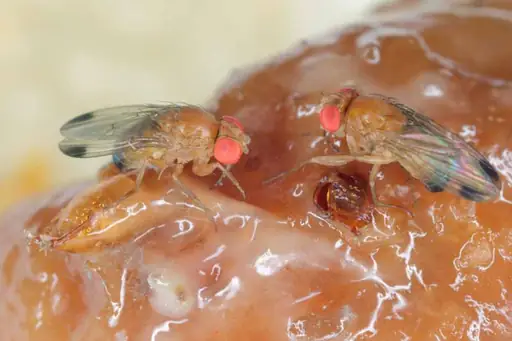
Drosophila suzukii You know those fruit flies that hover and get in your face when you have fruit that got too ripe? The ones that scientists use as model syste
Lea la guía
Bacillus amyloliquefaciens (BAA) is a type of bacterium that is found in soils throughout the world and also on dried foods and fresh produce. Many strains of t
Lea la guía
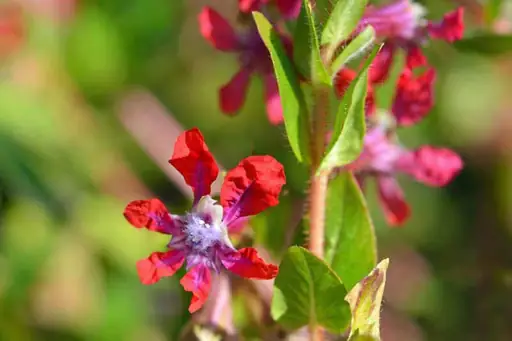
Cuphea Ilavea Don’t you just love unusual plant names? There are species with names like turpentine bush, and of course there’s snake plant and Persian shield,
Lea la guía
Turnips are vulnerable to several pests, including cabbage aphids and root maggots, that plague other crucifers. In addition, other insects are more annoyances
Lea la guía