La selección de Seedsun
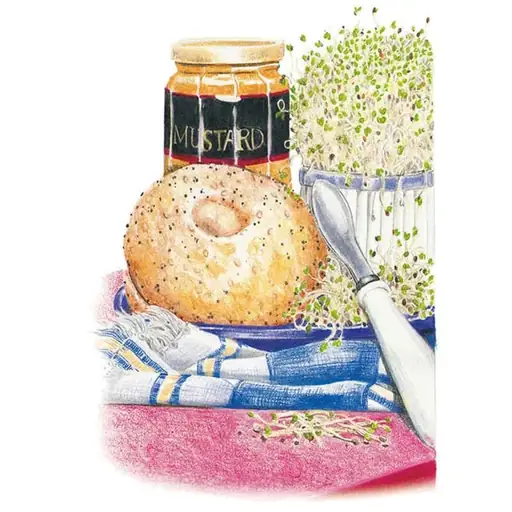
Alfalfa Sprouts Seeds for Garden Planting
Solicita un presupuesto personalizado

SKU: SCN205
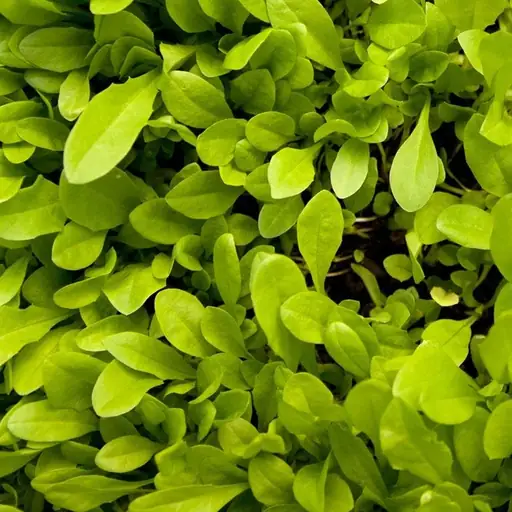
Cichorium intybus brings a different growth pattern to pastures and cover crop plantings. Instead of producing a dense mat of shallow roots, this perennial broadleaf develops a long taproot that explores deeper soil layers. That rooting habit helps established plants remain productive during dry.
Los precios, tamaños de los paquetes y disponibilidad se confirman en su presupuesto personalizado. Enviar una consulta no implica realizar un pedido pagado.
Cichorium intybus brings a different growth pattern to pastures and cover crop plantings. Instead of producing a dense mat of shallow roots, this perennial broadleaf develops a long taproot that explores deeper soil layers. That rooting habit helps established plants remain productive during dry periods and makes chicory a useful companion to grasses and legumes with shallower root systems.
Chicory is grown primarily for leafy forage and performs best in well-drained to moderately drained soil with medium to high fertility and a pH of 5.5 or above. It is commonly seeded into pasture mixtures, where its upright leaves add diversity and provide mineral-rich forage. Plant growth and forage quality change as the stand matures, so regular grazing or mowing is important when the goal is to maintain tender, leafy growth.
Use chicory as a small component of a mixed pasture or plant it alone where a deeper-rooted perennial is desired. Give new seedlings time to establish before heavy grazing, and avoid repeatedly removing growth too close to the crown. Chicory does not form a nitrogen-fixing relationship with Rhizobium bacteria, so no seed inoculant is required. When included with clovers or other legumes, inoculate the legume seed separately according to its needs.
Solicita un presupuesto personalizado
Solicita un presupuesto personalizado

Solicita un presupuesto personalizado
Solicita un presupuesto personalizado
Preguntas y debate