
How to grow amaranth
Flower Garden · Seed to Bloom How to grow amaranth Grow heat-loving amaranth for dramatic plumes, cascading tassels, richly colored foliage, and productive fresh or dried cuts. Wait for warm soilGive tall plants roomPinch upright types Shop amaranth →Start the guide ↓ Life cycleAnnualThrives in.
Flower Garden · Seed to Bloom
How to grow amaranth
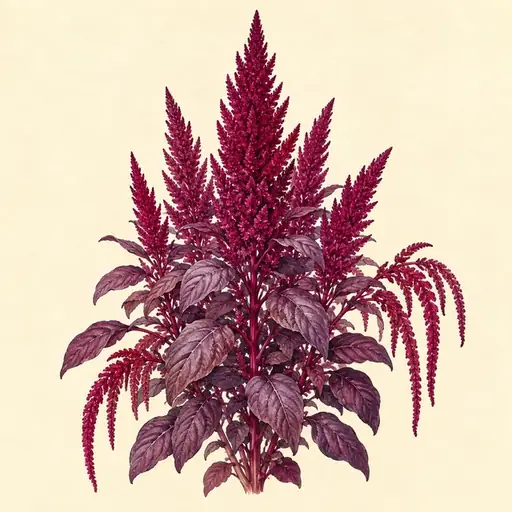
Grow heat-loving amaranth for dramatic plumes, cascading tassels, richly colored foliage, and productive fresh or dried cuts.
Wait for warm soilGive tall plants roomPinch upright types Shop amaranth →Start the guide ↓ Life cycleAnnualThrives in summer heatSow depth⅛ inchCover lightlyGermination7–14 daysWarm soil helpsSpacing12–18 inchesAllow airflowBloom useFresh or driedLong textured stemsFlower profile
Choose upright plumes or cascading tassels.
Ornamental amaranth grows quickly once weather warms. Upright types add vertical texture and bouquet filler; trailing forms such as Love Lies Bleeding create long dramatic ropes for borders, arrangements, and dried work.
Plan for mature heightMany cutting varieties reach 40–60 inches. Put them behind shorter flowers and support exposed rows before summer storms.amaranth at a glance
From warm-soil sowing to textured stems
01WarmWait until after frost02SowCover lightly03Thin12–18 inches04PinchBranch upright types05SupportProtect tall stems06CutFresh or driedPlanting
Start with warmth and uncompacted soil.
Direct sow after frost when the soil has warmed, or start indoors a few weeks early without letting seedlings become rootbound.
01Sow shallowly
Press seed into a fine bed and cover about ⅛ inch. Keep the surface moist until seedlings emerge.
02Thin early
Keep the strongest seedlings 12–18 inches apart. Crowding produces thin stems and slows airflow.
03Transplant gently
Harden indoor starts and move them after cold nights have passed, disturbing roots as little as possible.
Warmth cueCold, wet soil delays growth; summer heat triggers the strongest expansion.Ongoing care
Build strong stems before bloom
Maximize sun
Provide at least six hours of direct sun for rich color, upright growth, and productive flower heads.
Water deeply
Keep young plants consistent, then water deeply when the upper soil dries instead of keeping roots constantly wet.
Space and support
Use open spacing and add netting or stakes where tall stems face wind or heavy rain.
Pinch selectively
Pinch upright cutting types when established to encourage branches; do not pinch trailing forms when one long tassel is desired.
Season checkpoints
Expect the fastest growth in real summer weather.
7–14 daysSeedlings emerge
3–5 weeksPlants establish quickly
6–8 weeksBranches and color deepen
Late summerPlumes and tassels mature
Fresh and dried harvest
Cut after texture and color develop.
Harvest when most of the flower head is developed and the stem feels firm. Strip lower foliage and place stems into clean water promptly; for drying, hang small bunches upside down in a dark, airy room.
- Cut early in the day with clean snips.
- Choose stems before seed begins shedding heavily.
- Dry away from direct sun to preserve color.
Urban Farmer selections
Choose a form for the garden and vase
Questions flower gardeners ask
Amaranth growing FAQ
When should I sow amaranth?Sow after frost once soil and nights are warm, or start indoors several weeks early.
How deep should seed be planted?Cover the small seed lightly, about ⅛ inch, and keep the surface evenly moist.
Does amaranth need full sun?Yes. Full sun gives the strongest stems, deepest color, and best flower production.
How far apart should plants be?Use roughly 12–18 inches for tall ornamental forms, adjusting to the packet.
Should ornamental amaranth be pinched?Pinch upright cutting types for more branches; leave trailing types unpinched when you want one long tassel.
Why are stems weak?Crowding, low light, excess nitrogen, or late support can create thin, lodging stems.
Can amaranth be grown in containers?Large containers can work, but tall varieties need volume, steady moisture, and support.
When should stems be cut?Cut when heads are well formed and colored but before mature seed sheds heavily.
How is amaranth dried?Remove leaves and hang small bunches upside down in a dark, ventilated room.
Are all ornamental amaranths edible?Some types have edible young leaves or seed, but use only varieties and production practices intended for food.
Ready to plant?

Questions & discussion