
How to grow beans
Seed to Harvest Growing Guide How to grow beans A practical guide to direct sowing beans, supporting vigorous vines, protecting flowers and pods, and harvesting snap, shell, or dry beans at peak quality. Direct sow after soil warmsKeep moisture steady during bloomPick often for tender snap beans.
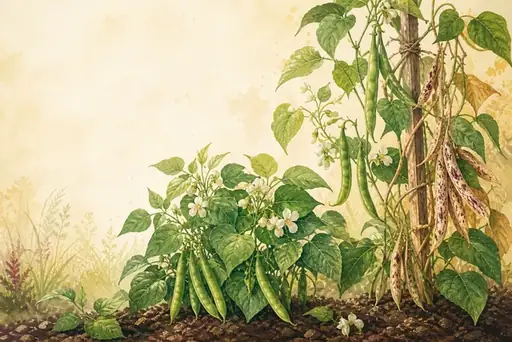
Seed to Harvest Growing Guide
How to grow beans
A practical guide to direct sowing beans, supporting vigorous vines, protecting flowers and pods, and harvesting snap, shell, or dry beans at peak quality.
Direct sow after soil warmsKeep moisture steady during bloomPick often for tender snap beans Shop bean seed →Start the guide ↓ Crop family: Legume SowDirect outdoorsAfter frost in 60°F+ soil DepthAbout 1 inchFirm, well-drained seedbed SunFull sunAt least 6–8 hours Spacing2–3 inchesBush beans; follow pole packet Harvest50–90+ daysDepends on bean type and useBefore you begin
Match the bean to the harvest you want.
Beans are warm-season legumes that germinate best in warm, well-drained soil. Bush plants give a concentrated crop without support; pole beans climb and usually bear over a longer period.
Best first decisionChoose snap beans for tender pods, shell beans for fresh seeds, or dry beans for fully mature seed—and plan support before sowing pole types.Build your bean-growing plan
Plan the row, support, seed quantity, and harvest rhythm.
Find your sowing window, lay out bush and pole rows, calculate seed needs, and schedule successive bush-bean plantings.
When to plant beansFind your local direct-sow windowEnter your ZIP code to check when warm-season bean sowing fits your USDA zone and current season.Check bean timing → Lay out the bean bedSeparate bush rows and pole supportsReserve sunny row space and keep trellised beans from shading shorter crops.Plan the bean bed → How much bean seedCalculate the seed you needEstimate seed quantity from row length, spacing, number of sowings, and bean types.Calculate bean seed → Keep snap beans comingPlan succession sowingsSow bush beans at roughly two- to three-week intervals while enough frost-free time remains.Plan bean successions →Beans at a glance
The path from seed to harvest
Select any milestone to jump directly to its full instructions.
01PlanBefore soil reaches 60°F02SowAfter frost in warm soil03EstablishFirst 2–3 weeks04FlowerBloom through pod set05ProtectScout at least weekly06HarvestAbout 50–90+ daysStage 1–3
Plan, sow, and establish
Beans perform best when seed goes directly into genuinely warm soil and shallow roots remain undisturbed.
01Choose the right bean
Match growth habit and harvest stage to your garden and kitchen.
- Bush beans mature in a compact row and work well for succession sowing.
- Pole beans need a sturdy trellis and usually provide a longer picking window.
- Choose snap, shell, lima, or dry beans according to how you intend to harvest them.
Wait for warm soil
Direct sow after frost when soil is at least 60°F. Plant about 1 inch deep and 2–3 inches apart for typical bush beans, adjusting to the packet for other types.
Germination targetWarm, evenly moist—not saturated—soil and emergence commonly within about 7–10 days. 03Protect shallow roots
Water after sowing, guide pole seedlings to supports, and cultivate only near the surface.
- Install pole supports before vines begin to run.
- Thin or replant gaps without disturbing neighboring roots.
- Keep young rows weed-free with shallow hoeing or hand pulling.
- Do not work among wet plants because contact can spread disease.
Stage 4
Care from leaf growth through pod set
Steady moisture during flowering, dry foliage, and careful root protection keep beans productive.
WWater
Water at soil level and keep moisture steady, especially during bloom and pod sizing. Drought can cause flower drop and stringy pods.
FFeed lightly
Follow a soil test. Excess nitrogen encourages leaves and delays flowering; healthy legumes often need less added nitrogen than other vegetables.
SSupport
Give pole beans a tall, sturdy trellis from the start. Guide young vines as needed and keep support accessible for frequent picking.
MMulch
After soil warms, mulch to conserve water and suppress weeds without burying stems or cultivating across shallow roots.
Growth checkpoints
Know what to watch for.
Use development—not only the calendar—to time support, water, scouting, and harvest.
7–10 daysEmergence
Look for an even stand; cold, crusted, or saturated soil commonly causes gaps and decay.
Early growthTrifoliate leaves
Keep weeds small, avoid deep cultivation, and guide pole types onto their support.
First flowersPod set
Maintain even moisture and avoid excess nitrogen or heat stress that can reduce pod formation.
Pods fillingHarvest rhythm
Pick snap beans frequently, let shell beans plump, or allow dry-bean pods to mature fully.
Stage 5
Diagnose bean problems early
Open a symptom to compare what you see, likely causes, and the next practical check.
PestMexican bean beetleLacy, skeletonized leaves with yellow larvae underneathInspect leaf undersides for clusters of yellow eggs, spiny yellow larvae, and copper-colored spotted adults. Handpick in small plantings, remove heavily infested leaves, and monitor young plants closely before damage slows growth.
DiseaseBean rustSmall cinnamon-orange pustules, often beginning below leavesChoose resistant varieties where rust is common, provide airflow, water at soil level, avoid handling wet foliage, rotate away from beans, and clear infected residue after harvest.
DiseaseBacterial blightWater-soaked angular leaf spots, yellow halos, or sunken pod lesionsBegin with clean seed, keep overhead irrigation and work in wet plants to a minimum, remove badly affected plants and residue, and rotate the bed. Several diseases resemble one another, so confirm uncertain symptoms locally.
DiseaseBean mosaic virusMottled, puckered leaves with stunting and reduced pod setRemove infected plants rather than composting them, manage nearby weeds and aphid pressure, and choose resistant varieties. Do not save seed from symptomatic plants.
Stage 6
Harvest for the bean you intend to use
Snap, shell, and dry beans are harvested at different stages. Pick when foliage is dry, hold the stem with one hand, and remove pods gently so productive plants keep flowering.
- Snap beans: Pick firm, crisp pods at full length before seeds visibly bulge; harvest every few days.
- Shell beans: Wait until seeds are plump but pods remain flexible and green.
- Dry beans: Leave pods until yellow-brown and dry, then shell and dry the seed completely before storage.
Choose with purpose
Find the right bean for your garden
Match growth habit and harvest use to your space, support system, season length, and kitchen plans.
Start with proven favoritesBest-Selling BeansCompare popular bush, pole, snap, shelling, and dry bean varieties in one collection.Shop best-selling beans → Compact and dependableBlue Lake 274 Bush BeanA familiar bush snap bean for gardeners who want concentrated harvests without a trellis.Shop Blue Lake 274 → Compact and easy to growBush BeansBrowse compact bean varieties that need no trellis and produce a concentrated harvest for fresh eating, freezing, or preserving.Shop bush beans →Questions gardeners ask
Bean growing FAQ
Quick answers for sowing, support, succession planting, pod set, harvest, and storage.
Should bean seeds be started indoors?Beans are usually direct sown because their roots dislike disturbance and the large seeds germinate quickly in warm soil. If a very short season requires a head start, use individual biodegradable pots and transplant gently after hardening.
How warm should the soil be before sowing beans?Wait until the danger of frost has passed and the soil is at least about 60°F. Cold, wet soil delays germination and increases the chance that seed will rot.
Should bean seed be soaked before planting?Soaking is generally unnecessary. Bean seed absorbs water rapidly, and prolonged soaking or sowing into saturated soil can damage seed and encourage decay.
What is the difference between bush and pole beans?Bush beans stay compact and usually produce a concentrated crop. Pole beans climb a trellis and often produce over a longer period, but need sturdy support installed at planting.
How often can I sow bush beans for a continuous harvest?Make another short row about every 14–21 days while enough frost-free growing time remains. Stop when a new planting is unlikely to mature before cool weather or frost.
Why did my bean seeds fail to emerge?Common causes include cold or waterlogged soil, planting too deeply, crusted soil, damaged seed, or seed-feeding pests. Dig up one or two seeds to see whether they are swollen, rotted, or missing before reseeding.
Do beans need nitrogen fertilizer?Beans can form a partnership with soil bacteria that supplies much of their nitrogen. In reasonably fertile soil, excess nitrogen can create lush leaves while delaying flowers and pods. Use a soil test and avoid heavy nitrogen applications.
Why are bean flowers dropping without making pods?Heat, drought, abrupt temperature swings, or other stress can interrupt pod set. Keep roots evenly moist during flowering and pod development; production often resumes when conditions improve.
How should pole beans be supported?Use a tall, secure trellis, teepee, netting, or fence placed before vines begin running. Guide young vines toward the support and keep the structure strong enough for wind and a full crop.
When should snap beans be picked?Harvest when pods are full length, firm, and crisp but before seeds bulge prominently. Pick every few days and handle stems gently; leaving mature pods can slow new production.
Can snap beans be left to become dry beans?Some varieties can be used at more than one stage, but texture, flavor, seed size, and drying quality vary. Check the variety description before relying on a snap bean as a storage bean.
How should harvested beans be stored?Cool snap beans promptly and refrigerate them unwashed in a breathable or perforated container. Dry beans must be completely dry before they are sealed and stored in a cool, dry place.
Ready to plant?
Choose beans for your garden.
Compare bush and pole habits, days to maturity, pod color, harvest use, disease resistance, and packet size.
Shop all bean seed →

Questions & discussion