
How to grow blue false indigo
Native Species · Seed to Bloom How to grow blue false indigo Establish long-lived Blue False Indigo for deep blue spring flowers, handsome foliage, pollinator value, and durable garden structure. Start seed correctlyMatch the habitatSupport wildlife Shop blue indigo seed →Start the guide ↓ Life.
Native Species · Seed to Bloom
How to grow blue false indigo
Establish long-lived Blue False Indigo for deep blue spring flowers, handsome foliage, pollinator value, and durable garden structure.
Start seed correctlyMatch the habitatSupport wildlife Shop blue indigo seed →Start the guide ↓ Life cyclePerennialZones 3–9Sow depth1/4 inchFirm coverPretreatmentHot-water scarificationSoften hard seedSpacing3–4 feetMature shrub-like clumpGermination10–21 daysAfter treatmentNative plant profile
Match the species to its lasting site.
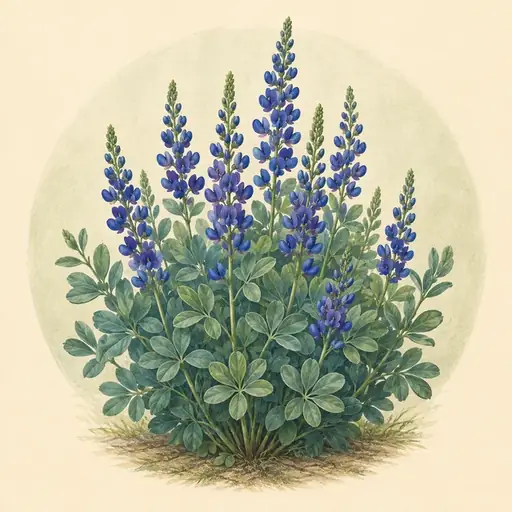
Blue False Indigo (Baptisia australis) is a substantial native perennial with blue-green trifoliate foliage and indigo flower spikes. Mature plants develop deep roots, tolerate lean soil, and remain handsome long after the spring bloom ends.
Native-range cueThe Product Master records native regions across Appalachia, the Great Lakes, Southeast, and South Central states. Its long-lived crown is best placed where it can mature without frequent disturbance.Blue False Indigo at a glance
From prepared seed to established bloom
01ScarifyHot water02Sow1/4 inch03Sprout10–21 days04Space3–4 feet05RootBuild taproot06BloomLate springEstablishment
Prepare the seed, then protect early roots
Treat the hard seed coat with hot-water scarification, then sow about 1/4 inch deep. Keep evenly moist through the 10–21 day germination window. Transplant carefully while seedlings are young and space permanent plants 3–4 feet apart.
01Follow the pretreatment
Use the crop-specific preparation shown in the facts and timeline.
02Sow at the listed depth
Use clean medium, gentle watering, and a weed-free surface.
03Harden and place permanently
Acclimate seedlings for 7–10 days and honor the mature spacing.
Ongoing care
Use four simple habits
Maximize sun
Full sun supports dense growth and the strongest display of indigo flower spikes.
Water the first season
Build the deep root system with regular establishment water, then irrigate mainly during extended drought.
Allow mature width
Give each crown 3–4 feet and avoid crowding it with fast-spreading neighbors.
Delay major cutting
Enjoy the seedpods and foliage, then cut old stems near the ground in late winter or early spring.
Establishment checkpoints
Watch the plant build toward bloom.
10–21 daysSeedlings emerge
First seasonTaproots deepen
Years 2–3Clumps gain size
Late springIndigo spikes open
Bloom, cutting, and habitat
Cut selectively and keep habitat in the garden
Cut flower stems when roughly one-third of the florets are open. For decorative pods, leave selected spikes until pods are fully formed and beginning to darken. Avoid repeated division or transplanting of established crowns.
Urban Farmer selections
Blue Indigo from Urban Farmer
Questions native gardeners ask
Blue False Indigo growing FAQ
How should Blue False Indigo seed be treated?The Product Master specifies hot-water scarification to soften the hard seed coat before sowing.
How soon will it bloom?Seed-grown Baptisia often spends its early seasons building roots; flowering strengthens as the clump matures.
Can established plants be moved?Moving is difficult because mature plants develop deep roots. Choose the permanent site carefully.
How much room does it need?Allow 3–4 feet between plants for the mature shrub-like clump.
Ready to plant?
Questions & discussion