
How to grow coneflower
Native Species · Seed to Bloom How to grow coneflower Establish native coneflowers for deep-rooted resilience, summer pollinators, durable bouquets, and autumn seedheads. Start seed correctlyMatch the siteSupport wildlife Shop coneflower seed →Start the guide ↓ Life cyclePerennialZones 3–8Sow.
Native Species · Seed to Bloom
How to grow coneflower
Establish native coneflowers for deep-rooted resilience, summer pollinators, durable bouquets, and autumn seedheads.
Start seed correctlyMatch the siteSupport wildlife Shop coneflower seed →Start the guide ↓ Life cyclePerennialZones 3–8Sow depth1/2 inchFirm light coverPretreatment30 cold-moist daysImproves emergenceSpacing12–18 inchesOpen clumpsBloomSummer–fallBird seed followsNative plant profile
Choose by species and habitat.
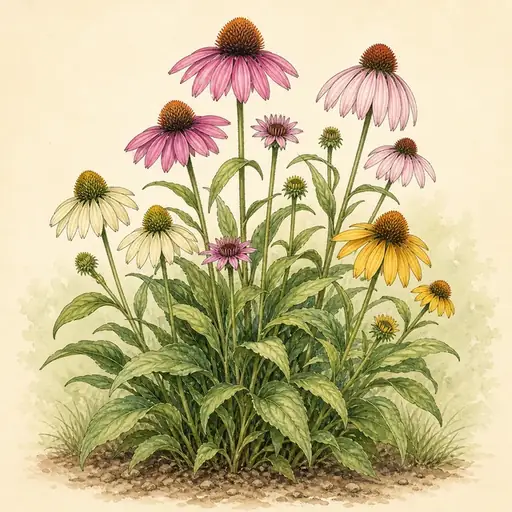
The collection includes purple coneflower (Echinacea purpurea), pale purple coneflower (E. pallida), and yellow coneflower (Ratibida pinnata). Species differ in ray shape, bloom timing, and native range, but all favor sun and well-drained soil.
Native-range cueUse the Product Master state records and a local flora reference before restoration planting.Coneflower at a glance
From seed to coneflower bloom
Use the growing path to time pretreatment, planting, establishment, and bloom.
01Chill30 moist days02SowLight cover03Sprout7–30 days04Space18–24 inches05BranchBuild airflow06BloomMidsummerEstablishment
Build a clean seedbed and steady early roots
Cold-moist stratify seed for 30 days, sow about 1/2 inch deep, and expect emergence in roughly 10–30 days. Harden seedlings before spacing them 12–18 inches apart in full sun.
01Prepare the seed
Follow the pretreatment and depth shown above.
02Protect emergence
Use gentle watering, strong light, and a weed-free surface.
03Harden and transplant
Acclimate seedlings for 7–10 days before planting into their final site.
Ongoing care
Use four simple habits
Maximize sun
Use six or more hours for sturdy stems and abundant bloom.
Establish deep roots
Water the first season, then deeply during prolonged drought.
Keep crowns open
Avoid crowding and persistently wet winter soil.
Share the seedheads
Cut selected flowers and leave late cones for birds.
Native establishment checkpoints
Expect roots and structure before peak flowering.
Watch the plant's pace rather than forcing growth with fertilizer.
10–30 daysSeedlings emerge
Keep weeds controlled and respond to moisture, light, and spacing.
First summerCorms enlarge
Keep weeds controlled and respond to moisture, light, and spacing.
Year two onwardSpikes strengthen
Keep weeds controlled and respond to moisture, light, and spacing.
MidsummerTop-down bloom opens
Keep weeds controlled and respond to moisture, light, and spacing.
Useful diagnostics
Remove distorted plants that never recover
Severe stunting, green distorted flowers, and witches'-broom growth can indicate aster yellows. Remove the entire plant; it cannot be cured.
Bloom, seed, and habitat
Harvest selectively and leave ecological value standing
Cut when the upper florets begin opening, dry selected spikes for crafts, and leave remaining stems to mature seed and support wildlife.
Urban Farmer selections
Choose a variety matched to your site
Questions native gardeners ask
Coneflower growing FAQ
How much sun is best?Full sun produces the strongest flowering and stem quality.
When should seedlings be transplanted?After hardening for 7–10 days and once severe frost risk has passed.
Should every seedhead be removed?No. Leave selected heads for birds, seed, and winter habitat.
Is every selection native everywhere?No. Confirm the botanical species and its regional range.
Ready to plant?
Add native bloom and habitat.
Choose a selection matched to your region, moisture, and garden purpose.
Shop blazing star seed →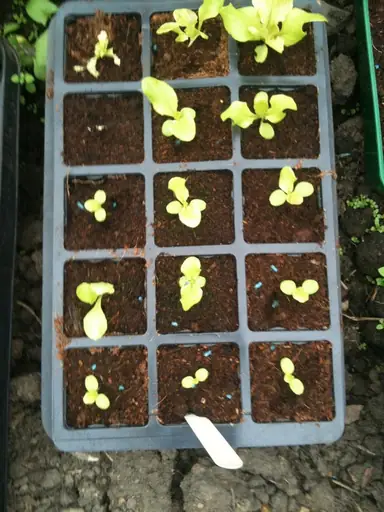
Questions & discussion