
How to grow fennel
Seed to Harvest Growing Guide How to grow fennel A practical guide to choosing bulb-forming Florence fennel, sowing with minimal root disturbance, preventing stress and bolting, and harvesting crisp bulbs, aromatic fronds, or seed. Choose Florence for bulbsKeep moisture even throughout.
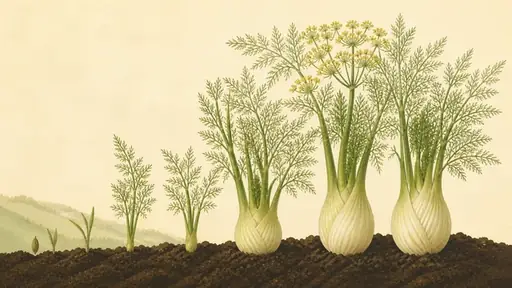
Seed to Harvest Growing Guide
How to grow fennel
A practical guide to choosing bulb-forming Florence fennel, sowing with minimal root disturbance, preventing stress and bolting, and harvesting crisp bulbs, aromatic fronds, or seed.
Choose Florence for bulbsKeep moisture even throughout growthHarvest firm before flowering Shop fennel seed →Start the guide ↓ Crop family: Apiaceae SeasonMild weatherCool, steady growthDepth1/4–1/2 inchDirect sow when possibleLightFull sunFertile, drained soilSpacing10–12 inchesRoom for bulb growthHarvestFirm and roundedBefore the stalk risesBefore you begin
Decide whether the goal is bulbs or herbs.
Florence fennel forms the swollen layered leaf base commonly called a bulb. Herb or common fennel is grown for feathery leaves, pollen, flowers, and seed—and will not make the same market-style bulb.
Best first decisionFor bulbs, choose Florence fennel and schedule growth through mild weather. Heat, long days, drought, crowding, and root disturbance can push stressed plants toward flowering instead of bulbing.Build your fennel-growing plan
Plan the sowing window, bed space, seed quantity, and target harvest.
Bulb fennel succeeds when its maturity lands in a mild, evenly watered period rather than the most stressful part of summer.
When to sow fennelFind your local planting windowUse your ZIP code to connect spring or midsummer sowing with a mild bulb-development period.Check fennel timing →Lay out the fennel bedReserve a sunny, easy-to-water rowGive each bulb 10–12 inches and leave access for shallow weeding, hilling, and harvest.Plan the fennel bed →How much fennel seedCalculate the seed you needEstimate seed from row length and final spacing, allowing enough for thinning to the strongest plants.Calculate fennel seed →Plan the harvest dateLand maturity in mild weatherWork backward from the target bulb harvest using the variety’s maturity and your local conditions.Calculate fennel timing →Fennel at a glance
The path from seed to harvest
Select any milestone to jump directly to its full instructions.
01ChooseBefore sowing02SowSpring or midsummer03ThinAbout 1 inch tall04GrowCool, steady conditions05ProtectScout weekly06HarvestAt full variety sizeStage 1–3
Direct sow and protect the taproot
A smooth start and prompt thinning let Florence fennel build an uninterrupted framework for bulb growth.
01Prepare a fertile bed
Choose full sun and loose, organic-rich soil that holds moisture yet drains freely.
- Plan irrigation before sowing.
- Avoid low spots that remain saturated.
- Choose Florence—not common fennel—when bulbs are the goal.
Sow shallowly
Direct sow 1/4–1/2 inch deep in spring after hard-frost danger or in midsummer for a fall crop. Keep the surface evenly moist through germination.
Minimize root disturbanceIf starting in containers, move seedlings young and keep the root ball intact. Direct sowing is usually simpler for this taprooted crop. 03Thin without pulling
When seedlings are about 1 inch tall, snip extras so the strongest bulb plants stand 10–12 inches apart.
- Do not leave crowded clusters.
- Water after thinning.
- Weed shallowly around roots.
- Use clean thinnings as tender garnish.
Stage 4
Keep bulb growth even and unstressed
Uniform moisture is the central requirement: drought checks growth and can trigger bolting, while saturated soil invites rot.
WWater consistently
Keep the root zone evenly moist with deep irrigation; do not alternate drought with heavy watering.
MMulch lightly
After establishment, mulch to moderate soil moisture and temperature without burying the crown.
FFeed steadily
Begin with compost-rich soil and follow a soil test; use balanced feeding rather than heavy late nitrogen.
BBlanch if desired
When the bulb is egg-sized, draw a little soil around it for a paler, tender base while keeping drainage open.
Growth checkpoints
Know what to watch for.
Use leaf-base shape and the center of the plant to decide when to thin, hill, water, and harvest.
Seedling stageClean emergence
Fine upright leaves appear in a moist, weed-free row.
About 1 inch tallFinal thinning
Plants stand singly with 10–12 inches for future bulb expansion.
Egg-sized baseBulb swelling
Layered leaf bases broaden above the soil; maintain water and hill lightly if desired.
Center elongatesBolting watch
Harvest immediately if the center stretches upward instead of continuing to thicken.
Stage 5
Diagnose fennel problems early
Fennel is often trouble-light, but stress and wet soil can quickly reduce bulb quality.
PestAphidsClusters, curling, and sticky growthInspect tender stems and leaf bases, wash off small colonies, conserve beneficial insects, and remove badly distorted shoots. Use only controls labeled for edible fennel if pressure persists.
Wildlife visitorSwallowtail caterpillarsStriped larvae eating feathery foliageFennel is a valuable host plant for swallowtail butterflies. Tolerate modest feeding when possible, grow extra herb fennel for larvae, or gently relocate caterpillars to another unsprayed host rather than using broad-spectrum insecticide.
DiseaseRoot or crown rotYellowing, collapse, and dark soft tissue in wet soilImprove drainage, reduce excess irrigation, remove badly affected plants, and avoid burying the crown. Rotate crops and do not work saturated beds where soil can compact around roots.
Growth stressBolting or no bulbA rising flower stalk and narrow leaf basesConfirm the variety is Florence fennel, keep moisture even, avoid root injury and crowding, and time the crop for mild conditions. Once a flower stalk rises, harvest usable stems and fronds because bulb expansion will not recover.
Stage 6
Harvest each fennel type at its best stage
Take Florence bulbs while dense and tender, herb foliage whenever needed, and mature seed only after flower heads dry and brown.
- Bulbs: Cut just below soil level when rounded, firm, and about tennis-ball to 4-inch size.
- Fronds: Snip selectively throughout growth without stripping a bulb crop of all foliage.
- Seed: Cut brown umbels into a paper bag and finish drying in a ventilated place.
Choose with purpose
Select a bulb-forming fennel for the kitchen
Both verified Urban Farmer varieties form edible Florence-style bulbs; compare tradition, uniformity, flavor, and maturity.
Classic open-pollinated typeFlorenceGrow traditional bulbous stems with aromatic fronds and a delicate anise flavor for raw or cooked dishes.Shop Florence →Uniform hybridAntares F1Choose refined, consistent white bulbs with crisp texture and a sweet, improved anise flavor.Shop Antares →Questions gardeners ask
Fennel growing FAQ
Quick answers for types, sowing, spacing, moisture, bolting, wildlife, containers, and harvest.
What kind of fennel forms a bulb?Florence fennel forms the swollen layered leaf base sold as a bulb. Common or herb fennel is grown mainly for fronds, pollen, flowers, and seed.
When should Florence fennel be planted?Sow after hard-frost danger for a spring crop or in midsummer so bulb development occurs during cooler late-summer and fall weather. Local timing varies.
How deep should fennel seed be planted?Sow 1/4–1/2 inch deep in fine soil and keep the surface evenly moist through germination.
Should fennel be direct sown?Direct sowing is preferred because fennel has a taproot and dislikes disturbance. If transplanting, use young seedlings and keep root balls intact.
How far apart should bulb fennel be spaced?Thin Florence fennel to 10–12 inches apart. Crowding limits airflow and leaves too little room for broad bulbs.
Does fennel need full sun?Yes. Use full sun and fertile, well-drained soil with convenient irrigation. Light shade can reduce growth and delay strong bulb formation.
Why did my fennel bolt?Heat, long days, drought, crowding, root damage, or other stress can trigger flowering. Time the crop for mild weather and keep growth continuous.
Why is my fennel not making a bulb?First confirm it is Florence fennel. Common fennel will not form the same bulb. Then check spacing, moisture, sowing date, and whether the center is already bolting.
How often should fennel be watered?Water deeply whenever needed to keep soil evenly moist, not saturated. Consistency matters more than a fixed schedule because soil and weather differ.
Should swallowtail caterpillars be removed?They become beneficial pollinating butterflies. Accept modest feeding, provide extra host plants, or gently move larvae to another unsprayed fennel, dill, or parsley-family host.
Can fennel grow in containers?Yes. Use a deep, wide container with drainage and give one bulb plant ample room. Containers dry quickly, so monitor moisture closely.
When is a fennel bulb ready to harvest?Cut it when firm, rounded, and about tennis-ball to 4-inch size, before the center elongates into a flower stalk.
Ready to plant?
Choose fennel for your garden.
Compare classic Florence and uniform Antares F1 bulbs, then time maturity for mild weather and steady growth.
Shop all fennel seed →
Questions & discussion