
How to grow native ornamental grass
Native Grass · Seed to Established Stand How to grow native ornamental grass Establish native warm-season grasses for deep roots, erosion resistance, wildlife cover, seasonal movement, and durable prairie structure. Prepare seed correctlyMatch the habitatSupport wildlife Shop native ornamental.
Native Grass · Seed to Established Stand
How to grow native ornamental grass
Establish native warm-season grasses for deep roots, erosion resistance, wildlife cover, seasonal movement, and durable prairie structure.
Prepare seed correctlyMatch the habitatSupport wildlife Shop native ornamental grass seed →Start the guide ↓ Life cyclePerennialWarm-season nativesSow depth1/16 inchVery shallow coverPretreatmentNone listedFeatured grassesSpacing18–36 inchesSpecies dependentGermination10–30 daysWarm soilNative plant profile
Match the species to its lasting site.
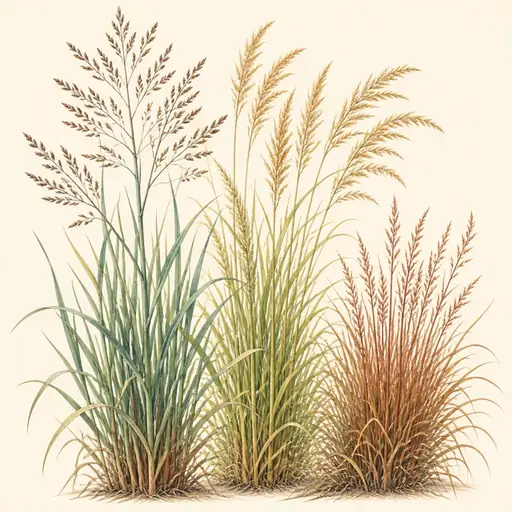
Native ornamental grasses range from four-foot Little Bluestem to seven-foot Indiangrass and eight-foot Big Bluestem. They build deep fibrous roots, protect soil, shelter wildlife, and hold attractive seedheads and color through winter.
Native-range cueThis guide focuses on North American species classified as Native Grasses in the Product Master. Match exact species, mature height, moisture preference, and native range before restoration use.Native Ornamental Grass at a glance
From prepared seed to an established planting
01PrepareFirm weed-free soil02Sow1/16 inch03WarmWait for warm soil04Thin18–36 inches05RootSlow first season06StandYear two onwardEstablishment
Prepare the seed, then protect early roots
The featured grasses list no pretreatment and a shallow 1/16-inch sowing depth. Press seed into a firm, weed-free surface, cover barely, and keep moist as warm soil triggers germination. Expect more root than top growth the first season.
01Prepare a clean seedbed
Control weeds first and use a fine, firm surface.
02Sow at the listed depth
Use gentle watering and keep the surface evenly moist.
03Thin or transplant carefully
Honor mature spacing and match the permanent habitat.
Ongoing care
Use four simple habits
Maximize sun
Use six or more hours for upright stems, dense crowns, and mature fall color.
Establish, then taper
Water consistently during the first season; established prairie species need less supplemental water.
Control weeds early
Keep a clean ring around young crowns because slow first-year seedlings compete poorly with aggressive weeds.
Wait until late winter
Leave foliage and seedheads for wildlife and winter interest, then cut before new spring growth begins.
Establishment checkpoints
Watch the planting build toward maturity.
10–30 daysSeedlings emerge
First summerRoots outrun shoots
Second seasonClumps gain height
Late summer–winterSeedheads and color mature
Bloom, seed, and habitat
Keep wildlife value in the garden
Cut seedheads when fully formed for fresh or dried arrangements, but leave most standing for birds and winter habitat. Cut old foliage to 4–8 inches in late winter before new warm-season growth begins.
Urban Farmer selections
Choose a native selection for your site
Questions native gardeners ask
Native Ornamental Grass growing FAQ
Do these native grasses need stratification?The featured Product Master records list no pretreatment.
Why is first-year growth slow?Warm-season prairie grasses invest heavily in deep root systems before producing mature top growth.
When should old foliage be cut?Leave it through winter and cut to 4–8 inches in late winter before new shoots emerge.
Which featured grass is shortest?Little Bluestem is listed around four feet; Big Bluestem and Indiangrass are much taller.
Can native grass control erosion?Dense fibrous roots help hold soil, especially after a stand is fully established.
Ready to plant?
Questions & discussion