
How to grow native poppy
Native Species · Seed to Bloom How to grow native poppy Establish California poppies from surface-sown seed for vivid cool-season color, lean-soil resilience, bees, and natural reseeding. Prepare seed correctlyMatch the habitatSupport wildlife Shop native poppy seed →Start the guide ↓ Life.
Native Species · Seed to Bloom
How to grow native poppy
Establish California poppies from surface-sown seed for vivid cool-season color, lean-soil resilience, bees, and natural reseeding.
Prepare seed correctlyMatch the habitatSupport wildlife Shop native poppy seed →Start the guide ↓ Life cycleAnnualShort-lived perennial in mild zonesSow depthSurfaceNeeds lightTimingFall sow recommendedProduct MasterSpacing6–18 inchesThin seedlingsGermination7–14 daysCool soilNative plant profile
Match the species to its lasting site.
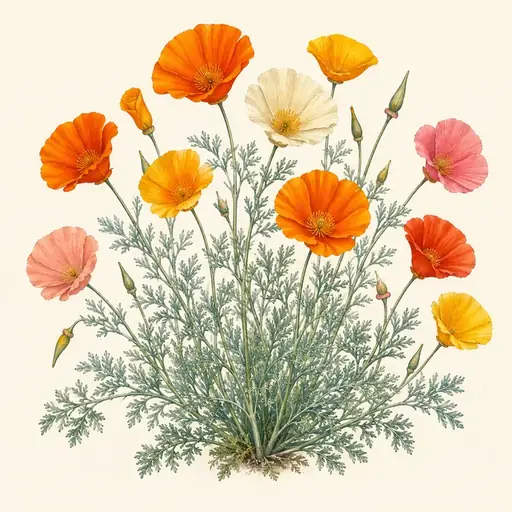
California Poppy (Eschscholzia californica) has finely divided blue-green foliage and luminous cups that open by day and close at night. The native-focused selections include classic orange and multicolor garden forms of the same western species.
Native-range cueThe Product Master records this species across the hot desert, Pacific Northwest, Southwest, and West. Treat it as a regional native there and an ornamental annual elsewhere.Native Poppy at a glance
From prepared seed to an established planting
01PrepareLean open soil02ScatterSurface sow03PressDo not bury04Thin6–18 inches05DryAvoid rich wet soil06BloomSpring–early summerEstablishment
Prepare the seed, then protect early roots
Direct sow on the soil surface in fall where winters are suitable, or in very early spring. Press seed firmly without covering, keep the surface moist until emergence, and thin rather than transplant because poppies dislike root disturbance.
01Prepare a clean seedbed
Control weeds first and use a fine, firm surface.
02Sow at the listed depth
Use gentle watering and keep the surface evenly moist.
03Thin or transplant carefully
Honor mature spacing and match the permanent habitat.
Ongoing care
Use four simple habits
Maximize sun
Use six or more hours for open flowers, compact growth, and saturated color.
Keep soil lean and draining
Water seedlings evenly, then reduce irrigation as roots establish.
Thin without transplanting
Leave 6–18 inches and remove extras while small to protect developing taproots.
Let selected pods mature
Deadhead for tidiness or retain dry pods where natural reseeding is welcome.
Establishment checkpoints
Watch the planting build toward maturity.
7–14 daysSeedlings emerge
3–5 weeksFerny rosettes expand
SpringFirst cups open
Early summerPods begin to mature
Bloom, seed, and habitat
Keep wildlife value in the garden
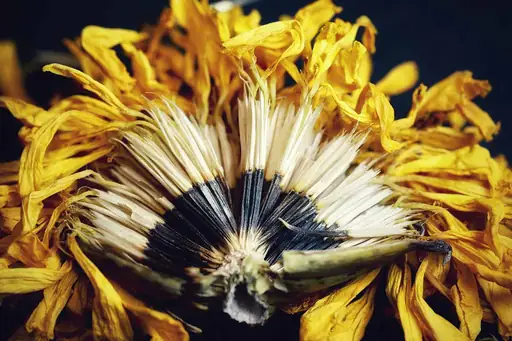
Cut buds just as they begin to crack and show color, searing or briefly flaming cut stem ends if desired for vase use. Let selected pods dry fully before collecting seed.
Urban Farmer selections
Choose a native selection for your site
Questions native gardeners ask
Native Poppy growing FAQ
Should California poppy seed be buried?No. Surface sow and press firmly because the fi needs light.
When is the best sowing time?The Product Master recommends fall sowing; very early spring is another option in colder regions.
Can poppies be transplanted?Direct sowing is preferable because young taproots resent disturbance.
Will California poppies reseed?Yes, where pods mature and seed reaches open soil.
Ready to plant?
Questions & discussion