
How to grow ornamental grass
Flower Garden · Seed to Display How to grow ornamental grass Grow ornamental grasses and grass-like plants for movement, texture, plumes, dramatic foliage, and four-season structure. Match species to siteAllow mature widthLeave winter structure Shop ornamental grass →Start the guide ↓ Plant.
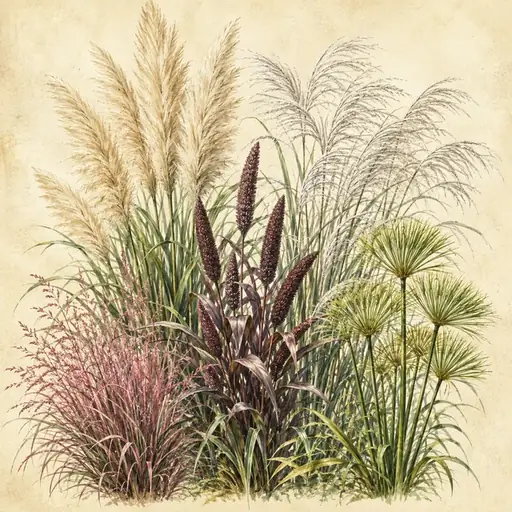
Flower Garden · Seed to Display
How to grow ornamental grass
Grow ornamental grasses and grass-like plants for movement, texture, plumes, dramatic foliage, and four-season structure.
Match species to siteAllow mature widthLeave winter structure Shop ornamental grass →Start the guide ↓ Plant groupGrasses, sedges and alliesSpecies varySow depthSurface to ¼ inchSeed dependentGermination10–30+ daysSpecies dependentSpacing12 inches–6 feetMature sizeHeight1–12 feetSelection dependentFlower profile
Choose the plant by height, moisture, and garden role.
The ornamental-grass collection spans moisture-loving papyrus, shade-tolerant sedges, airy ruby grass, tall pampas, miscanthus, and bold pearl millet. Treat the product description as the final authority for each species.
This is a category guide, not one universal recipeHardiness, moisture, sowing temperature, and final size vary widely. Confirm the selected product before placing it in the garden.ornamental grass at a glance
From seed to a distinctive garden display
01ChooseMatch site02SowSpecies depth03Sprout10–30+ days04PlantAllow width05PlumeSeasonal display06RestWinter structurePlanting
Start with the mature plant, then work backward.
Choose the desired height and site tolerance first. Start fi shallowly, provide the recommended temperature, and transplant only after roots hold the plug.
01Read the variety description
Confirm moisture, light, hardiness, and mature size.
02Sow at the species depth
Fi is usually surface sown or barely covered.
03Space for mature width
Do not crowd tall clumps near paths or structures.
Ongoing care
Keep plants healthy and attractive
Match the light
Most plume grasses favor sun; sedges may prefer shade.
Match the water
Papyrus needs moisture while many grasses require drainage.
Cut back at the right time
Leave hardy clumps standing through winter, then cut before spring growth.
Divide crowded clumps
Renew perennial grasses when centers thin or expansion becomes excessive.
Season checkpoints
Follow the plant's visible progress.
10–30+ daysSeedlings emerge
First seasonClumps establish
Late summerPlumes or seedheads form
WinterStructure remains
Garden and design use
Use foliage and plumes fresh or dried.
Cut stems when plumes have opened but before they shed heavily. Many varieties are equally valuable left standing for winter movement and habitat.
- Cut on a dry morning.
- Bundle loosely for drying.
- Wear gloves around sharp leaf edges.
Urban Farmer selections
Compare three contrasting ornamental forms
Questions flower gardeners ask
Ornamental grass growing FAQ
When should ornamental grass seed be started?Follow the seasonal planting guidance above.
How deep should seed be planted?Surface sow to ¼ inch depending on species.
How long does germination take?Often 10–30 days, but species vary.
Does it need full sun?Match light to the selected variety and climate.
How far apart should plants be?Use the mature dimensions in the product description.
Can it grow in containers?Yes, with enough root room and reliable drainage.
How often should it be watered?Water during establishment and whenever the root zone begins to dry.
Should it be fertilized?Use moderate balanced fertility and avoid soft excess growth.
Can it be direct sown?Direct sowing works when soil and seasonal conditions are suitable.
Will it return next year?That depends on the species, winter hardiness, and local conditions.
Ready to plant?

Questions & discussion