
How to grow parsnips
Seed to Root Growing Guide How to grow parsnips Direct sow parsnips in cool soil, protect their slow germination, and harvest sweet tapered roots after cold weather. Use fresh seedKeep the row moistSweeten with frost Shop parsnips →Start the guide ↓ Crop family: Apiaceae SeasonCool.
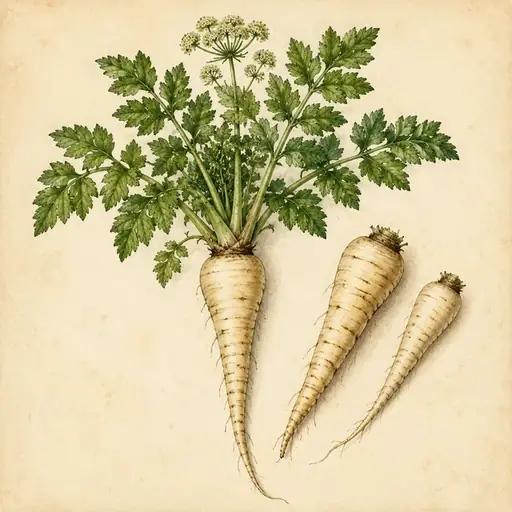
Seed to Root Growing Guide
How to grow parsnips
Direct sow parsnips in cool soil, protect their slow germination, and harvest sweet tapered roots after cold weather.
Use fresh seedKeep the row moistSweeten with frost Shop parsnips →Start the guide ↓ Crop family: Apiaceae SeasonCool weatherLong-season rootSow depth1/2 inchDirect sowGermination14–28 daysKeep evenly moistSpacing3–4 inchesRows 18–24 inchesHarvest110–130 daysBest after frostBefore you begin
Patience at germination pays off at harvest.
Parsnip seed germinates slowly and loses viability faster than many vegetable seeds. Use fresh seed, sow into a deeply prepared bed, and keep the surface consistently moist until seedlings appear.
Mark the slow rowSow a small amount of quick-germinating radish with parsnips to show the row before parsnip seedlings emerge.Build your parsnips-growing plan
Connect timing, garden space, quantity, and harvest.
When to plantFind the local windowDirect sow in early spring for roots that mature into fall.Check planting timing →Place in the gardenReserve the right spaceReserve deep, stone-free soil for long tapered roots.Open the garden planner →How much to plantEstimate planting quantityThin seedlings to 3–4 inches once established.Calculate quantity →Plan the harvestEstimate harvest timingCount from sowing, then use frost and root size as final cues.Plan the harvest date →parsnips at a glance
From slow-germinating seed to frost-sweetened root
01Sow1/2 inch02Wait14–28 days03Thin3–4 inches04LeafSummer growth05SweetenAfter frost06DigLate fallPlanting
Direct sow fresh seed into a deep final bed.
Parsnips dislike transplanting. Loosen soil deeply, remove stones, and sow slightly more thickly than fast-germinating root crops.
01Prepare 12–18 inches deep
Break compaction and avoid fresh manure.
02Sow about 1/2 inch deep
Firm gently and water with a fine spray.
03Maintain surface moisture
Use a light board or fabric cover temporarily, checking daily and removing it at emergence.
Ongoing care
Protect steady root growth through a long season
Use these four priorities to keep plants healthy and productive through the season.
WWater deeply
Aim for about 1 inch weekly and avoid severe wet-dry swings.
TThin early
Leave 3–4 inches so roots can size without crowding.
WWeed carefully
Young seedlings develop slowly and are easy to overrun.
MMulch after establishment
Moderate moisture and keep shoulders from greening.
Season checkpoints
Use emergence, thinning, and cold weather as milestones.
Use plant development—not only the calendar—to decide what the crop needs next.
14–28 daysSeedlings emerge
2–3 inches tallThin the row
SummerRoots lengthen
After frostFlavor sweetens
Diagnose before you treat
Common problems and practical responses
Open a symptom to compare what you see, the likely cause, and the next practical response.
Growing issueCompacted soilForked or stubby rootsPrepare deeply, remove stones, and avoid fresh manure.
PestCarrot rust flyRusty tunnelsUse rotation and insect exclusion where the pest occurs.
Growing issueParsnip cankerDark lesions near the crownRotate crops, improve drainage, avoid crown injuries, and remove affected roots.
DiseaseLeaf spotBrown spotted foliageImprove airflow, keep foliage dry, rotate crops, and clear infected residue.
Harvest
Lift after frost for the sweetest roots.
Loosen deeply beside each root before lifting. Parsnips can remain in cold soil under mulch and be harvested as needed whenever the ground is workable.
- Wear gloves if foliage irritates skin.
- Do not force roots from compact soil; they snap easily.
- Refrigerate unwashed roots in high humidity.
Urban Farmer selections
Grow the classic Hollow Crown parsnip
Questions gardeners ask
Parsnips growing FAQ
Why are parsnips slow to germinate?They naturally germinate slowly, especially in cold or dry soil. Use fresh seed and maintain surface moisture.
Should parsnips be started indoors?No. Direct sow because the taproot is easily distorted by transplanting.
How deep should seed be planted?Sow about 1/2 inch deep.
How far apart should plants be?Thin to roughly 3–4 inches apart.
Why are roots forked?Compaction, stones, fresh manure, or root injury can cause branching.
Can parsnips stay in the ground over winter?In cold climates they can remain under deep mulch while soil is workable; harvest before spring regrowth.
Ready to plant?

Questions & discussion