
How to grow peas
Seed to Harvest Growing Guide How to grow peas A practical guide to direct-sowing cool-season peas, supporting vines, protecting flowers and pods, and harvesting shelling, snap, or snow peas at peak sweetness. Sow early in cool soilSupport vines before they climbPick promptly for sweetness Shop pea.
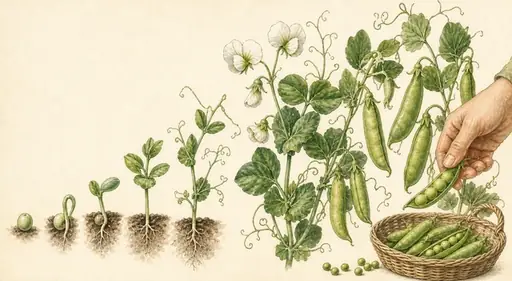
Seed to Harvest Growing Guide
How to grow peas
A practical guide to direct-sowing cool-season peas, supporting vines, protecting flowers and pods, and harvesting shelling, snap, or snow peas at peak sweetness.
Sow early in cool soilSupport vines before they climbPick promptly for sweetness Shop pea seed →Start the guide ↓ Crop family: Fabaceae SeasonCool weatherLight frost tolerantSow depth1–1½ inchesDirect sow outdoorsLightFull sunSome afternoon shade in heatSpacing2 inches18–24 inches between rowsHarvest55–70 daysVaries by typeBefore you begin
Build the crop around cool weather.
Peas grow and taste best in cool conditions. Sow as soon as soil can be worked in spring, or time a late-summer sowing for a fall crop where autumn stays long and mild.
Best first decisionChoose the pea type you want to eat: shelling peas for the seeds, snap peas for plump edible pods, or snow peas for flat tender pods.Build your pea-growing plan
Plan the sowing window, trellis space, seed quantity, and repeat harvests.
Peas prefer a short cool season, and a few small sowings can extend harvest without crowding one bed.
When to plant peasFind your local planting windowUse your ZIP code to connect workable soil and frost timing with cool spring or fall weather.Check pea timing →Lay out the pea bedReserve trellis spacePlace tall vines where they will not shade shorter crops and leave room to harvest both sides.Plan the pea bed →How much pea seedCalculate the seed you needEstimate seed from row length and close 2-inch spacing.Calculate pea seed →Extend the pea harvestPlan staggered sowingsSchedule small sowings 10–14 days apart while enough cool weather remains.Plan pea successions →Peas at a glance
The path from seed to harvest
Select any milestone to jump directly to its full instructions.
01PlanCool season02SowWorkable soil03SupportEarly growth04GrowCool days05ProtectScout weekly06Harvest55–70 daysStage 1–3
Direct sow early and support vines from the start
Peas dislike root disturbance and perform best when their roots establish directly in cool garden soil.
01Prepare the row
Choose well-drained soil in full sun. Install a trellis for vining varieties before sowing so young roots are not disturbed later.
- Avoid waterlogged ground.
- Use a soil test before adding fertilizer.
- Keep nitrogen modest because peas fix their own.
Sow directly
Plant seeds 1–1½ inches deep and about 2 inches apart as soon as soil can be worked. Inoculate seed where peas have not recently grown.
Do not wait for warm soilPeas tolerate cool soil, but seed can rot when cold ground remains saturated. 03Guide young vines
Keep the row evenly moist and gently direct tendrils onto netting, brush, or fencing when plants begin climbing.
- Protect emerging seed from birds if needed.
- Thin only badly crowded seedlings.
- Avoid cultivating deeply near shallow roots.
Stage 4
Protect flowering vines from drought and heat
Steady moisture during bloom and pod fill preserves tenderness and yield as the season warms.
WWater evenly
Provide about 1 inch weekly, focusing water at soil level and never letting flowering vines dry severely.
SSupport tendrils
Keep vines attached to the trellis so leaves receive light and pods remain easy to find.
MMulch lightly
After emergence, a light mulch keeps roots cool, slows weeds, and reduces soil splash.
HBeat the heat
Harvest promptly and use afternoon shade in warm climates; prolonged heat ends production quickly.
Growth checkpoints
Know what to watch for.
Pod shape and seed development determine the right picking stage for each pea type.
After emergenceFirm green growth
Seedlings stand upright without yellowing or collapsing at the soil line.
6–10 inches tallTendrils attached
Vines grip support instead of tangling across the ground.
First flowersEven moisture
Plants stay cool and hydrated as pods begin setting.
Pod fillType-specific cue
Snow pods stay flat, snaps become plump, and shelling peas fill without turning starchy.
Stage 5
Diagnose pea problems early
Open a symptom to compare what you see, likely causes, and the next practical check.
PestPea aphidsCurled tips, sticky leaves, and clustered green insectsCheck growing tips and leaf undersides. Wash off small colonies, protect lady beetles and lacewings, and use insecticidal soap only when labeled and necessary.
PestPea weevilsRound holes in dry seed and damaged peasHarvest promptly, remove crop debris, rotate the bed, and do not save infested seed. Freezing dry seed can kill hidden larvae when appropriate for stored seed.
DiseasePowdery mildewWhite powdery patches spreading across older leavesImprove airflow, water at soil level, avoid late overcrowded plantings, and choose resistant varieties. Remove badly affected vines after harvest.
DiseaseWilt and root rotYellowing, stunting, or collapse despite adequate moistureImprove drainage, remove infected plants, avoid moving contaminated soil, and rotate peas and beans out of the bed for several years. Resistant varieties are the best prevention.
Stage 6
Harvest before sweetness turns to starch
Pick in the cool morning and taste often. Peas lose tenderness rapidly once pods pass their ideal stage.
- Snow peas: Pick pods flat and crisp before seeds swell noticeably.
- Snap peas: Pick plump, glossy pods while walls remain juicy and strings are tender.
- Shelling peas: Pick rounded pods filled with full-size peas before pods become dull or wrinkled.
Choose with purpose
Match pea type to how you want to harvest
Compare a classic shelling pea, an edible-podded snap pea, and a compact early snap for containers.
Shelling peaGreen ArrowA classic heirloom with vigorous 2–3 foot vines and sweet peas for fresh eating, cooking, or freezing.Shop Green Arrow →Tall snap peaSugar SnapA productive garden staple with sweet edible 3-inch pods on vines that can exceed 6 feet with support.Shop Sugar Snap →Compact early snapSugar AnnAn AAS-winning 18-inch plant that bears early edible pods and fits containers or limited urban spaces.Shop Sugar Ann →Questions gardeners ask
Pea growing FAQ
Quick answers for sowing, inoculation, support, watering, heat, containers, problems, and harvest.
When should peas be planted?Sow in early spring as soon as soil can be worked. For fall peas, count backward from frost and allow enough cool weather for the variety to mature.
How deep should pea seed be planted?Plant 1–1½ inches deep, using the deeper end in light soil. Keep soil moist but not saturated until emergence.
How far apart should peas be spaced?Sow about 2 inches apart, with 18–24 inches between rows. Double rows can share a trellis when both sides remain accessible.
Should pea seeds be soaked first?Soaking is usually unnecessary and can damage seed in cold soil. Plant sound seed directly into a moist, well-drained seedbed.
Do peas need inoculant?Not always, but the appropriate Rhizobium inoculant can improve nodulation where peas or related legumes have not recently grown.
Do all peas need a trellis?Tall varieties do. Compact bush peas may stand with little support, but even short plants stay cleaner and easier to pick with low netting.
Can peas tolerate frost?Established seedlings tolerate light frost, but flowers and developing pods are more vulnerable. Hard freezes can damage the crop.
How often should peas be watered?Provide about 1 inch weekly and keep moisture especially even during flowering and pod fill. Avoid waterlogged soil.
Why are my pea plants yellow?Possible causes include saturated soil, root disease, poor nodulation, nutrient imbalance, or natural decline in heat. Inspect roots and drainage before fertilizing.
Can peas grow in containers?Yes. Choose a compact variety, use a deep container with drainage, add support, and monitor water closely as vines flower.
When are peas ready to harvest?Pick snow peas while flat, snap peas when plump but crisp, and shelling peas when pods are rounded and full but still bright green.
How should fresh peas be stored?Cool pods quickly, refrigerate unwashed in a breathable bag, and use within a few days because sugars convert to starch after harvest.
Ready to plant?
Choose peas for your garden.
Compare shelling, snap, snow, compact, tall, organic, heirloom, and disease-resistant varieties.
Shop all pea seed →



Questions & discussion