
How to grow salvia
Native Species · Seed to Bloom How to grow salvia Grow native mealycup sage for long violet-blue flower spikes, compact borders, bouquets, and steady pollinator visits. Prepare seed correctlyMatch the habitatSupport wildlife Shop salvia seed →Start the guide ↓ Life cycleAnnualOften perennial in.
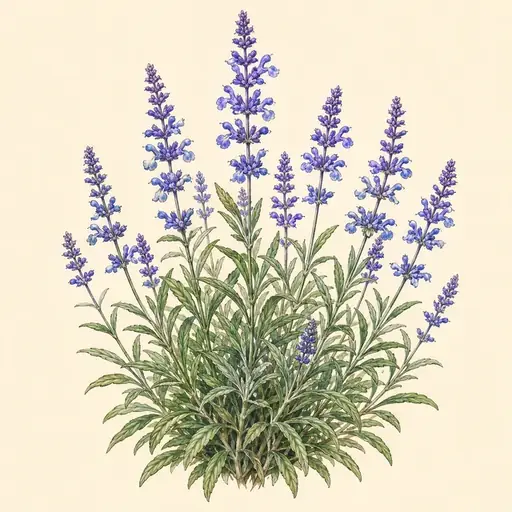
Native Species · Seed to Bloom
How to grow salvia
Grow native mealycup sage for long violet-blue flower spikes, compact borders, bouquets, and steady pollinator visits.
Prepare seed correctlyMatch the habitatSupport wildlife Shop salvia seed →Start the guide ↓ Life cycleAnnualOften perennial in mild climatesSow depthSurface sowNeeds lightPretreatmentNone requiredSow directlySpacing12–18 inchesAllow airflowGermination10–21 daysKeep evenly moistNative plant profile
Match the species to its lasting site.
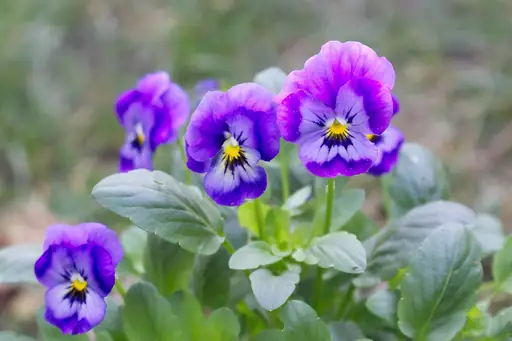
Victoria Salvia (Salvia farinacea) forms a compact, upright clump of violet-blue flower spikes above narrow foliage. This native sage flowers for an extended season and supports bees, butterflies, hummingbirds, and other beneficial insects.
Native-range cueThe Product Master records this species as native to New Mexico, Oklahoma, and Texas. Gardeners outside that range can grow it as a useful warm-season ornamental annual.Salvia at a glance
From prepared seed to an established planting
01PrepareFine open soil02PressSurface sow03Sprout10–21 days04Space12–18 inches05TrimRenew flower spikes06BloomSummer–frostEstablishment
Prepare the seed, then protect early roots
Surface sow seed indoors or outdoors after frost danger, pressing it firmly without covering. Keep the surface consistently moist and bright through germination, then harden seedlings and place them 12–18 inches apart in full sun and well-drained soil.
01Prepare a clean seedbed
Control weeds first and use a fine, firm surface.
02Sow at the listed depth
Use gentle watering and keep the surface evenly moist.
03Thin or transplant carefully
Honor mature spacing and match the permanent habitat.
Ongoing care
Use four simple habits
Maximize sun
Provide six or more hours for sturdy stems and the greatest number of flower spikes.
Water deeply, then ease back
Keep seedlings evenly moist; established plants tolerate short dry periods but bloom best with consistent moisture.
Leave room around clumps
Use 12–18 inch spacing and water near the soil so foliage dries promptly.
Remove spent spikes
Snip fading stems above fresh side shoots to keep new violet-blue flowers coming.
Establishment checkpoints
Watch the planting build toward maturity.
10–21 daysSeedlings emerge
4–6 weeksCompact clumps develop
Early summerFlower spikes begin
Until frostDeadheading renews bloom
Bloom, seed, and habitat
Keep wildlife value in the garden
Cut spikes when the lower florets are open and upper buds still show color. Remove leaves below the water line, recut stems, and refresh vase water regularly.
Urban Farmer selections
Choose a native selection for your site
Questions native gardeners ask
Salvia growing FAQ
Should salvia seed be covered?No. Surface sow and press the seed into the mix because it benefits from light.
How far apart should plants be?Place Victoria Salvia 12–18 inches apart for an open, compact clump.
Does salvia need deadheading?Removing spent spikes encourages side shoots and extends flowering.
Is Victoria Salvia native everywhere?No. The Product Master lists its native range in New Mexico, Oklahoma, and Texas.
Ready to plant?
Questions & discussion