
How to grow sea holly
Native Species · Seed to Bloom How to grow sea holly Establish native Rattlesnake Master for architectural foliage, round ivory flower heads, pollinator value, and durable dried stems. Prepare seed correctlyMatch the habitatSupport wildlife Shop sea holly seed →Start the guide ↓ Life.
Native Species · Seed to Bloom
How to grow sea holly
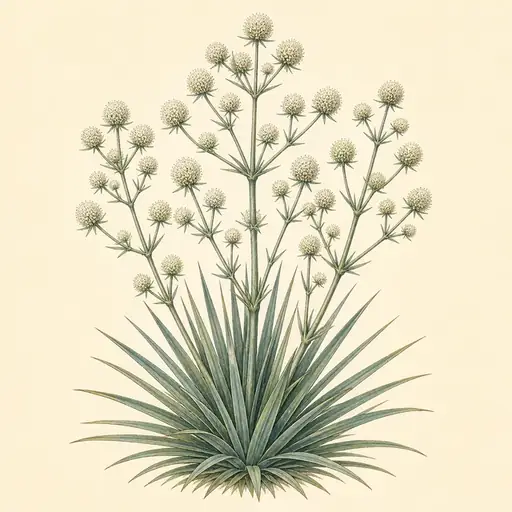
Establish native Rattlesnake Master for architectural foliage, round ivory flower heads, pollinator value, and durable dried stems.
Prepare seed correctlyMatch the habitatSupport wildlife Shop sea holly seed →Start the guide ↓ Life cyclePerennialZones 3–8Sow depth1/8 inchLight coverPretreatment60 cold-moist daysRequiredSpacing18–24 inchesTaprooted clumpsGermination10–30 daysAfter chillingNative plant profile
Match the species to its lasting site.
Rattlesnake Master (Eryngium yuccifolium) is the native member of the Sea Holly group, pairing yucca-like blue-green leaves with branching stems of round ivory flower heads. Its bold form fits prairies, meadows, rain gardens, and cut-flower plantings.
Native-range cueThe Product Master records a native range across Appalachia, the Midwest, Southeast, and South Central regions. Other Sea Holly species sold for gardens may not be North American natives.Sea Holly at a glance
From prepared seed to an established planting
01Chill60 moist days02Sow1/8 inch03Sprout10–30 days04Space18–24 inches05RootAvoid disturbance06BloomMid–late summerEstablishment
Prepare the seed, then protect early roots
Cold-moist stratify seed for 60 days, then sow 1/8 inch deep and maintain even moisture until emergence. Transplant while plants are young, spacing them 18–24 inches apart in full sun; the developing taproot makes mature clumps difficult to move.
01Prepare a clean seedbed
Control weeds first and use a fine, firm surface.
02Sow at the listed depth
Use gentle watering and keep the surface evenly moist.
03Thin or transplant carefully
Honor mature spacing and match the permanent habitat.
Ongoing care
Use four simple habits
Maximize sun
Provide six or more hours to keep stems upright and crowns dense.
Establish deep roots
Water young plants consistently, then irrigate deeply during prolonged dry weather.
Give the crown room
Leave 18–24 inches between plants and avoid burying the crown under heavy mulch.
Leave or dry the heads
Harvest firm flower heads for arrangements or retain some for seed and winter structure.
Establishment checkpoints
Watch the planting build toward maturity.
60 daysCold-moist treatment
10–30 daysSeedlings emerge
First seasonTaproot and crown establish
Mid–late summerIvory globes open
Bloom, seed, and habitat
Keep wildlife value in the garden
Cut stems when the rounded heads are fully formed and most tiny flowers have opened. Use them fresh or hang small bundles upside down in a dry, shaded, airy place.
Urban Farmer selections
Choose a native selection for your site
Questions native gardeners ask
Sea Holly growing FAQ
Does Rattlesnake Master need stratification?Yes. Give seed 60 days of cold-moist treatment before sowing.
Can mature plants be moved?Move plants only while young because their deep taproot resents disturbance.
Is every Sea Holly native?No. Rattlesnake Master is the native species featured in this guide; other Eryngium species may be introduced.
Can the flower heads be dried?Yes. Cut firm mature heads and dry small bundles in a shaded, airy place.
Ready to plant?
Questions & discussion