
How to grow specialty greens
Seed to Harvest Growing Guide How to grow specialty greens A practical guide to growing mâche, tatsoi, mesclun, edible chrysanthemum, and Hon Tsai Tai—from shallow sowing and succession planning to tender harvests and problem diagnosis. Match variety to seasonSow small successionsHarvest while.
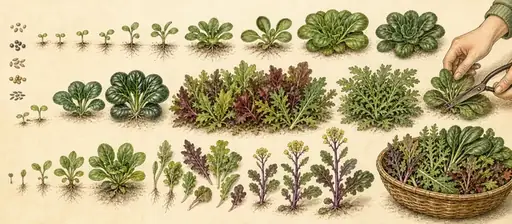
Seed to Harvest Growing Guide
How to grow specialty greens
A practical guide to growing mâche, tatsoi, mesclun, edible chrysanthemum, and Hon Tsai Tai—from shallow sowing and succession planning to tender harvests and problem diagnosis.
Match variety to seasonSow small successionsHarvest while tender Shop specialty greens →Start the guide ↓ Crop group: Diverse leafy greens SeasonMostly coolCheck each varietySow depth1/8–1/4 inchCover lightlyLightSun to part shadeShade helps in warmthSpacing2–8 inchesBaby leaf to full plantsHarvest25–60 daysDepends on crop and sizeBefore you begin
Grow a category, not a single crop.
Specialty greens differ in plant family, temperature preference, spacing, and harvest stage. Most excel in cool weather, but Hon Tsai Tai is commonly scheduled for mid- to late-summer sowing and cool fall development.
Best first decisionChoose a variety first, then follow its packet for season and final spacing. Use closer spacing only for baby-leaf harvests.Build your specialty-greens plan
Plan timing, bed space, seed quantity, and repeat harvests.
Small, frequent sowings maintain better quality than one large planting.
When to plantFind your local planting windowMatch each variety with suitable soil and air temperatures.Check planting timing →Lay out the greens bedPlan accessible short rowsReserve space for baby leaves, full rosettes, or branching shoots.Plan the bed →How much seedCalculate the seed you needEstimate seed from row length and intended harvest size.Calculate seed →Extend the harvestPlan staggered sowingsSchedule small batches 10–21 days apart while favorable weather lasts.Plan successions →Specialty greens at a glance
The path from seed to harvest
Select any milestone to jump directly to its full instructions.
01ChooseMatch the season02SowShallowly03ThinFor harvest size04GrowFast and even05ProtectScout weekly06HarvestWhile tenderStage 1–3
Sow shallowly, then thin for your harvest style
Consistent moisture at the soil surface is essential because these small seeds are planted close to the surface.
01Choose crop and season
Grow mâche, tatsoi, and many mesclun components in cool spring or fall conditions. Schedule Hon Tsai Tai for mid- to late summer where fall cooling follows.
- Use sun in cool weather.
- Provide afternoon shade as temperatures rise.
- Prepare fertile, well-drained soil.
Sow evenly
Sow 1/8–1/4 inch deep according to the packet. Press the seedbed gently and keep it evenly moist until emergence.
Mark mixed rows clearlyDifferent species emerge and mature at different rates; labels keep thinning and harvest decisions accurate. 03Thin for the goal
Use roughly 2-inch spacing for repeated baby-leaf cutting and 4–8 inches for mature rosettes or branching plants, following the variety directions.
- Snip extras rather than pulling crowded roots.
- Harvest clean thinnings.
- Install insect netting before pests arrive.
Stage 4
Keep growth quick, clean, and tender
Even moisture and frequent observation matter more than heavy feeding.
WWater evenly
Keep the upper soil consistently moist without saturation; water at soil level to keep harvestable leaves cleaner.
TModerate heat
Use light shade cloth and mulch when warm weather threatens premature flowering or tough texture.
NFeed lightly
Use compost and follow a soil test. Excess nitrogen can create overly soft, pest-prone growth.
RResow regularly
Start another short row every 10–21 days while the variety’s preferred weather continues.
Growth checkpoints
Let the intended harvest guide each decision.
Mixed crops will not all reach the same size on the same day.
3–14 daysEmergence
Seedlings appear across a moist, lightly covered row.
True leavesFinal spacing
Plants have room for baby-leaf cutting or mature heads.
3–5 inchesBaby-leaf stage
Leaves are tender, colorful, and mild enough for salad.
Full formBunch or shoot stage
Rosettes, side shoots, or unopened flower buds reach their variety’s harvest cue.
Stage 5
Diagnose specialty-greens problems early
Open a symptom to compare what you see with the next practical check.
PestFlea beetlesTiny round holes across young leavesCover immediately after sowing with insect netting, seal the edges, control host weeds, and rotate susceptible brassica greens.
PestSlugs and snailsRagged holes and silvery trailsHandpick after dusk, remove damp hiding places, water early, and use an appropriate iron-phosphate bait if needed.
PestAphidsCurled growth and sticky insect clustersDislodge with water, conserve beneficial insects, control tending ants, and discard badly distorted leaves.
Growing stressBolting and tough leavesElongated stems, buds, and stronger flavorHarvest promptly, plant in the right season, maintain moisture, use afternoon shade, and replace spent rows with a suitable succession.
Stage 6
Harvest each green at its best stage
Pick in the cool morning and move tender leaves out of sun immediately.
- Baby leaf: Cut 1–2 inches above soil when leaves are 3–5 inches tall, leaving the center for possible regrowth.
- Rosettes: Cut whole mâche or tatsoi plants at the base, or remove clean outer leaves individually.
- Shoots: Harvest Hon Tsai Tai stems and buds before yellow flowers fully open; pinch garland chrysanthemum for side shoots.
Choose with purpose
Match the green to your plate and season
These are the five varieties currently listed in Urban Farmer’s Specialty Greens collection.
Cold-tolerant rosetteVit MâcheTender spoon-shaped leaves with mild flavor for cool-season salads.Shop Vit →Glossy Asian greenOrganic TatsoiCompact dark rosettes with mild mustard flavor for salads and cooking.Shop Tatsoi →Colorful salad mixMesclun BlendLettuces, endive, and radicchio combine color, crunch, and zest.Shop Mesclun →Aromatic branching greenGarland Serrate LeafEdible chrysanthemum foliage with serrated leaves and productive side shoots.Shop Garland Serrate →Purple stems and budsHon Tsai TaiTender purple shoots and petite florets for salads or stir-fries.Shop Hon Tsai Tai →Questions gardeners ask
Specialty greens growing FAQ
Quick answers for timing, sowing, spacing, succession, containers, bolting, and harvest.
What are specialty greens?They are a diverse group of leafy crops grown for distinctive flavor, color, texture, rosettes, tender stems, or flower buds.
When should specialty greens be planted?Most prefer spring or fall, but timing varies. Hon Tsai Tai is commonly sown in mid- to late summer for fall development; always check the packet.
How deep should the seed be planted?Most are sown about 1/8–1/4 inch deep. Cover lightly and keep the surface moist.
How far apart should plants be?Use about 2 inches for baby leaves and 4–8 inches for full plants, adjusted to the variety directions.
Can specialty greens grow in containers?Yes. Use a clean container at least 6–8 inches deep with drainage and fresh potting mix.
How often should successions be sown?Sow short rows every 10–21 days while suitable weather lasts, adjusting for growth rate and household use.
Do specialty greens need full sun?They grow well in full sun during cool weather; partial afternoon shade can extend tenderness as temperatures rise.
Why are the greens bolting?Heat, long days, maturity, and stress can trigger flowering. Harvest promptly and schedule the variety in its preferred season.
Can mixed greens be cut and come again?Many can regrow if cut above the growing point, but species vary. Avoid cutting crowns too low.
How are baby greens harvested?Cut clean, dry leaves when roughly 3–5 inches tall, usually 1–2 inches above soil.
How should harvested greens be stored?Cool them quickly, keep them dry, and refrigerate loosely bagged. Wash shortly before use.
Can row cover stay on until harvest?Light insect netting can remain if supported above foliage, sealed at the edges, and ventilated enough for the crop and weather.
Ready to plant?
Build a specialty-greens harvest.
Choose mild rosettes, colorful salad mixtures, aromatic leaves, or tender purple shoots.
Shop all specialty greens →



Questions & discussion