
How to grow tomatillos from seed
Seed to Harvest Growing Guide How to grow tomatillos from seed Start sturdy transplants, grow at least two plants for cross-pollination, support the sprawling branches, and harvest firm fruit when it fills the papery husk. Start indoors 6–8 weeks earlyPlant at least two for fruit setHarvest firm.
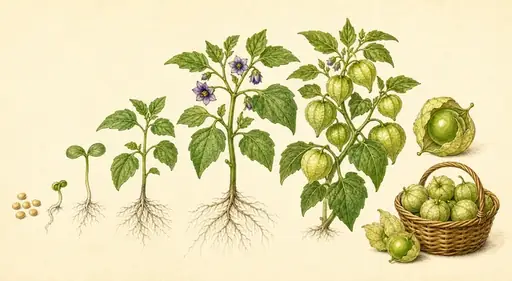
Seed to Harvest Growing Guide
How to grow tomatillos from seed
Start sturdy transplants, grow at least two plants for cross-pollination, support the sprawling branches, and harvest firm fruit when it fills the papery husk.
Start indoors 6–8 weeks earlyPlant at least two for fruit setHarvest firm when husks fill Shop tomatillo seed →Start the guide ↓ Crop family: Solanaceae SeasonWarm seasonFrost tenderSeed depth1/4 inchWarm indoor mixSunFull sun6–8+ hoursSpacing24–36 inchesPlants spread widelyHarvest60–75 daysUsually from transplantBefore you begin
One healthy tomatillo plant can flower heavily and still produce empty husks.
Tomatillos are husk-forming relatives of tomatoes, but most are strongly self-incompatible. For dependable fruit, grow at least two separate plants raised from seed so bees can move compatible pollen between flowers.
The essential ruleTwo stems from the same root system or two cuttings of one clone do not solve the pollination problem. Plant two or more genetically distinct seedlings within pollinator range.Build your tomatillo growing plan
Time warm-weather planting, reserve room for two plants, and estimate the seed you need.
When to plant tomatillosFind your local planting windowEnter your ZIP code to connect indoor sowing and transplanting with local frost timing.Check tomatillo timing →Lay out the plantingReserve sun for a pollinating pairPlace two or more plants close enough for bees while preserving airflow and harvest access.Plan the tomatillo bed →How much seedCalculate extra seedlingsSow enough to select at least two vigorous, genetically distinct plants plus a backup.Calculate tomatillo seed →Plan the harvestWork back from ripe husksUse the transplant-to-harvest range and local first frost to estimate harvest timing.Plan tomatillo harvest →Tomatillos at a glance
The path from seed to filled husk
01ChooseGreen or purple02Sow6–8 weeks early03PlantTwo after frost04GrowWater and support05PollinateProtect bees06HarvestFilled huskStage 1–3
Start warm, transplant after frost, and never plant only one
Tomatillos establish much like tomatoes but grow faster and spread wider. Stocky, flower-free transplants recover most quickly.
01Choose fruit color, size, and maturity
Green tomatillos are the classic tart choice for salsa verde; purple types develop their richest color in strong sun. Compare days to maturity and plant habit before fruit size.
02Sow indoors 6–8 weeks before planting
Sow about 1/4 inch deep in sterile mix. Keep germination near 75–80°F, then provide strong light for 14–16 hours and grow seedlings around 65–70°F.
Transplant targetA stocky 6–10 inch plant with 5–7 leaves, developed roots, and no open flowers or fruit. 03Harden and transplant a pair
Plant after frost danger has passed and soil is above about 60°F. Harden for 7–10 days, then space plants 24–36 inches apart in rows about 3 feet apart.
- Set leggy plants slightly deeper.
- Place at least two seedlings where bees can visit both.
- Install cages or stakes immediately.
- Water deeply after planting.
Stage 4
Support the vigorous branches and keep growth steady
Tomatillos are productive and moderately drought tolerant, but consistent care improves flowering, fruit fill, and harvest access.
WWater
Apply about 1–2 inches weekly, adjusted for rain, heat, soil, and containers. Water deeply without keeping roots saturated.
FFeed
Use a soil test. Excess nitrogen produces a large leafy plant while delaying flower set and fruit maturity.
SSupport
Cage or stake spreading branches to improve airflow, keep fruit clean, and stop stems rooting into neighboring beds.
MMulch
Mulch after soil warms to conserve moisture, suppress weeds, reduce soil splash, and cushion fruit that drops.
Growth checkpoints
Know what to watch for.
5–7 leavesReady to harden
Stocky plants with developed roots adapt better than flowering or root-bound transplants.
Rapid branchingSecure support
Guide stems into cages before the plant sprawls or roots into neighboring beds.
Flowers openingProtect pollinators
Confirm two plants are flowering together and avoid excluding bees with covers.
Husk expandedCheck fruit
Feel for firm fruit filling the wrapper; do not wait for every husk to split.
Stage 5
Diagnose tomatillo problems early
PestAphidsCurled leaves, sticky honeydew, and insects beneath new growthDislodge light colonies with water, preserve beneficial insects, control weeds, and use insecticidal soap according to its label if needed. Aphids may spread viruses.
PestFlea beetlesTiny round holes weaken seedlings and young transplantsProtect young plants with insect netting or row cover, control solanaceous weeds, rotate crops, and remove covers when flowering begins so pollinators can enter.
DiseasePowdery mildewWhite powdery patches spread first across older leavesProvide spacing and support for airflow, keep foliage dry late in the day, remove heavily affected leaves, and apply any labeled treatment early.
PollinationEmpty husksFlowers form wrappers, but fruit stays tiny or fails to fillConfirm at least two genetically distinct seedlings are flowering together. Protect bees, remove covers, maintain moisture, and recognize that extreme heat or drought can interrupt fertilization.
Stage 6
Harvest when firm fruit fills the papery husk
Green tomatillos have their brightest tart flavor when full-sized and firm. Fruit allowed to turn yellow or soft becomes sweeter and usually less characteristic for salsa verde.
- Feel: Fruit should press firmly against or fill the husk.
- Color: Harvest green types before yellowing; allow purple types to color.
- Collect: Pick fallen mature fruit and remove extras to reduce volunteers.
- Clean: Remove the husk and wash away the sticky coating before use.
Choose with purpose
Grow the tomatillo available from Urban Farmer
The current Shopify collection contains one verified tomatillo variety, so this guide links only to that live product.
Early green tomatilloVerdeA flavorful green tomatillo selected for earlier, larger fruit and classic salsa verde, roasting, sauces, and preserving.Shop Verde →Questions gardeners ask
Growing tomatillos from seed FAQ
Do I really need two tomatillo plants?Yes. Most tomatillos are strongly self-incompatible and set best when bees move pollen between two genetically distinct plants.
Can two seedlings of the same variety pollinate each other?Usually yes, provided they are separate seedlings grown from seed. Two cuttings from one clone are genetically identical.
When should tomatillo seed be started indoors?Start seed about 6–8 weeks before the safe outdoor transplant date.
When can tomatillos go outside?Transplant after frost danger has passed and soil is above about 60°F. Harden plants for 7–10 days first.
Can tomatillos be direct sown?Yes in warm, sufficiently long seasons. Sow about 1/2 inch deep after conditions warm, though transplants provide an earlier harvest.
Why are my tomatillo husks empty?The most common cause is inadequate cross-pollination. Poor bee activity, non-overlapping bloom, extreme heat, or drought can also reduce fruit fill.
Do tomatillos need cages?Support keeps 3–4 foot branches manageable, improves airflow, keeps fruit clean, and simplifies harvest.
Can tomatillos grow in containers?Yes. Use a large draining container, support the plant, water consistently, and grow two seed-grown plants close enough for pollination.
Are tomatillos green tomatoes?No. Tomatillos form papery husks and have firmer, tarter fruit with different pollination requirements.
When is a tomatillo ripe?Harvest when firm fruit fills the husk. Green fruit turning yellow or soft is generally overripe for classic tart flavor.
Should fallen tomatillos be collected?Yes. Mature fallen fruit may finish ripening, and collecting extras limits volunteer plants next season.
What is the sticky coating under the husk?It is natural. Remove the husk and rinse or rub the fruit under water before use.
How should tomatillos be stored?Keep dry fruit in its husk in a ventilated paper bag in the refrigerator for roughly two to three weeks.
Can tomatillos be frozen?Yes. Remove husks, wash and dry the fruit, freeze in one layer, then transfer to freezer bags.
Ready to plant?
Start a pollinating pair of Verde tomatillos.
Grow at least two separate seedlings, give them full sun and support, and harvest firm green fruit for salsa, roasting, sauces, and preserving.
Shop Verde tomatillo seed →



Questions & discussion