

Ta strona jest wyświetlana w oryginalnym języku. Tłumaczenie nie jest jeszcze dostępne.
Selekcja Seedsun
Duranta erecta
SKU: DURA-EREC-01G
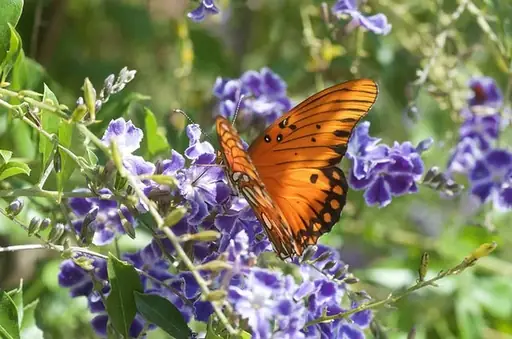
Golden dewdrop, Duranta erecta, is a member of the verbena family grown across the warm world for two ornaments the shrub carries at once: loose, drooping sprays of soft lilac-blue flowers, each with a darker eye, and long chains of round, glossy amber berries that hang like strings of wet gold..
Poproś o indywidualną wycenę
Ceny, rozmiary opakowań i dostępność zostaną potwierdzone w Państwa indywidualnej wycenie. Wysłanie zapytania nie oznacza złożenia opłaconego zamówienia.
Zapytaj o przydatność, wymagania dotyczące siewu i uprawy.
Potwierdź opcje dostawy i wymagane dokumenty w swojej ofercie.
O tej odmianie
Golden dewdrop, Duranta erecta, is a member of the verbena family grown across the warm world for two ornaments the shrub carries at once: loose, drooping sprays of soft lilac-blue flowers, each with a darker eye, and long chains of round, glossy amber berries that hang like strings of wet gold. The common name catches that second gift exactly, while older names, pigeon berry and skyflower, catch the first. Native from Mexico and the Caribbean through much of tropical South America, the shrub has been carried into gardens throughout the subtropics, where the plant flowers and fruits nearly year round.
Left alone the shrub builds a fountain of arching, sometimes weeping branches six to ten feet tall, often armed with slim axillary spines, and takes readily to shaping as a loose informal hedge, a screen, or a single standard clipped into a small flowering tree. The great charm is that flower and fruit appear together, green berries ripening to gold while fresh blue sprays open above them, so the shrub is rarely without color. Bees, butterflies, and hummingbirds work the flowers through the day, so set the plant where that traffic can be enjoyed, against a warm wall, at the back of a mixed border, or wherever a long season of blue is wanted.
Golden dewdrop is a creature of heat. Reliably evergreen only in zones 9 and 10, the shrub behaves as a die-back plant at the cold edge of zone 8, where hard freezes cut the top down but established roots usually push back in spring to flower and fruit the same season. Plant in a sheltered, sunny spot with good soil, mulch the crown heavily for winter, and give full sun for the heaviest bloom. Fast-growing and forgiving of most soils so long as drainage is decent, the shrub asks little beyond warmth and a yearly pruning to keep the fountain in bounds.
Behind the ornamental face sits a plant with a double reputation. Across West Africa, and eastern Nigeria in particular, the leaves and fruit have long been used in traditional medicine against malaria, intestinal worms, and abscesses, and the fruit juice has served as a folk mosquito repellent. Yet the same berries and foliage are genuinely poisonous, holding saponins and other compounds that have killed children, dogs, and cats who ate the fruit. Handsome as the shrub is, keep the plant well away from grazing pets and curious toddlers, and treat the golden berries as strictly ornamental.
Więcej do odkrycia



Pytania i dyskusja