

The Seedsun selection
Aesculus pavia
SKU: AESC-PAVI-01G
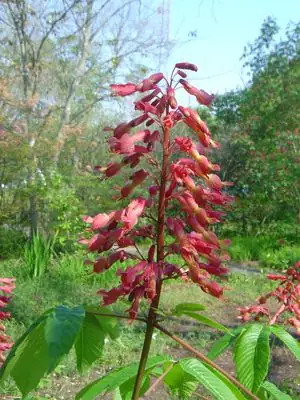
The red buckeye is the South's hummingbird herald, a clump-forming, round-topped deciduous shrub or small tree whose lustrous, palmately compound leaves break very early, often before the last frosts, and whose six-inch panicles of tubular scarlet-red flowers open in spring just as the.
Ask for a tailored quote
Pricing, pack sizes and availability are confirmed in your personal quotation. Sending an enquiry does not place a paid order.
Ask about suitability, sowing and growing requirements.
Confirm delivery options and required documents in your quote.
About this variety
The red buckeye is the South's hummingbird herald, a clump-forming, round-topped deciduous shrub or small tree whose lustrous, palmately compound leaves break very early, often before the last frosts, and whose six-inch panicles of tubular scarlet-red flowers open in spring just as the ruby-throated hummingbirds return north. The bright bloom, unusual among the buckeyes, draws hummingbirds and bees in numbers and gives the plant a long place in the affection of native-plant gardeners across the southern United States.
Native peoples knew the buckeye well, though not as food without effort: every part is poisonous, rich in the saponin aescin and the glycoside aesculin, and the bright seeds are the most dangerous. The same saponins made the buckeye useful, the crushed seeds and branches tossed into still pools to stupefy fish, which rose to the surface to be gathered, while leached and roasted nuts could be eaten and the lather of the seeds served as a soap. Handsome as the seeds are, treat the red buckeye as ornamental, and keep the poisonous parts away from children and livestock.
By late summer the red buckeye often drops the leaves early, so site where a summer gap reads as seasonal rather than sad, among other shrubs or at a woodland edge that fills in around the bare frame. Plant in sun to part shade in moist, well-drained soil, and enjoy the early flowers as one of the first nectar sources of the southern spring. Lovely with native azaleas and dogwoods that bloom in the same season.
More to discover



Questions & discussion