

The Seedsun selection
Aronia arbutifolia 'Brilliantissima'
SKU: ARON-ARBU-BRIL-01G
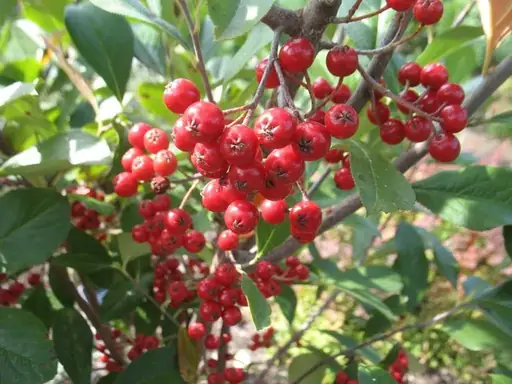
Aronia arbutifolia has grown in the wet woods and pocosins of the eastern United States for a very long time, largely unbothered by the horticultural world's attention. 'Brilliantissima' changed that. Selected for foliage with a deeper gloss and berries of a more saturated, almost lacquered red.
Ask for a tailored quote
Pricing, pack sizes and availability are confirmed in your personal quotation. Sending an enquiry does not place a paid order.
Ask about suitability, sowing and growing requirements.
Confirm delivery options and required documents in your quote.
About this variety
Aronia arbutifolia has grown in the wet woods and pocosins of the eastern United States for a very long time, largely unbothered by the horticultural world's attention. 'Brilliantissima' changed that. Selected for foliage with a deeper gloss and berries of a more saturated, almost lacquered red than the straight species, this is the form that finally made gardeners look twice at a native shrub long overlooked despite centuries of quiet usefulness.
The season opens in mid spring with clusters of small white flowers, delicate and lace-like, and welcome to native bees at a moment when little else blooms. By midsummer the berries swell and deepen, and by early autumn ripen to a red so intense as to look almost artificial against the leaves. The foliage turns at the same time: the fall color of 'Brilliantissima' is among the more reliable and spectacular events of the native shrub calendar, a deep, burnished crimson that holds for weeks and earns the cultivar name outright.
The berries persist well into winter, by which point the birds have usually found them; cedar waxwings in particular descend in flocks, either a delight or a caveat depending on attachment to the fruit display. Both views are fair.
Aronia arbutifolia tolerates wet soils, adapts to dry ones once established, and asks very little in return for a great deal of seasonal interest. Native, four-season, wildlife-supporting, and genuinely beautiful, a combination still rarer than it should be. The berries are edible, very astringent fresh but good cooked, and exceptionally high in antioxidants.
More to discover



Questions & discussion