

The Seedsun selection
Callistemon viminalis
SKU: CALL-VIMI-01G
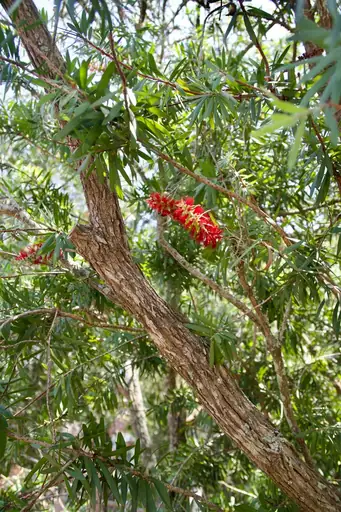
The weeping bottlebrush is the one most Americans have already met without knowing the name, a small tree of crimson brushes and long hanging branchlets planted through Florida and the Gulf Coast until a hard freeze thins the ranks and somebody plants them again. In the wild Callistemon viminalis.
Ask for a tailored quote
Pricing, pack sizes and availability are confirmed in your personal quotation. Sending an enquiry does not place a paid order.
Ask about suitability, sowing and growing requirements.
Confirm delivery options and required documents in your quote.
About this variety
The weeping bottlebrush is the one most Americans have already met without knowing the name, a small tree of crimson brushes and long hanging branchlets planted through Florida and the Gulf Coast until a hard freeze thins the ranks and somebody plants them again. In the wild Callistemon viminalis runs down the eastern edge of Australia from Cape York into northeastern New South Wales, and almost always along water: creek banks, seasonal channels, the damp sand beside a watercourse. That habitat explains the two things that set this species apart from the rest of the genus. The branches hang rather than stand, giving the whole tree a fountain habit that carries even out of flower, and the roots will tolerate heavier ground and less than perfect drainage, which almost no other bottlebrush will.
The name is unusually literal. Callistemon is Greek praise, kallos for beauty and stemon for a thread, because the show is stamens rather than petals; the true petals are small, round, greenish, and drop away almost unnoticed. Viminalis comes from the Latin vimen, a pliant shoot, the same root behind the withies a basket maker cuts, and anyone who has watched these branchlets move in a summer storm will grant the point. Under the newer taxonomy the plant is Melaleuca viminalis, since molecular work placed the bottlebrushes inside the paperbarks; the nursery trade and the Australian Plant Census have largely kept Callistemon, and so do we, while noting the argument honestly.
This species carries a piece of history whether or not the botany ever gets settled. Decades ago the growers here selected and fixed a single cold-tough bottlebrush clone and introduced the plant to the American trade as Callistemon 'Woodlander's Hardy'. Nobody wrote down the parentage, and to this day the clone is sold variously as a citrinus, as a viminalis, and, under the new names, as Melaleuca viminalis 'Woodlander's Hardy'. That selection carried the genus a full hardiness zone north, from the Gulf Coast into the piedmont, and now grows coast to coast. The straight species offered here is the wild plant behind at least one half of that argument, which makes growing the two side by side a genuinely interesting exercise for anyone who cares where a garden plant came from.
Give the tree full sun and room; fifteen to twenty-five feet in time in a mild climate, less where winter cuts back the growth, and the fountain habit wants space rather than a tight corner. Crimson brushes come through spring and summer on new wood, and the nectar pulls hummingbirds and carpenter bees the way the same flowers pull honeyeaters and lorikeets at home. One honest caution, and this one matters: the straight species is a zone 9 to 11 plant, tender where 'Woodlander's Hardy' is tough. Every few winters a hard freeze reminds the Deep South exactly where that line sits. Plant with that knowledge in the Lowcountry and along the Gulf, keep the tree in a container further north, and if what you want is the look with the hardiness, buy the clone we made instead.
More to discover



Questions & discussion