

The Seedsun selection
Clinopodium georgianum
SKU: CLIN-GEOR-01G
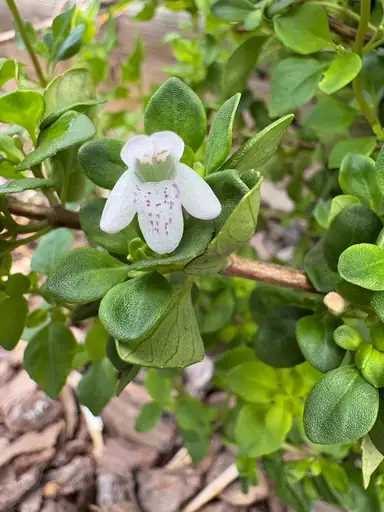
Clinopodium georgianum is a low, aromatic shrublet of the mint family, grown for strongly scented foliage and clouds of soft pinkish-lavender flowers from late summer into fall, peaking around September when much of the garden is winding down. Where the scarlet calamint is a hummingbird firework,.
Ask for a tailored quote
Pricing, pack sizes and availability are confirmed in your personal quotation. Sending an enquiry does not place a paid order.
Ask about suitability, sowing and growing requirements.
Confirm delivery options and required documents in your quote.
About this variety
Clinopodium georgianum is a low, aromatic shrublet of the mint family, grown for strongly scented foliage and clouds of soft pinkish-lavender flowers from late summer into fall, peaking around September when much of the garden is winding down. Where the scarlet calamint is a hummingbird firework, Georgia savory is the quiet one: smaller flowers, softer color, and a season that arrives when the bees have run short of options. Crushed, the leaves smell frankly minty, with a sweet edge that one nurseryman has compared to expensive peppermint candy.
The name has been unsettled for a century and is unsettled still. Roland McMillan Harper described the plant as Clinopodium georgianum, for the state, and that is the name the Flora of the Southeastern United States and NatureServe both use. Kew and ITIS now sink the species into Clinopodium carolinianum, a Miller name from 1768 that has priority if the two are one plant, and North Carolina State Extension has followed. We keep georgianum, because that is the name the regional flora uses and the name our customers search, and we mention the argument because a rare-plant gardener would rather know. The three common names tell the same story from the other end: savory, basil and calamint all attach to this one shrublet precisely because the genus has been shuffled between Satureja, Calamintha and Clinopodium for two hundred years.
Georgia savory belongs to longleaf pine sandhills and dry, thin-soiled woodlands from the Carolinas through Georgia and west along the Gulf, and turns up on granite outcrop margins in the Georgia Piedmont as well. Globally the species is secure, but the northern edge is another matter: North Carolina lists the plant State Endangered, and the identified threat is fire suppression, the same quiet loss that has emptied so much of the longleaf understory. Growing a nursery-propagated plant is a small thing, but it keeps the species in gardens while the fire question is worked out. Unlike most of the tribe, this southern native will take heavier soils as well as sand.
Site Georgia savory where the aromatic foliage can be brushed in passing: along a path, at the front of a sunny border, in a rock or gravel garden, or drifted through a naturalized native planting. Full sun to part shade, well-drained ground, tough and drought-tolerant once established, and easily kept neat with a shear after flowering. Pair with little bluestem, asters and goldenrod, which share both the lean ground and the late season, and let the whole planting come to a head in September.
Learn more about the Clinopodium genus with our guide.
More to discover



Questions & discussion