

The Seedsun selection
Clytostoma callistegioides
SKU: CLYT-CALL-01G
Clytostoma callistegioides is one of those vines that feels as though the plant wandered out of an old botanical expedition: vigorous, evergreen, and brimming with the sort of charm collectors once crossed oceans to find. A close relative of our native crossvine (Bignonia capreolata), this South.
Ask for a tailored quote
Pricing, pack sizes and availability are confirmed in your personal quotation. Sending an enquiry does not place a paid order.
Ask about suitability, sowing and growing requirements.
Confirm delivery options and required documents in your quote.
About this variety
Clytostoma callistegioides is one of those vines that feels as though the plant wandered out of an old botanical expedition: vigorous, evergreen, and brimming with the sort of charm collectors once crossed oceans to find. A close relative of our native crossvine (Bignonia capreolata), this South American cousin shares the same athletic climbing spirit but dresses in glossier, more refined foliage and carries larger flowers.
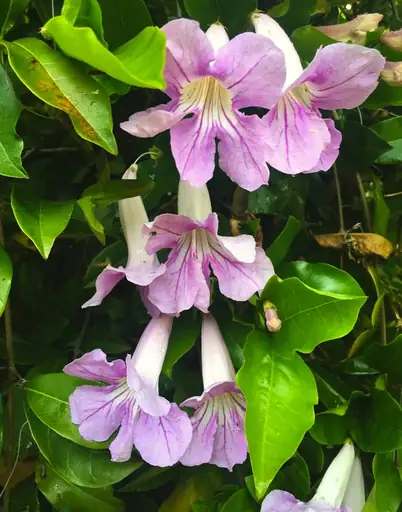
Those flowers are long, fluted trumpets in a soft violet-purple, some reaching five inches, opening in spring like a quiet fanfare over the vine. Early plant explorers in Argentina and southern Brazil noted the habit of draping over thickets and climbing the warm, wooded edges, where the lavender bloom lit up the understory after summer rains. The genus Clytostoma (now often folded into Bignonia) enjoyed a moment of admiration among nineteenth-century horticulturists, who prized exotic trumpet vines for bold flowers and an easy disposition.
Climbing by tendrils, this violet trumpet vine is a natural for an arbor, a fence, a pergola, or the sun-washed corner of a garden wall. In warm climates the plant is remarkably carefree, evergreen and steady and generous with bloom, and the spring flowers draw butterflies and hummingbirds. In a prolonged dry spell a little extra water is welcome, a nod to those rain-nourished subtropical origins.
Hardy in Zone 9 and worth a thoughtful trial in sheltered pockets of Zone 8, Clytostoma callistegioides rewards gardeners who enjoy plants with a sense of place and history: handsome, free-flowering, and just unusual enough to spark curiosity, exactly the kind of plant has always championed.
Photo courtesy of Yasuko and Suzanne.
More to discover



Questions & discussion