

The Seedsun selection
Hamlin Sweet Orange
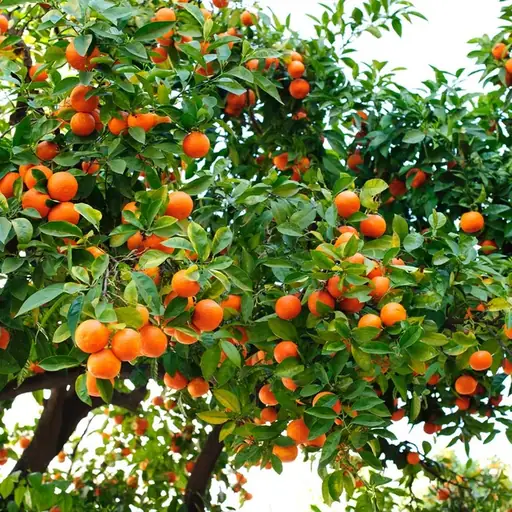
3-Gallon - Pick Up OnlyThe Hamlin is the orange that starts the season. Among the earliest of the sweet oranges to ripen, the tree hangs the fruit gold by late fall and holds through midwinter, well ahead of the navels and Valencias. The oranges are medium-sized and smooth-skinned, nearly seedless,.
Ask for a tailored quote
Pricing, pack sizes and availability are confirmed in your personal quotation. Sending an enquiry does not place a paid order.
Ask about suitability, sowing and growing requirements.
Confirm delivery options and required documents in your quote.
About this variety
3-Gallon - Pick Up Only
The Hamlin is the orange that starts the season. Among the earliest of the sweet oranges to ripen, the tree hangs the fruit gold by late fall and holds through midwinter, well ahead of the navels and Valencias. The oranges are medium-sized and smooth-skinned, nearly seedless, and light on the segment-eating pleasures of a navel, because the real gift is the juice: pale, abundant, and sweet, the classic breakfast-glass orange that helped make Florida famous.
The variety began, as so many great fruits do, as a single lucky seedling. In 1879 a seedling sweet orange came up in a grove near DeLand, Florida, on land later worked by Arthur George Hamlin, whose name the tree now carries. The Hamlin might have stayed a local curiosity but for the calamity of the Great Freeze of 1894 and 1895, which killed citrus across the state; the trees proved unusually cold-hardy and quick to bear, and growers rebuilding their groves turned to them in numbers. Out of that hard winter the Hamlin rose to become the leading early-season juice orange of Florida, and remains so today.
Botanically the sweet orange, Citrus sinensis, belongs to the Rutaceae, the rue and citrus family, and is an ancient hybrid of pomelo and mandarin carried west along old trade routes centuries ago. The waxy white blossoms open in spring with the heavy, honeyed perfume that gives orange groves their reputation, drawing bees before the fruit ever sets. Glossy evergreen leaves clothe the tree year round, so even out of season the Hamlin earns a place.
Grow the Hamlin in full sun and sharp, well-drained soil, ideally in the warm ground of zones 9 through 11, where the tree makes a productive dooryard orange fifteen to twenty feet tall. Among sweet oranges the Hamlin counts as one of the more cold-tolerant, though a hard freeze will still do damage, so gardeners at the cold edge should site the tree in a warm, sheltered pocket or grow a young plant in a large container that can shelter under cover on the worst nights. Set near a patio or path, the tree pays back in spring fragrance and winter fruit alike.
More to discover



Questions & discussion