

The Seedsun selection
Hibiscus grandiflorus
SKU: HIBI-GRAN-01G
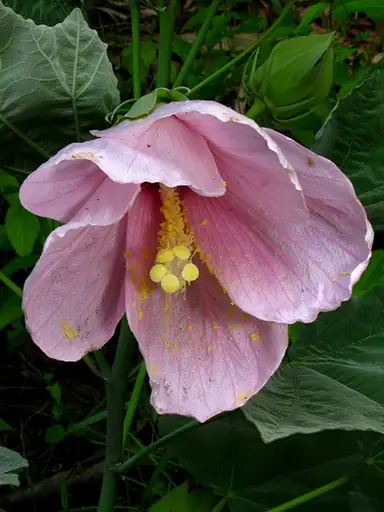
Hibiscus grandiflorus, the swamp rose mallow, is a magnificent native perennial of the southeastern United States, grown for enormous soft-pink blooms and broad, velvety, gray-green leaves. Rising to eight or ten feet on stout stems, the plant brings a lush, almost tropical presence to the summer.
Ask for a tailored quote
Pricing, pack sizes and availability are confirmed in your personal quotation. Sending an enquiry does not place a paid order.
Ask about suitability, sowing and growing requirements.
Confirm delivery options and required documents in your quote.
About this variety
Hibiscus grandiflorus, the swamp rose mallow, is a magnificent native perennial of the southeastern United States, grown for enormous soft-pink blooms and broad, velvety, gray-green leaves. Rising to eight or ten feet on stout stems, the plant brings a lush, almost tropical presence to the summer garden, at home in a wetland but just as striking in an ordinary bed or beside a pond.
The flowers are the reason to grow the plant, and they carry a secret. Each bloom spans an impressive six to ten inches across, among the largest of any flower native to North America, pale to deep pink with a crimson eye and a column of yellow stamens at the center. And they keep unusual hours: the great blooms open in the evening and glow through the night, softly fragrant and luminous in moonlight, before fading the next day as fresh buds take over. Night-flying moths work the pale flowers in the dark, and hummingbirds and butterflies take the day shift.
The foliage is nearly as distinctive. Large, palmately lobed, maple-like leaves are cloaked in fine silvery hairs that give the whole plant a soft, gray-green, velvety look and lend one of the common names, velvet mallow. The species name grandiflorus means large-flowered, an honest label, and the plant belongs to the Malvaceae, the mallow family, alongside the other native rose mallows, hollyhocks, and cotton. Native range runs from southeastern Texas east to Florida and south to western Cuba, always in wet, low ground.
In the garden, use swamp rose mallow at the back of a large sunny border, at a pond or stream edge, in a rain garden, or wherever a bold vertical accent and evening bloom are wanted. Give full sun and moist to wet, fertile soil, and site the plant where the fragrant night flowers can be enjoyed after dark, near a patio, a path, or a window. Pair with other moisture-loving natives and late bloomers, allow room for the tall stems, and cut the frost-killed tops to the ground in late winter.
Photo courtesy of Alan Cressler
More to discover



Questions & discussion