

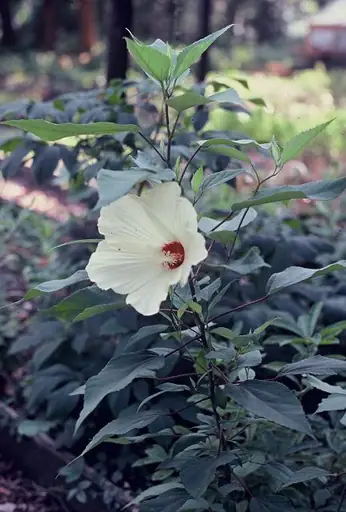
The Seedsun selection
Hibiscus moscheutos
SKU: HIBI-MOSC-01G
Hibiscus moscheutos, the rose mallow, is the hardiest of the perennial hibiscus and the tough, cold-proof parent behind most of the dinner-plate hibiscus sold today. The wild plant is a stout, clump-forming perennial of eastern marshes, rising to six or eight feet each summer and opening broad.
Ask for a tailored quote
Pricing, pack sizes and availability are confirmed in your personal quotation. Sending an enquiry does not place a paid order.
Ask about suitability, sowing and growing requirements.
Confirm delivery options and required documents in your quote.
About this variety
Hibiscus moscheutos, the rose mallow, is the hardiest of the perennial hibiscus and the tough, cold-proof parent behind most of the dinner-plate hibiscus sold today. The wild plant is a stout, clump-forming perennial of eastern marshes, rising to six or eight feet each summer and opening broad flowers to six inches and more, clean white or soft pink with a dramatic crimson eye at the center. For sheer size of bloom on a plant that shrugs off hard winters, little else compares.
The natural range is enormous, running through freshwater and brackish marshes across the eastern United States, from the Gulf Coast north into the lower Great Lakes and along the Atlantic seaboard, which explains the remarkable cold hardiness: rose mallow returns reliably from the roots into USDA zone 5 and even zone 4, far colder than any tropical hibiscus dares. The broad, ovate, sometimes shallowly lobed leaves are soft gray-green, pale and downy beneath, on strong upright stems.
A word on the names. Rose mallow is sometimes called marsh mallow, but the sweet and the old throat medicine of that name come from a different plant, the European Althaea officinalis, so the shared name is a coincidence of habitat rather than kinship, though both sit in the Malvaceae. What rose mallow does have is a devoted pollinator: the rose-mallow bee, a specialist that gathers pollen almost exclusively from these flowers, works the blooms alongside bumblebees and hummingbirds through the summer.
In the garden, use rose mallow at the back of a sunny border, in a rain garden, at a pond or stream edge, or anywhere a big, bold, native-hardy flower is wanted through the heat of summer. Give full sun and moist to wet, fertile soil, keep the roots from drying in high summer, and cut the frost-killed stems to the ground in late winter. The plant emerges late in spring, so mark the spot, and pair with other moisture-lovers and late bloomers that fill the early-season gap.
More to discover



Questions & discussion