

The Seedsun selection
Hydrangea arborescens ‘Annabelle’
SKU: HYDR-ARBO-ANNA-01G
'Annabelle' is a wild American shrub with a hometown. Around 1910 two sisters, Harriet and Amy Kirkpatrick, spotted an unusually full-flowered smooth hydrangea in the woods of Union County, Illinois, dug the plant, and grew it in their garden in the town of Anna. For half a century the shrub passed.
Ask for a tailored quote
Pricing, pack sizes and availability are confirmed in your personal quotation. Sending an enquiry does not place a paid order.
Ask about suitability, sowing and growing requirements.
Confirm delivery options and required documents in your quote.
About this variety
'Annabelle' is a wild American shrub with a hometown. Around 1910 two sisters, Harriet and Amy Kirkpatrick, spotted an unusually full-flowered smooth hydrangea in the woods of Union County, Illinois, dug the plant, and grew it in their garden in the town of Anna. For half a century the shrub passed hand to hand around southern Illinois as a nameless local treasure, until the University of Illinois plantsman Dr. Joseph C. McDaniel traced the trail back to Anna in the 1960s, selected the plant, and released it for sale in 1962. The name 'Annabelle' honors both the town and the Kirkpatrick belles who found the shrub: Anna plus belle.
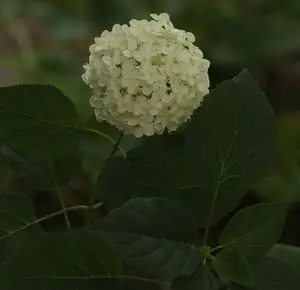
Behind the cultivar stands Hydrangea arborescens, the smooth hydrangea native to woodland slopes and streambanks across the eastern United States. 'Annabelle' is simply the most famous garden selection of that native, a deciduous shrub of three to five feet, wider than tall, that opens enormous rounded heads of creamy white sterile florets, snowballs the size of a dinner plate, in early summer. The heads age softly to green and can be cut for drying. Michael Dirr, the dean of American woody-plant horticulture, remembered McDaniel as a true plantsman and gentleman, and 'Annabelle' remains the shrub's quiet monument.
The species carries a deep ethnobotanical history under an older name, Seven-bark, so called for the way the stems peel in successive layers of color. Cherokee, Creek, and other southeastern peoples used the root and root bark as a diuretic and a remedy for kidney and bladder stones, a tradition later taken up by the Eclectic physicians of the nineteenth century, and the plant earned the folk name kidney-bush along the way. The leaves and buds, by contrast, contain cyanide-releasing compounds and are not for eating, a reminder that this is a plant with a serious past rather than a garnish.
In the garden, 'Annabelle' is generous and forgiving. Because the shrub flowers on new wood, a hard late-winter cut to a foot or so returns bigger blooms without any risk to the show, making this one of the most reliable hydrangeas for cold gardens where old-wood types freeze out. Give the plant good soil that stays moist, a little afternoon shade in hot regions, and room to spread into a low colony. The white heads light up a shady border, a foundation planting, or the edge of a woodland, and the strongest stems hold the flowers up after summer rain.
More to discover



Questions & discussion