

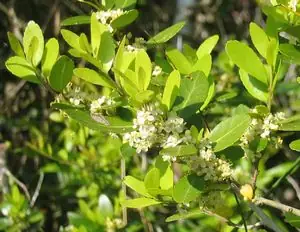
The Seedsun selection
Ilex vomitoria (male)
SKU: ILEX-VOMI-MALE-01G
Yaupon is the small-leaved evergreen holly of the southeastern United States, native along the coastal plain from Virginia to Texas and a member of the holly family, Aquifoliaceae. Salt tolerant, drought tolerant, and willing in sun or shade, Ilex vomitoria shears as cleanly as boxwood and has long.
Ask for a tailored quote
Pricing, pack sizes and availability are confirmed in your personal quotation. Sending an enquiry does not place a paid order.
Ask about suitability, sowing and growing requirements.
Confirm delivery options and required documents in your quote.
About this variety
Yaupon is the small-leaved evergreen holly of the southeastern United States, native along the coastal plain from Virginia to Texas and a member of the holly family, Aquifoliaceae. Salt tolerant, drought tolerant, and willing in sun or shade, Ilex vomitoria shears as cleanly as boxwood and has long been a Southern mainstay for hedges, screens, and topiary. This is the straight male form: no berries, since male hollies never fruit, but a dense, dependable evergreen and the pollen source that every berried female yaupon needs.
Yaupon is more than a well-mannered evergreen. Roasted yaupon leaves and twigs were the source of the caffeinated black drink that Indigenous peoples of the Southeast brewed for ceremony, council, and trade, and that coastal colonists later drank as a homegrown coffee or tea. Yaupon remains North America’s only caffeine-bearing native plant. The harsh species name, vomitoria, records a European misreading of the ritual purging that sometimes attended the drink, a charge the holly did not earn, since analysis of the leaves finds neither emetic nor toxic compounds; the common name, from the Catawban ya’pa, means simply small tree.
A male yaupon does quiet, essential work. Hollies are pollinated by bees and other insects rather than by wind, so the male has to stand where an insect can make the trip while both plants are in flower. Yaupon blooms March into May, and unlike winterberry it has no documented early and late races, so any male of the species flowering in the same spring should serve. One male will fruit six to eight females. The plant is no less useful standing alone, building the same fine-textured, close-sheared evergreen mass as any yaupon, and asking for nothing once established.
Plant a male yaupon wherever female yaupons are grown for fruit, within roughly forty to fifty feet so the bees can do their work; treat that as a planning figure rather than a fence, since isolated hollies have been recorded fruiting well anyway. Beyond pollination, use the dense evergreen habit for a sheared or informal hedge, a screen, a topiary, or clipped structure, in sun for the tightest growth or in shade where few evergreens hold up so well. Salt spray, drought, and hard pruning leave the plant unbothered, which is much of why yaupon remains a Southern workhorse.
More to discover



Questions & discussion