

The Seedsun selection
Indigofera incarnata
SKU: INDI-INCA-01G
The genus is the one that turned the Lowcountry blue. Indigofera gave colonial South Carolina its great cash crop alongside rice, the dye that Eliza Lucas Pinckney coaxed into commercial cultivation around Charleston in the 1740s and that filled the colony's coffers for a generation, made with.
Ask for a tailored quote
Pricing, pack sizes and availability are confirmed in your personal quotation. Sending an enquiry does not place a paid order.
Ask about suitability, sowing and growing requirements.
Confirm delivery options and required documents in your quote.
About this variety
The genus is the one that turned the Lowcountry blue. Indigofera gave colonial South Carolina its great cash crop alongside rice, the dye that Eliza Lucas Pinckney coaxed into commercial cultivation around Charleston in the 1740s and that filled the colony's coffers for a generation, made with skill drawn largely from enslaved West Africans. That fortune rested on a tropical cousin, Indigofera tinctoria, but the family trait runs through the whole genus, and the leaves of this one will give up the same blue if you care to steep them. We grow the plant for the flowers instead.
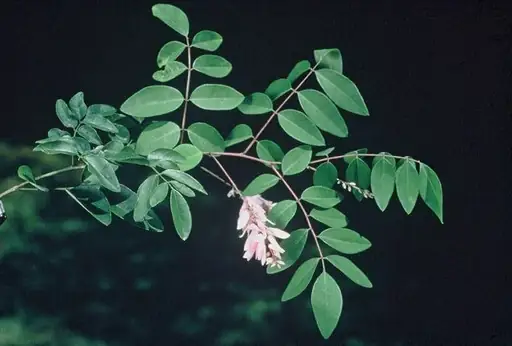
Indigofera incarnata, the Chinese indigo, comes from the streambanks and open woods of China and Japan, and earns the other common name, summer wisteria, honestly: through June and July the plant hangs narrow four to eight inch racemes of small pea flowers, twenty to forty to a spike, in a clear soft pink. The bloom opens on the current year's wood and carries on in scattered flushes toward September. (The white-flowered form is sold separately as 'Alba'; this is the rose-colored species, whatever a careless label might once have suggested.)
Low and traveling, a foot or two tall and three or four wide, the Chinese indigo suckers gently into a soft mound of fine pinnate foliage, and, being a legume, gives nitrogen back to the ground it sits in. Cut the plant hard in late winter and it returns to flower right through the heat, a quiet rose-pink drift in the stretch of summer when most shrubs have already called it a year.
Use Chinese indigo as a flowering groundcover on a bank or at the front of a border, where the low, spreading habit can knit awkward ground together and the long pink season fills the summer lull. Give sun, a little afternoon shade where summers run brutal, and decent drainage, and pair with grasses, late perennials, or other tough sun-lovers; bees and other pollinators work the flowers all season.
More to discover



Questions & discussion